cyprus wildfire — cyprus wildfire — Cyprus is entering the 2025 wildfire season under challenging conditions, marked by extreme heat and a lack of preparation. The average maximum temperature in Nicosia soared to 31°C as early as May and reached a staggering 38.9°C in July.
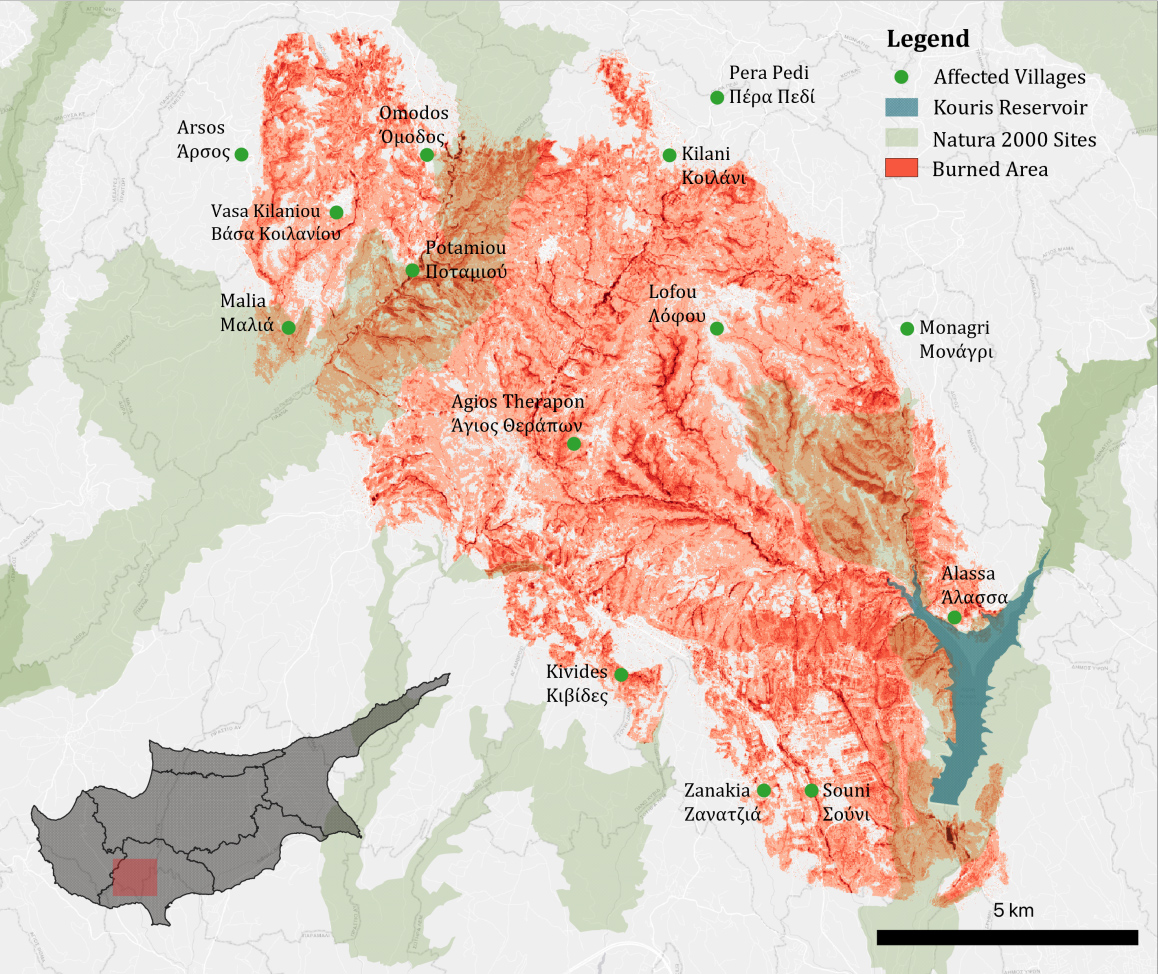
Photo: cyprus-mail.com
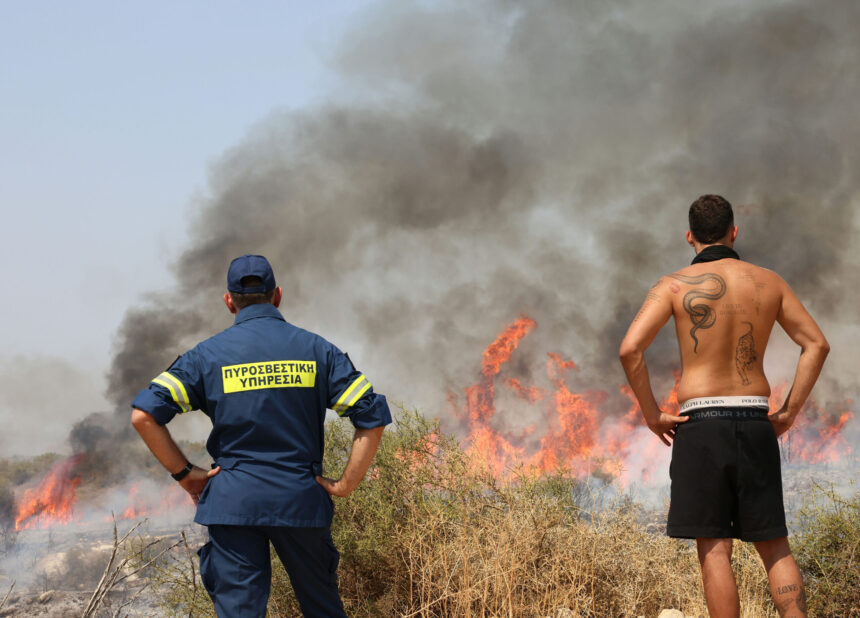
These soaring temperatures followed one of the driest winters the island has seen in recent years, creating an ideal environment for wildfires. On 23rd July, just before the peak of summer heat, a fire ignited in the village of Malia, Limassol, while a high fire alert was in effect. By the following morning, the flames spread rapidly across the Krasochoria, known for its vineyards.

Photo: cyprus-mail.com
After three days of relentless effort, the fire was extinguished, having consumed approximately 108km², almost the size of Nicosia itself. While government reports indicate that 124km² were affected, the extent of destruction is undeniable. In stark contrast, a previous significant fire in June 2021 had only burnt 55km² and destroyed 80 homes.
The 2025 blaze has proven to be catastrophic, demolishing around 200 homes and damaging at least 400 more across 13 villages, leading to the tragic loss of two lives. Furthermore, it devastated critical agricultural areas and Natura 2000 sites, which protect Europe’s most valuable ecosystems.
Understanding Cyprus’ climate helps to explain the increasing frequency and severity of wildfires. Historically, the Mediterranean climate, characterised by hot summers and dry winters, has been prone to such incidents. However, recent trends indicate that fires are becoming not just more frequent but also more intense due to climate change.
Despite the warnings from climate scientists, the island’s average temperatures from 2016 to 2024 were recorded as 1.35°C higher than historical averages from 1983 to 2010. Notably, July temperatures have seen the most significant increases, with current averages significantly surpassing those from just a decade ago.
In terms of rainfall, while long-term patterns indicate stability, 2025 has been exceptionally dry. By July, Nicosia had received only 106mm of precipitation, a stark contrast to the 198mm average from 2016 to 2024. This significant drop has left reservoirs severely depleted, with levels down to just 16% as of early August, compared to 34% the previous year.
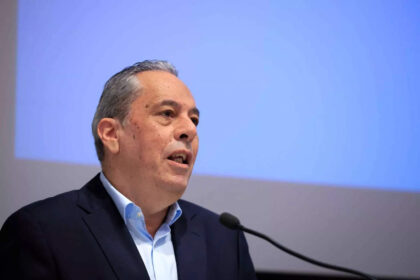
In light of these dire conditions, the response from the Cypriot government has come under scrutiny. Just two months prior to the fires, government spokesperson Konstantinos Letymbiotis claimed that they were fully prepared with enhanced resources and strategies. However, the public outcry following the recent fires highlights a perceived failure in the government’s emergency response.
The initial response to the Malia blaze was notably delayed, with firefighting helicopters not deployed promptly and local leaders having to resort to ringing church bells to alert residents to evacuate. This has led to widespread frustration among Cypriots, who are increasingly vocal about the inadequacies of the government’s disaster response protocols.
As the fires raged, many residents turned to social media for guidance, revealing a lack of clear communication from authorities. With the government frequently attributing fire causes to arson, the pressing question remains whether the current strategies are sufficient to address the rapid pace of climate change and its effects.
In the years leading up to the 2025 fires, Cyprus decreased its spending on fire protection services by 20%, the largest cut in the EU. In contrast, most EU nations have increased their expenditures in this area, raising concerns about the island’s preparedness for escalating wildfire threats.
As Cyprus grapples with the realities of a changing climate, projections indicate a grim future if proactive measures are not taken. The Cyprus Institute has suggested that an investment of €3.4 billion is needed for effective climate adaptation by 2050. This figure represents only 0.4% of the nation’s GDP, a feasible amount compared to the estimated €13.3 billion in potential savings from such interventions.
However, as of now, less than 30% of these necessary investments have been planned or implemented. The actions taken in the coming years will be crucial in determining not just the preservation of Cyprus’ natural resources but also the safety and livelihoods of its citizens.