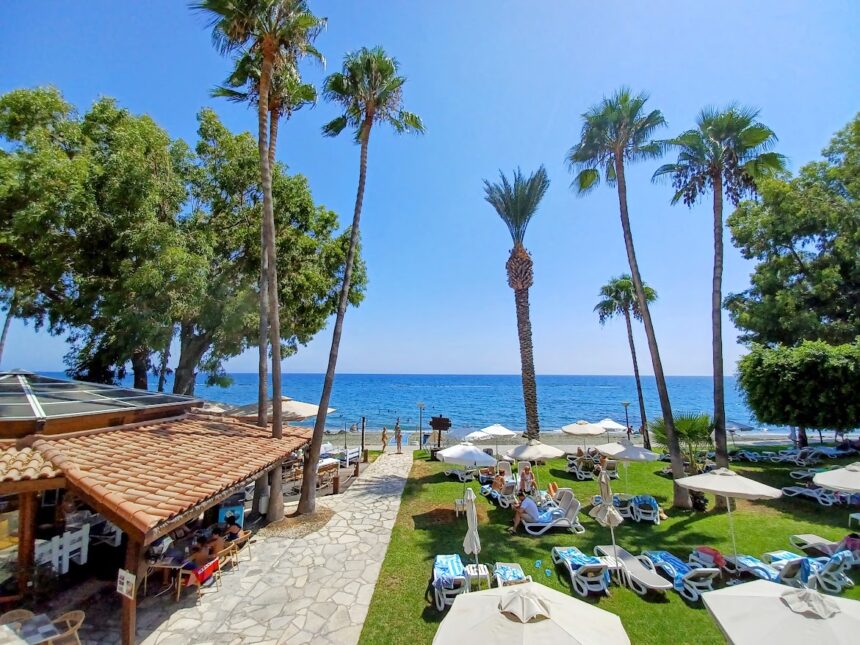
cyprus tourism — Cyprus tourism in 2025 is projected to mirror the successes of the previous year, promising an enticing experience for both new visitors and locals alike. Thanos Michaelides, president of the Cyprus Hoteliers Association, indicates that the potential for growth is palpable, despite the backdrop of geopolitical uncertainties that have cast shadows over the industry.
Cyprus tourism: Getting There
Reaching Cyprus is straightforward, with Larnaca and Paphos airports serving as the main gateways. Both airports offer numerous international flight connections, particularly from the United Kingdom, which remains a key market. As you make plans, consider booking your flights well in advance, especially for peak seasons, to secure the best rates.
Best Time to Visit
The Cypriot climate is Mediterranean, making it ideal for holidays year-round. However, for optimal conditions, the late spring (April to June) and early autumn (September to October) are particularly pleasant, featuring mild temperatures and fewer crowds. Notably, November is becoming increasingly significant for tourism, as it offers a chance to enjoy the off-peak serenity while still experiencing warm weather.
Budget Tips
While Cyprus can cater to all budgets, savvy travellers can maximise their experience by exploring local dining options, such as tavernas where authentic Cypriot dishes are served at reasonable prices. Additionally, consider using public transport to navigate the island; buses are an affordable way to see various attractions without the cost of car hire.
What to See
Cyprus is rich in history and natural beauty, making it a treasure trove for explorers. Don’t miss:
- The Ancient City of Kourion: Renowned for its stunning amphitheatre and mosaics.
- Troodos Mountains: A haven for hikers and nature lovers, offering breathtaking views and charming villages.
- Ayia Napa: Famous for its vibrant nightlife and beautiful beaches.
- The Tombs of the Kings: A UNESCO World Heritage site that offers a glimpse into the island’s ancient burial practices.
With the average length of stay increasing slightly to 9 nights, there’s ample time to delve into both the historical and contemporary aspects of this vibrant island.
Local Etiquette
Understanding local customs can enhance your experience in Cyprus. The Cypriots are known for their hospitality, so a warm greeting is always appreciated. When dining, it’s customary to say “Kali Orexi” (Enjoy your meal) before starting, and if someone offers you food, it’s polite to accept at least a small portion. Tipping is also appreciated, typically around 10% in restaurants.
Emerging Trends in Tourism
As the tourism landscape evolves, there is a clear shift towards quality over quantity. Higher per capita spending by visitors indicates a preference for more enriching experiences. This trend is being bolstered by a focus on year-round tourism, which aims to stabilise hotel operations and extend the benefits of tourism beyond the summer months. The industry is responding by improving services and accessibility, particularly in tourist areas and archaeological sites.
Future Prospects
Looking ahead, Cyprus is poised to solidify its appeal to a broader demographic. With emerging markets such as Poland and Israel contributing to visitor numbers, there is a concerted effort to attract tourists during the quieter months. The strong performance of September and October bookings suggests that Cyprus is well on its way to achieving a sustainable tourism model, balancing visitor expectations with the island’s rich cultural heritage.
As Michaelides aptly pointed out, the challenges of the past can often spur innovation and improvement. The Cypriot tourism sector is not only adapting to the modern travel landscape but thriving within it, promising an unforgettable experience for all who set foot on its shores.