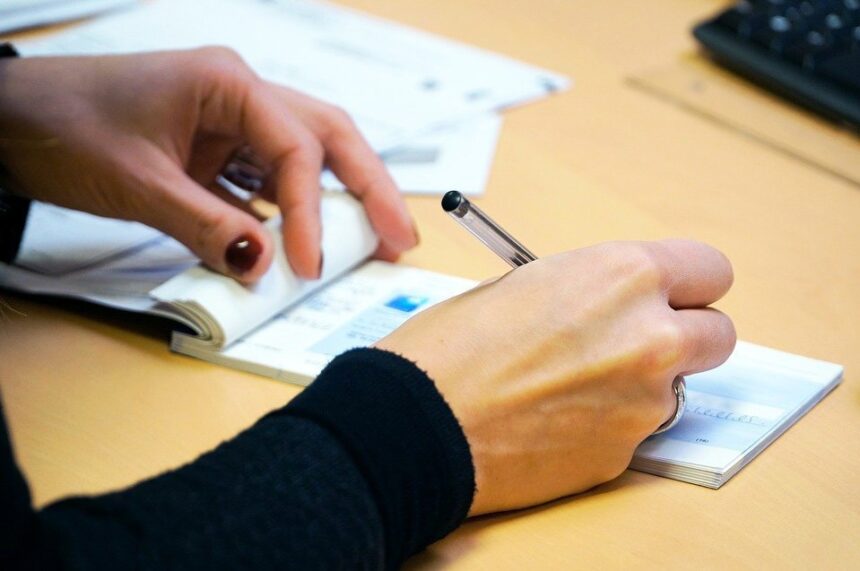
Cyprus will stop accepting personal cheques for payments to the state from January 1, 2026, as part of a move towards a more efficient collection system. The Treasury announced this significant change on Friday, highlighting the need for a modern approach to financial transactions.
The decision stems from ongoing issues associated with personal cheques, which have been notorious for causing delays in clearance and errors in payment details. Such complications often resulted in payments being rejected due to insufficient funds or incomplete information, forcing citizens to re-initiate their payments and navigate unnecessary bureaucracy.
By phasing out personal cheques, the government aims to streamline payment processes, enhancing convenience for citizens. The new system will allow payments to be made using bank cards at cash desks, online transactions, and bank transfers, including instant payments that can be completed within seconds.
For a limited time, banker’s drafts will still be available as a transitional option, although authorities plan to eliminate their use as well. Meanwhile, cash transactions will remain permissible up to €10,000, ensuring that those who prefer traditional payment methods are still accommodated.
This shift is part of a broader initiative by the government to modernise public services and improve the management of state resources. With this transition, officials expect that the public will experience quicker, simpler transactions, thereby reducing the frustrations associated with previous methods of payment.
The upcoming changes reflect a growing trend in many countries to move away from paper-based payments towards more secure electronic alternatives, which promise greater efficiency and reliability. As Cyprus gears up for this transition, citizens are encouraged to familiarise themselves with the new payment methods that will soon become standard.