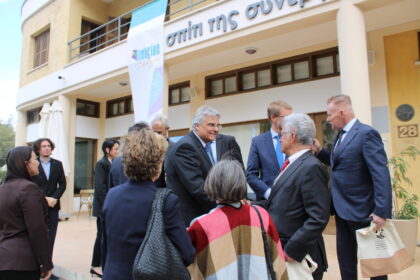
Access to new medicines in Cyprus remains a pressing issue, with just 2% of newly approved treatments available to patients without restrictions. According to data from the European Federation of Pharmaceutical Industries and Associations, only 39% of innovative medicines are accessible in Cyprus, which is below the European average of 45%. This places Cyprus 21st out of 36 countries in terms of patient access to new treatments, as reported on May 19, 2026.

Photo: en.philenews.com
New medicines: Barriers to Access
The W.A.I.T. (Waiting to Access Innovative Therapies) Indicator report, which evaluates medicines approved between 2021 and 2024, reveals stark disparities in treatment availability across Europe. Of the 168 innovative medicines that received European approval, only 66 are available in Cyprus. Notably, 92% of these medicines require special authorisations or have access restrictions, significantly hindering patient access.

Photo: en.philenews.com
Comparative Access Across Europe
Germany leads the European rankings with all new medicines available without restrictions, while Cyprus’s limited access highlights an ongoing challenge. In Germany, 156 out of the 168 approved treatments can be accessed by patients, contrasting sharply with the situation in Cyprus.
Waiting Times and Oncology Access
Despite the limited availability, Cyprus performs better than the European average concerning waiting times. Patients in Cyprus wait an average of 528 days from European approval to access, compared to the 36-country average of 597 days. Germany boasts the fastest access at just 158 days, while Romania experiences the longest wait at 1,110 days. In the realm of oncology, Cyprus holds a stronger position, with access to 32 out of 56 new cancer medicines, which translates to 57% availability in this critical area.
Calls for Change from KEFEA
The Cyprus Association of Pharmaceutical Companies Research and Development (KEFEA) attributes the barriers to access to slow regulatory procedures, varying assessment requirements, and limited health budgets. KEFEA advocates for enhanced cooperation among stakeholders to facilitate immediate patient access to new medicines following European approval, bypassing the lengthy national assessment and reimbursement processes.
Concerns Over Delays
KEFEA president Kyriakos Mikellis has expressed concern about the persistent delays in accessing new medicines, despite some recent improvements. He indicated that the evaluation of new medicines can often take two to three years, calling for expedited procedures and adherence to deadlines. Mikellis emphasised the need for increased investment in medicines by both the Health Insurance Organisation and the Ministry of Health, arguing that while new health technologies may entail higher costs, the resulting benefits for patients and society justify the financial outlay.
A Glimpse into the Future
The landscape for accessing new medicines in Cyprus remains challenging, with significant work needed to bridge the gap between European standards and local availability. As stakeholders call for reform and faster procedures, the hope is that patients will soon experience improved access to essential treatments that can enhance their quality of life.