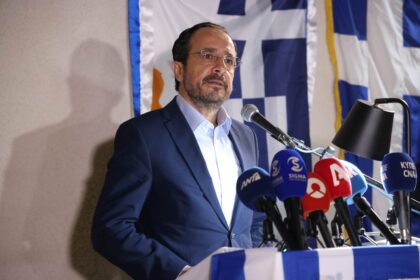
eu safe — eu safe — Cyprus has secured funding exceeding €1.18 billion for defence through the European Union’s SAFE regulation, a significant boost for the nation’s military capabilities. Government Spokesman Konstantinos Letymbiotis announced this development during a media briefing at the Presidential Palace on Friday.
- Furthermore, there are ongoing plans to upgrade the air base in Paphos and the naval base at Mari, with funding contributions from both the US and the EU.
Eu safe: Significance of the Funding
Letymbiotis highlighted that this funding comes at a crucial time, reflecting the current international situation. The SAFE regulation is designed to provide financial assistance to EU member states for immediate defence needs and to enhance collective security.
Details of the Funding Allocation
On 9 September 2025, the European Commission confirmed the allocation of funds, with Cyprus receiving a total of €1,181,503,924. This substantial amount is particularly noteworthy given Cyprus’s size, demonstrating the trust of EU member states in the Republic’s ability to effectively utilise European resources to strengthen its defence.
Investment Plan and Armaments Programmes
The Government Spokesman indicated that the Ministry of Defence, in collaboration with the General Staff of the National Guard, is currently assessing a list of armaments programmes to be included in the investment plan. This plan is expected to be submitted to the European Commission by 30 November 2025. A preliminary list has already been prepared and will be finalised based on the operational priorities of the National Guard and the government’s strategic aims.
Long-term Defence Strategy
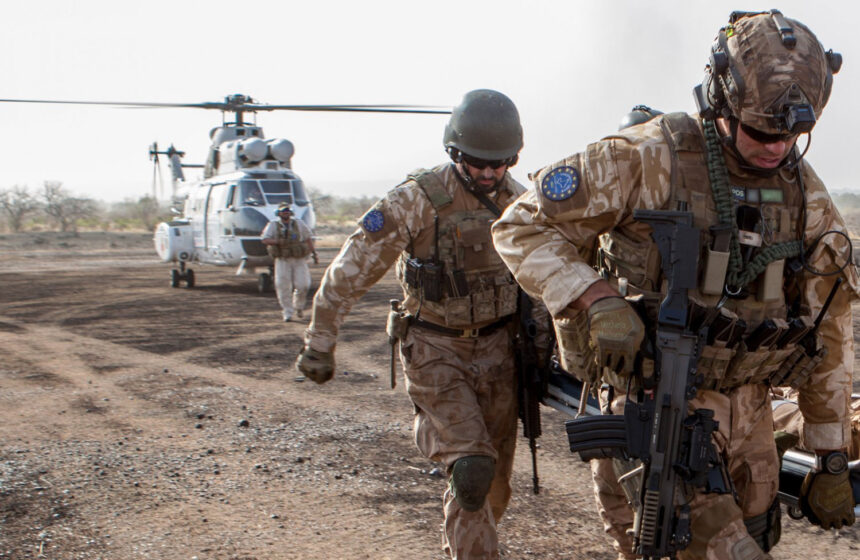
The SAFE programme spans five years, with an average annual funding of approximately €220-230 million tailored to Cyprus’s defence needs and capabilities. Letymbiotis emphasised the government’s intention to prioritise the strengthening of the Cypriot defence industry. By leveraging these funds, the government aims to boost domestic production and create synergies that will enhance both the National Guard and Cyprus’s integration into European and international defence value chains.
Collaboration with the United States
In addition to EU funding, Cyprus is also taking advantage of recent opportunities from the United States regarding defence cooperation. The US has included Cyprus in various defence programmes, such as Excess Defence Articles (EDA) and Foreign Military Sales (FMS). Cyprus has officially requested specific weapons systems from surplus American military stock as part of its broader strategy to enhance the National Guard.
Upcoming US Visits and Strategic Partnerships
In the coming weeks, teams from the National Guard will travel to the United States to inspect and assess the requested weapons systems. Letymbiotis pointed out that this strategic partnership with Washington is part of a larger effort to deepen defence and security relations between the two nations.
Modernisation Efforts and Infrastructure Upgrades
Letymbiotis noted that alongside the European support through the SAFE programme, bilateral relations with the US will provide Cyprus with access to modern defence resources at minimal cost or even free of charge. This will significantly contribute to the modernisation of the National Guard.
Furthermore, there are ongoing plans to upgrade the air base in Paphos and the naval base at Mari, with funding contributions from both the US and the EU.
Turkey’s Exclusion from the SAFE Programme
During the briefing, Letymbiotis addressed questions regarding Turkey’s application to join the SAFE programme. He reiterated that the provisions of the SAFE regulation remain unchanged, specifically regarding the participation of candidate states. He referenced a statement from the European Commission, which highlighted safeguard clauses indicating that a third country may be excluded from the programme if it threatens the security interests of an EU member state.
As a result, Turkey and its companies currently have no access to the SAFE programme. Letymbiotis underscored that any participation would require a bilateral agreement with the EU that necessitates the unanimous approval of all 27 member states.