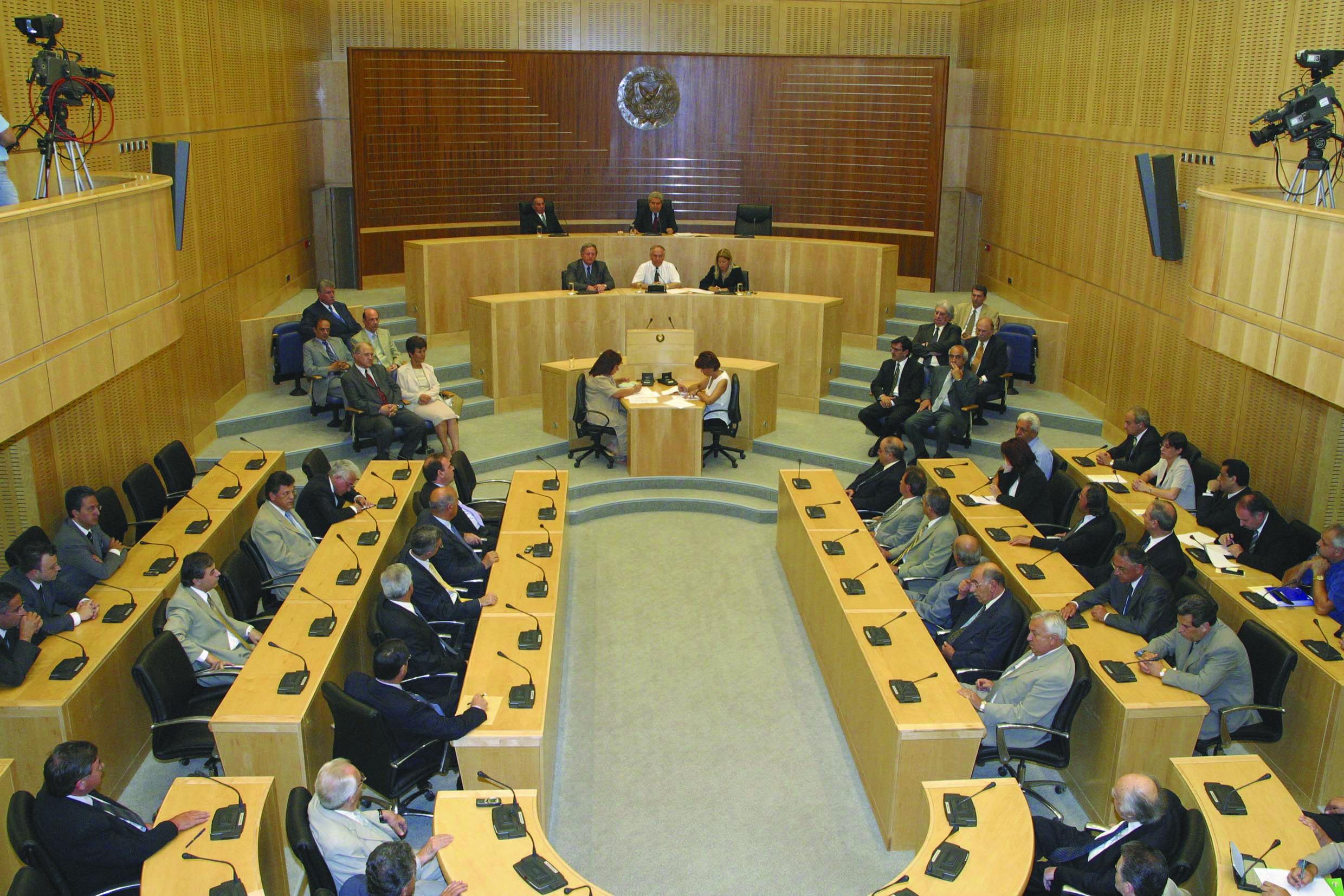
The Cyprus Parliament convened yesterday to deliberate on a comprehensive new energy policy aiming to secure the island’s energy independence and resilience amid escalating regional tensions. Lawmakers engaged in heated debate over proposed measures designed to diversify energy sources, boost renewable energy investments, and enhance infrastructure against supply disruptions. The discussions come at a critical moment as Cyprus navigates complex geopolitical challenges in the Eastern Mediterranean, underscoring the urgent need for a strategic approach to safeguard the country’s energy future. With growing concerns over energy security and sustainability, the outcome of this parliamentary session could shape Cyprus’s economic and environmental landscape for years to come.
– Strategic Priorities Shape Parliamentary Discussions on Energy Security
In a session marked by urgent debate, Cyprus’ parliament focused intensely on strategic priorities aimed at bolstering the country’s energy security amid ongoing regional tensions. Lawmakers underscored the crucial need to reduce reliance on external energy sources, highlighting the importance of accelerating renewable projects and diversifying supply chains. “Energy independence is not just an economic imperative but a matter of national security,” one senior MP stressed, reflecting growing bipartisan consensus on the issue.
Parliamentarians also called for enhanced cooperation with neighbouring countries, particularly through regional energy initiatives and infrastructure investments such as undersea natural gas pipelines and electricity interconnections. With global energy prices volatile and geopolitical risks mounting in the Eastern Mediterranean, officials conceded that a pragmatic, multifaceted approach will be essential to safeguarding Cyprus’s energy future. The discourse set a clear path for upcoming policy decisions aimed at strengthening resilience and sustainability within the island’s energy sector.
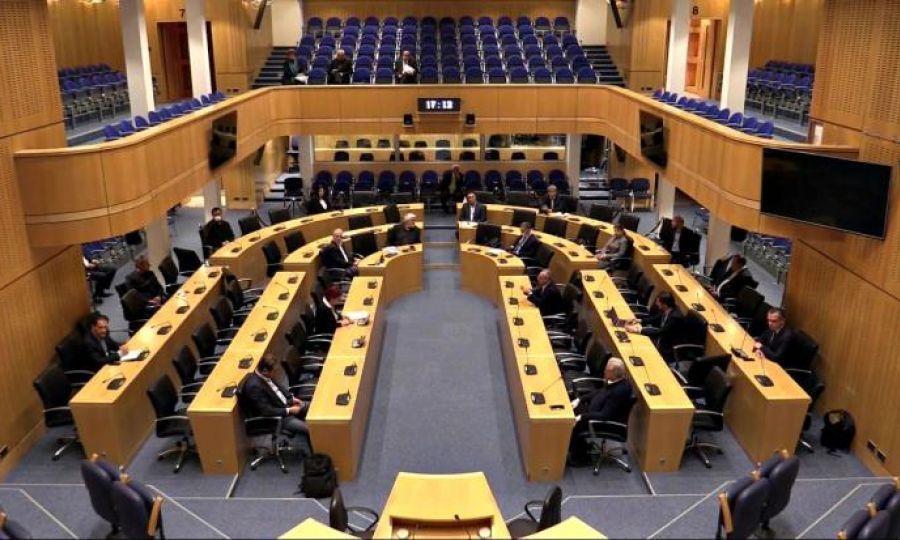
– Key Political Figures Voice Challenges and Aspirations
In the fiercely debated parliamentary sessions this week, key political figures in the Republic of Cyprus articulated a blend of concern and ambition surrounding the proposed new energy policy. House Speaker Annita Demetriou underscored the strategic importance of energy independence, stating that “Cyprus must harness our natural resources responsibly to safeguard our future and bolster economic resilience amid a volatile regional landscape.” Her remarks echoed a broader push within parliament to reduce reliance on imported fuels while expanding renewable energy investments, reflecting growing unease over geopolitical pressures in the Eastern Mediterranean.
Opposition leaders, while supportive of clean energy goals, urged caution and thorough assessment of the policy’s potential economic impact. Yiannakis Omirou, leader of the Movement for Social Democracy, emphasized the need for inclusivity, warning that “any transition must protect consumers and workers, ensuring affordability and job security in this critical period.” The dialogue captured a rare moment of consensus on prioritizing sustainable progress, even as parliamentarians debated the balance between rapid innovation and pragmatic planning. Across the chambers, the unfolding discussions revealed how Cyprus’s energy future remains deeply intertwined with its broader geopolitical challenges and aspirations for regional stability.
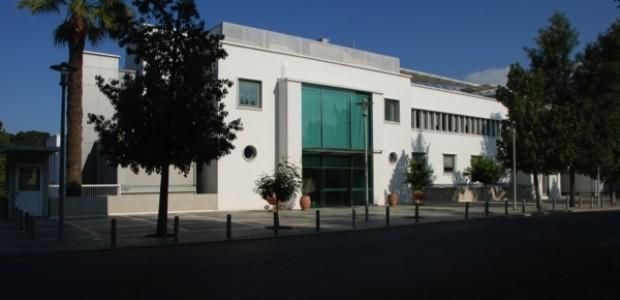
– Potential Impact of Policy Shifts on Cyprus’s Regional Role
As Cyprus navigates the complexities of revising its energy policy, the potential shift could significantly reshape its strategic standing in the Eastern Mediterranean. With recent parliamentary debates reflecting a heightened focus on energy independence and regional cooperation, experts suggest that this recalibration may bolster Cyprus’s position as a pivotal energy hub. “Cyprus has long been viewed as a bridge between Europe and the energy-rich Eastern Mediterranean basin,” noted a prominent energy analyst. “A clear, forward-looking policy would not only attract foreign investment but also enhance the island’s bargaining power in ongoing regional energy discussions.”
However, these policy developments take place amid persistent geopolitical tensions that underscore the delicate balance Cyprus must maintain. Any move toward greater energy autonomy or altered partnerships could either mitigate or exacerbate existing frictions, depending on implementation and diplomatic finesse. Observers emphasize that while the government aims to secure energy resources and diversify supply chains, it must carefully navigate relations with neighbouring states to safeguard regional stability and Cyprus’s own economic interests. Ultimately, the parliamentary decisions unfolding now could define the island’s role in the Eastern Mediterranean energy landscape for years to come.
– Community Perspectives on Energy Transition and Sustainability
The energy transition debate has sparked extensive dialogue within Cypriot communities, reflecting a broad spectrum of views on sustainability and economic resilience. Many citizens express cautious optimism about the shift toward renewable sources, recognizing the island’s abundant solar potential as a key asset. “Harnessing solar energy not only addresses climate concerns but also strengthens our energy independence,” noted a local environmental advocate during a recent town hall meeting in Nicosia. Residents in more rural areas, meanwhile, voice concerns over the cost implications of new energy infrastructure, underscoring the need for policies ensuring affordability and social equity.
Business owners and agricultural workers have also weighed in, highlighting both opportunities and uncertainties. While some manufacturers see green energy adoption as a pathway to innovation and export growth, others worry about transitional disruptions. “Sustainability initiatives are essential, but they must be balanced with support for small enterprises vulnerable to rising operational costs,” remarked a Limassol-based entrepreneur. As the parliamentary debate unfolds, the public dialogue illustrates a collective yearning for a carefully calibrated approach that safeguards Cyprus’s environment without compromising livelihoods or social cohesion.
– Navigating Economic and Environmental Stakes in Policy Decisions
As the Cyprus Parliament deliberates its new energy policy, the challenge of balancing economic growth with environmental sustainability has taken centre stage. Lawmakers are acutely aware that the island’s future energy strategy must secure national energy independence while addressing the mounting concerns over climate change. The proposed framework, which includes increased investment in renewable energy infrastructure alongside continued exploration of natural gas reserves, sparked passionate debate. Critics highlight that prioritising fossil fuels could undermine Cyprus’s commitments under the European Green Deal, while proponents argue that natural gas is a pragmatic bridge fuel essential to supporting the island’s economic development amid regional uncertainties.
“The government must ensure that energy policy does not come at the expense of our environment or our international reputation,” stressed one opposition member, reflecting widespread public unease over the environmental implications of gas exploitation. Meanwhile, business representatives underscored the urgency of maintaining energy affordability and reliability to attract foreign investment crucial for Cyprus’s economy. This dynamic tension underlines the complex interplay of economic imperatives and environmental responsibilities, as policymakers seek to chart a path that safeguards both the island’s prosperity and its natural heritage.
What It Means for Cyprus
Cyprus Parliament Debates New Energy Policy Amid Regional Tensions
In a session marked by intense discussions and high stakes, the Cyprus House of Representatives convened yesterday to debate a comprehensive new energy policy aimed at reinforcing the island’s energy independence and sustainability. This parliamentary debate comes amid escalating geopolitical tensions in the Eastern Mediterranean, with Cyprus seeking to secure its energy future while navigating a complex regional landscape.
The proposed policy frames a multipronged approach, focusing on accelerating investments in renewable energy resources, particularly solar and wind, capitalizing on Cyprus’s abundant natural conditions. It also emphasizes enhancing the island’s liquefied natural gas (LNG) infrastructure to reduce dependency on pipeline gas imports and facilitate energy diversification.
A significant point of contention among lawmakers was the pace and scale of foreign investments. While some factions advocate for rapid liberalization to attract global capital and technology, others voiced concerns over ensuring national control and safeguarding environmental standards. The debate also touched on the potential expansion of Cyprus’s exclusive economic zone (EEZ) energy exploration activities, a sensitive topic given the heightened regional naval presence.
Energy Minister spoke to parliament, underscoring the urgency of the reform: “Our energy policy must reflect not only our environmental commitments but also our strategic values. Cyprus cannot afford to be a spectator in the regional energy chessboard.” The government aims to submit the finalized policy for enactment within the coming weeks, aligning it with EU directives and broader climate goals.
Analysts note that Cyprus’s efforts to bolster renewable energy capacity will contribute to its 2030 target of achieving at least 30% of energy consumption from renewables, lowering carbon footprints, and ensuring more competitive energy prices for consumers. The LNG infrastructure upgrade is expected to provide a reliable alternative, especially during winter months when demand peaks.
For Cyprus residents, the evolution of this energy policy represents a path toward cleaner, more affordable energy options. Investors will find a landscape increasingly open to sustainable energy projects, backed by governmental frameworks and EU funding incentives. International observers will watch closely how Cyprus balances progress with prudence in this sensitive geopolitical environment, as the island positions itself as a resilient and forward-looking energy player in the Eastern Mediterranean.