Cyprus is grappling with a significant issue of burnout, as recent data reveals a concerning trend among its workforce. According to the latest European Working Conditions Survey, nearly 44 per cent of workers in Cyprus report feeling physically exhausted at the end of their working day, the highest figure among 35 countries surveyed. This alarming statistic is echoed by Gallup’s findings, which indicate that 56 per cent of employees in Cyprus experienced considerable stress the previous day, in stark contrast to the European average of 39 per cent.

Photo: cyprus-mail.com
Understanding Burnout in a Changing Landscape
While these statistics paint a vivid picture of a nation under pressure, not everyone is convinced that burnout is the right term to describe the challenges faced by Cypriots. Comments on articles discussing the issue often reflect a harsh judgement, with some branding those who admit to feeling burnt out as “lazy” or “wimps.” This divide hints at a deeper conversation about the nature of exhaustion in modern Cyprus.
Defining Exhaustion: The Physical vs. The Mental
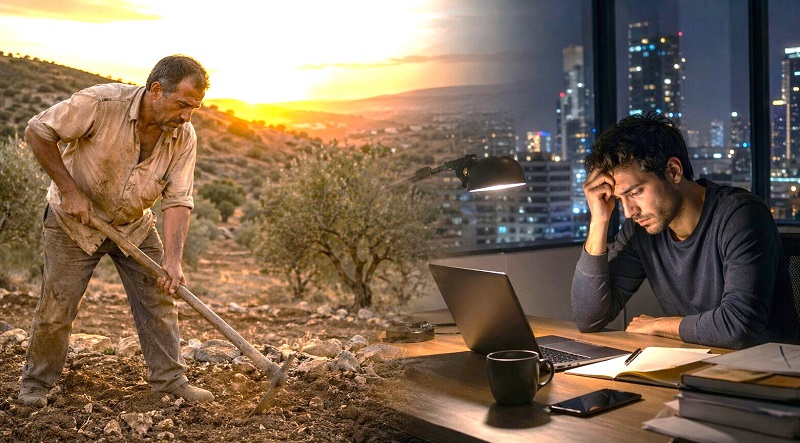
For many, the face of exhaustion is visible and tangible. It may be represented by the waiter who works grueling hours during the summer tourist season, the builder toiling under the hot sun, or the nurse who spends extended hours on her feet. Each of these professions embodies a kind of tiredness that is straightforward to recognise—marked by sweat, dirt, and a uniform that signifies hard work.
In contrast, the fatigue experienced by today’s workforce often manifests in less visible ways. It hides behind computer screens, lingers in late-night emails, and creeps into weekends, thereby blurring the lines between professional and personal life. This modern exhaustion is characterised not only by the number of hours worked but by the relentless nature of being perpetually connected.
The Shift in Work Culture
The concept of the ‘infinite workday’ has emerged to describe our current reality. This term, popularised by Microsoft, encapsulates a scenario where employees are inundated with meetings, emails, and notifications that extend far beyond traditional working hours. The pressure to remain constantly available contributes to a chronic sense of stress that is detrimental to both mental and physical health.
The World Health Organisation defines burnout as a result of chronic workplace stress that has not been managed effectively. It is marked by exhaustion, mental distance from work, cynicism, and diminished effectiveness—factors that are all too familiar to many in Cyprus. This is not a narrative of laziness or lack of resilience; it is a reflection of a system that demands unfaltering availability from its employees.
The Unique Cypriot Context
Cyprus is a unique case where the boundaries between work and life have never been entirely distinct. The casual nature of relationships often blurs these lines, with colleagues acting more like family. A boss might call after hours, but so might a cousin. Amidst the chaos of office life, there are moments of connection—sharing coffee, gossiping with a neighbour, or celebrating a family milestone. These interruptions can provide a welcome respite from the pressures of work.
However, they also complicate the narrative surrounding burnout. While many may feel overwhelmed, the communal support that characterises Cypriot life can serve as a counterbalance to the stress. It’s a double-edged sword; while the social fabric can help alleviate feelings of isolation, it does not diminish the reality of stress and exhaustion faced by many.
The Generational Divide
The conversation around burnout in Cyprus reveals a generational divide regarding the understanding of tiredness. Older generations often associate exhaustion with physical collapse, rooted in a history of hard labour and economic hardship. Younger generations, however, may frame their experiences of burnout around mental depletion, reflecting a different set of pressures that come with the digital age.
This divergence in perception can lead to misunderstandings. When older generations hear the word “burnout,” they may envision physical exhaustion from long hours, while younger individuals may associate it with the emotional toll of constant connectivity and workplace demands. Recognising these differences is crucial to fostering a dialogue that encompasses all experiences of burnout.
Finding Balance in a Challenging Environment
Despite the challenges, there remains an undeniable resilience within the Cypriot workforce. While issues of underpayment, overwork, and respect are prevalent, the spirit of community often shines through. People in Cyprus are not just battling isolation; they are navigating a complex interplay of personal and professional obligations, often finding ways to support one another amidst the chaos.
It is essential to acknowledge that this is not a universal experience. Many individuals are working tirelessly for insufficient remuneration and face a lack of options. This reality should not be romanticised; rather, it underscores the urgent need for systemic change in the workplace to better support all employees.
A New Perspective on Burnout
Understanding burnout in Cyprus requires a nuanced approach. The high levels of exhaustion and stress reported by workers are real and should not be dismissed. However, the way we interpret these experiences can vary significantly. The old signs of tiredness may no longer apply, and as such, it may be time to reconsider how we define and address burnout.
As Cyprus navigates its unique challenges, the conversation surrounding burnout must evolve. By recognising the diverse forms of tiredness and the complex factors that contribute to it, we can foster a more comprehensive understanding of what it means to be burnt out in today’s world.