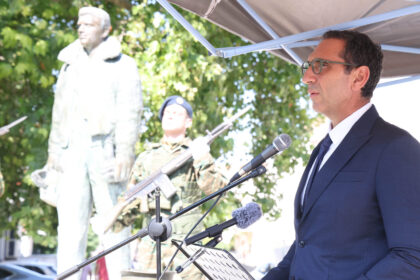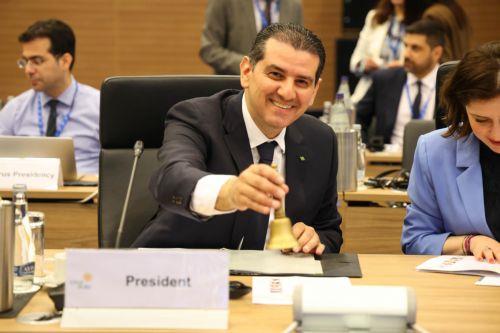
energy security — Energy security took centre stage during an informal gathering of EU energy ministers in Nicosia, highlighting the urgent need for coordinated action as Cyprus assumes the presidency of the Council of the EU. The discussions, chaired by Energy Minister Michalis Damianou, revolved around fortifying the EU’s resilience against the backdrop of increasing dependence on imported energy.
Energy security: Focus on Long-Term Resilience
Minister Damianou emphasised that the meeting’s agenda was not merely about immediate responses but aimed at ensuring long-term affordability and stability for consumers, businesses, and industries. His remarks underscored the EU’s goal of fostering a competitive and strategically autonomous environment amidst current geopolitical challenges.
Addressing Energy Dependence
“Under the current geopolitical developments, Europe’s dependence on imported fossil fuels constitutes a significant economic and strategic risk,” Damianou stated, reflecting concerns over rising energy prices that have impacted households and industries alike. As the ministers delved into the European Commission’s AccelerateEU initiative, they examined its strategic pillars designed to boost coordination and protect consumers while accelerating electrification.
Urgency in Implementation
Damianou urged member states to implement the proposed measures swiftly and cohesively to prevent fragmented responses that could undermine long-term energy resilience. A critical component of these discussions was the need to expand electricity storage capacity, which is essential for stabilising the grid and managing energy prices across Europe.
The Role of Storage Technologies
Ministers acknowledged the importance of storage technologies in creating a cleaner and more resilient energy future. They explored ways to overcome challenges posed by complex administrative procedures and the necessity for enhanced cross-border coordination. “With better synchronisation of variable renewable energy with stable low-emission base units, we can create a more flexible and truly integrated energy union,” Damianou asserted.
Aligning Immediate Actions with Future Goals
In order to maintain a stable and affordable energy landscape, the minister highlighted the importance of balancing short-term crisis responses with long-term commitments to decarbonisation and hydrogen technology transitions. This aligns with the EU’s ambitious target of reducing greenhouse gas emissions by 90 per cent by 2040.
Global Market Volatility and Its Implications
Beyond internal discussions, the ministers addressed external challenges, particularly the volatility in global energy markets exacerbated by geopolitical instability, notably in the Middle East. European Commissioner for Energy Dan Jorgensen revealed that the EU has incurred an additional €35 billion in energy costs since the onset of conflict in the region, while warning of the bloc’s vulnerability to global price fluctuations. “This is not an energy crisis. It is a fossil fuel crisis,” he stated, reinforcing the urgency of transitioning away from fossil fuels.
Assessing Preparedness and Future Risks
Jorgensen acknowledged that while Europe is better positioned than in previous years due to a boost in renewable energy deployment, diversified suppliers, and improved efficiency, it remains susceptible to external shocks. He reassured that serious short-term supply disruptions are not anticipated, including for aviation fuels, although the situation is continuously monitored.
Monitoring the Energy Landscape
Officials are keenly aware that the success of EU energy policy hinges on transforming high-level political discussions into actionable cross-border projects and enhanced cooperation among member states. The path forward is fraught with challenges, but the commitment to securing a stable energy future remains resolute.