cooling needs — Cyprus records significantly higher cooling needs than the EU average, with cooling degree days reaching an astonishing 610 per cent above the European norm, according to a recent report by the European Commission’s Joint Research Centre.
This report reveals that heating and cooling account for around 70 per cent of household energy consumption in Cyprus. Despite the island’s increased cooling requirements, it also experiences about 81 per cent fewer heating degree days than the EU average. This disparity highlights the unique climatic challenges faced by Cypriot households and underscores the need for tailored energy solutions.
Approximately 15 per cent of households in Cyprus struggle to maintain adequate warmth, and 8 per cent are behind on their utility bills. This situation raises concerns about energy affordability and accessibility for many residents.
Cooling needs: Energy Sources and Efficiency
Renewable energy sources provide about 43 per cent of the total energy used for heating and cooling across all sectors in Cyprus. However, a significant portion of the population, around 150,000 households or 39 per cent, still depend on diesel or gas boilers for heating, indicating that traditional methods remain prevalent.
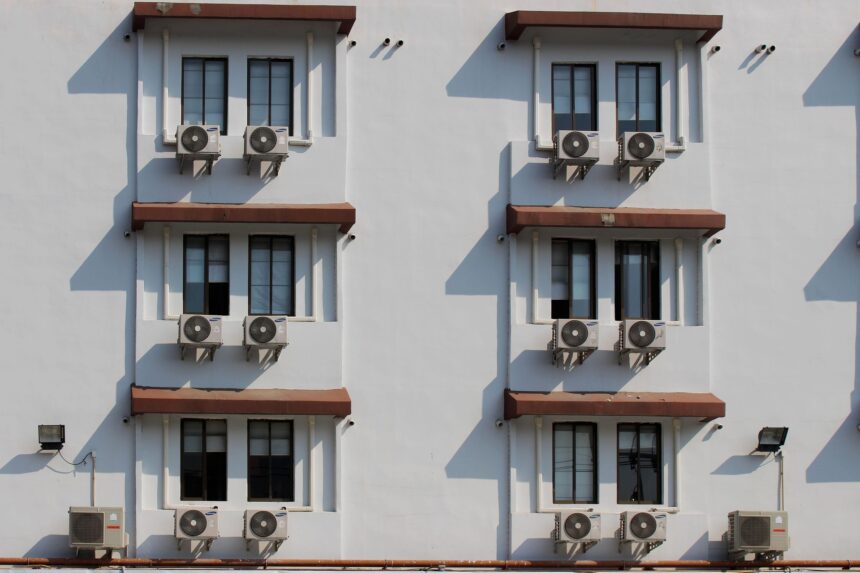
The report emphasises that heat pumps in Cyprus are predominantly utilised for cooling purposes, with demand for cooling far surpassing that for heating by more than five times. This trend suggests a potential mismatch in energy infrastructure and household needs.
Benefits of Modern Heating Solutions
In terms of energy efficiency, transitioning from a diesel boiler to an electric heat pump could lead to a remarkable reduction in energy consumption by approximately 83 per cent and a decrease in carbon dioxide emissions by around 68 per cent. However, the actual benefits depend on various factors, such as the quality of building insulation and user behaviour.
The average final energy consumption for heating in Cyprus is estimated at 22 kilowatt-hours per square metre annually. Alarmingly, 57 per cent of buildings were constructed before 2000, prior to the implementation of stricter energy performance standards, which may contribute to inefficiencies.
Future Goals and Current Incentives
The EU aims to double the annual rates of energy upgrading for buildings by 2030, with a strong emphasis on reducing emissions and enhancing energy performance. This goal aligns with the urgent need for modernisation within Cyprus’s housing stock.
According to the report, heat pumps become financially viable when the price of electricity is about three times that of heating diesel, presenting a challenge for widespread adoption. To encourage this transition, subsidies covering up to 60 per cent of the installation costs for heat pumps are currently available in Cyprus, facilitating access to more sustainable energy solutions.