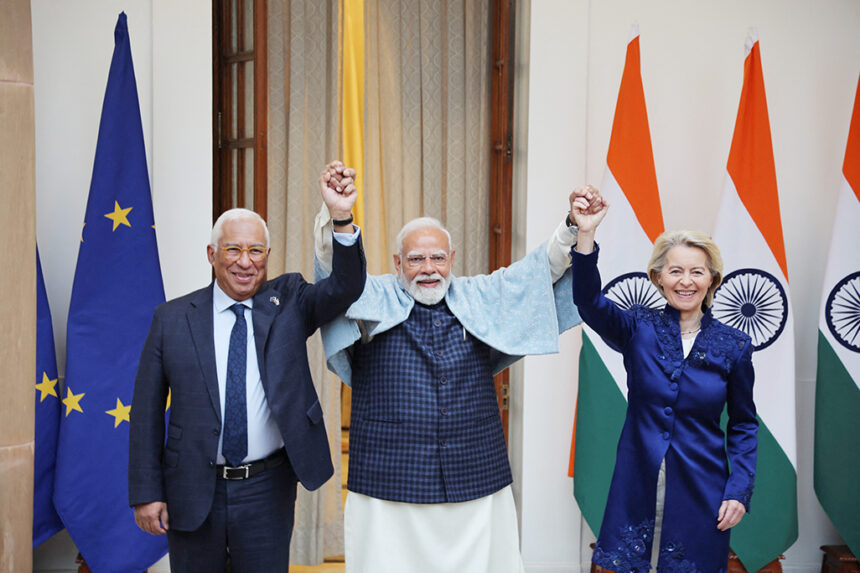
eu-india trade — eu-india trade — The Cyprus Chamber of Commerce and Industry (Keve) has highlighted that the new European Union-India free trade agreement presents significant opportunities for European exporters, particularly for Cypriot businesses in the agri-food and industrial sectors.
- Completed in January 2026, the agreement is poised to come into force in the coming years, granting European companies increased access to India's vast market of approximately 1.45 billion people.
Eu-india trade: Expansive Market Access
Completed in January 2026, the agreement is poised to come into force in the coming years, granting European companies increased access to India’s vast market of approximately 1.45 billion people.
Benefits for Exporters
According to Keve, the free trade agreement promises considerable advantages for EU exporters across various industries. With preferential access for European products, the agreement is set to reduce or eliminate tariffs on more than 96% of EU goods exported to India. This change is expected to save EU exporters up to €4 billion annually in tariffs, thereby enhancing their competitiveness.
Sector-Specific Gains
The chamber emphasised that companies, particularly small and medium-sized enterprises (SMEs), stand to gain substantially from the reduced tariffs on a range of products. Items such as olive oil, processed foods, wines, and spirits will benefit from lower costs, making them more competitive in the Indian market.
Maintaining Standards
Despite the liberalisation of trade, it is important to note that strict EU health and food safety standards will remain in effect. This ensures that consumer protection is upheld, even as trade barriers are lowered.
Safeguards Against Market Disruptions
The agreement also includes mechanisms designed to address potential market disruptions, providing safeguards in the event of adverse effects. This feature is particularly crucial for maintaining stability in trade relations.
Broader Access and Simplified Procedures
Beyond tariffs, the framework enhances access to services, strengthens the protection of intellectual property rights, and simplifies customs procedures. These improvements are expected to facilitate smoother trade operations between the EU and India.
Opportunities Across Multiple Sectors
Keve pointed out that the agreement opens doors across a variety of sectors, including agri-food, machinery, medical devices, and chemicals. The stability offered by the deal, combined with the reduction of trade barriers, is projected to significantly improve market access for SMEs.
Encouragement for Local Businesses
The chamber has encouraged local SMEs involved in exports or those looking to expand into new markets to evaluate how the agreement can bolster their competitiveness in India. By leveraging the benefits of this trade deal, businesses could enhance their long-term growth strategies.
Strategic Growth for the Future
Finally, Keve urged businesses to assess the potential advantages of the EU-India agreement. With preferential access to one of the world’s largest economies, local enterprises are in a strong position to explore new opportunities and support their long-term growth initiatives.