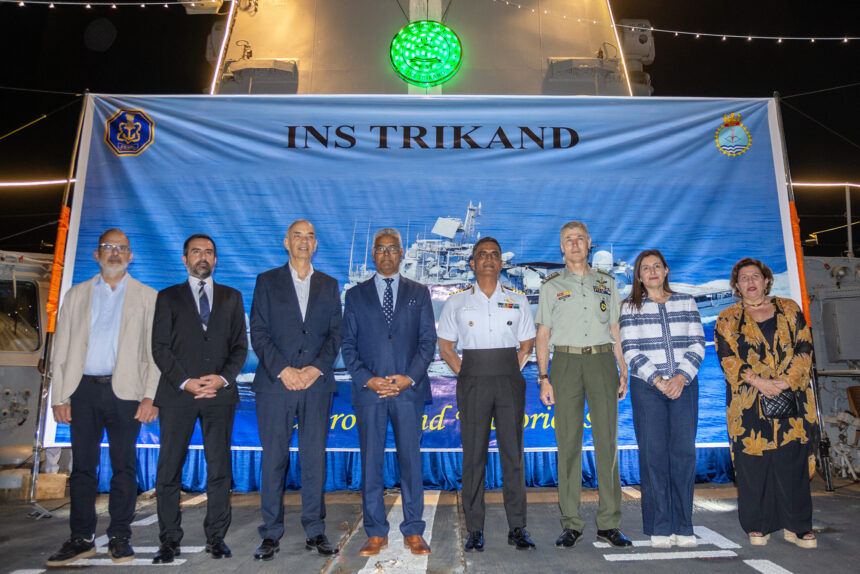
defence ties — The strengthening of defence ties between Cyprus and India was the focal point of discussions on Monday evening aboard the Indian warship Trikand, which docked in Limassol on Sunday. This visit marks a significant step in the partnership initiated during Indian Prime Minister Narendra Modi’s official visit to Cyprus in June.

Photo: cyprus-mail.com
Defence ties: Historic Milestones and Future Prospects
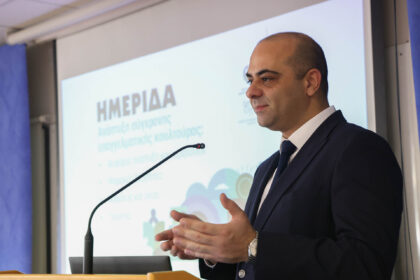
Transport Minister Alexis Vafeades highlighted the visit as a beginning, building on the momentum created by Modi’s two-day visit where he engaged with Cypriot President Nikos Christodoulides and other key officials. Vafeades stated, “This is a beginning, building on the momentum created by the Indian prime minister’s visit in June,” reflecting the ongoing commitment to enhancing bilateral relations.
Hospitality and Strategic Partnerships
Vafeades noted that the Trikand could rely on the hospitality of Cypriot ports, suggesting that Limassol might serve as a “second home port” for the vessel. Such arrangements would not only benefit military cooperation but also enhance the strategic presence of both nations in the region.
Recent Developments in Defence Cooperation
Earlier this September, India’s Minister of State for Defence, Sanjeev Kumar, met with Cyprus Defence Minister Vasilis Palmas in Nicosia. Their discussions centred on the pressing security situation in Cyprus and the eastern Mediterranean, aiming to explore deeper cooperation.
In a related development, Deputy Minister of Research and Innovation, Nicodemos Damianou, attended the ICC Global Business Summit in Mumbai, promoting Cyprus as a technology partner and EU gateway for India. Vafeades reiterated Damianou’s commitment to strengthening economic and innovation ties, asserting that Cyprus can be a reliable partner for India despite the differences in size and population.
Cultural Connections and Historical Ties
Vafeades celebrated the historic solidarity between Cyprus and India, rooted in their shared anti-colonial struggles and participation in the Non-Aligned Movement. He announced that both governments have finalised a joint action plan for 2025–2029, which provides a framework for defence cooperation, including joint naval training and the regular hosting of Indian naval ships.
Strengthening Military Relations
National Guard Chief Lieutenant General George Tsitsikostas, who accompanied Vafeades during the visit, expressed his eagerness to welcome his Indian counterpart to Cyprus soon. He emphasised, “This visit will mark another milestone in our relations, further strengthening the institutional dialogue and strategic cooperation between our armed forces.” This sentiment underscores the importance of military collaboration in enhancing both nations’ security capabilities.
Welcoming Remarks from the Trikand’s Captain
Captain Sachin Kulkarni of the Trikand welcomed Cypriot officials aboard, expressing gratitude for the opportunity to visit Cyprus. He remarked, “[Cyprus] is not just an island in the Mediterranean; it is a rendezvous of history, a meeting point of cultures, a bridge between east and west. It embodies how cultures can combine and flourish.” Kulkarni’s comments reflect the deep cultural affinities between the two nations, reinforcing the notion that geographical distance does not diminish their connection.
Public Engagement and Joint Exercises
On Tuesday, the Trikand will hold a public open day from 10am to 5pm, allowing registered visitors to tour the vessel. This initiative serves not just to educate the public about naval operations but also to foster goodwill and interest in the relationship between Cyprus and India.
Following the open day, a joint naval exercise between the Cyprus navy and the Trikand is scheduled for Wednesday, September 24. This exercise will further solidify the practical aspects of their defence cooperation, providing both sides with the opportunity to enhance their operational synergy.
Looking Ahead
As Cyprus and India work towards a more robust defence partnership, the strategic implications of their collaboration are becoming increasingly evident. Both nations stand to benefit from enhanced military capabilities and shared expertise, creating a foundation for future cooperation in various sectors beyond defence.