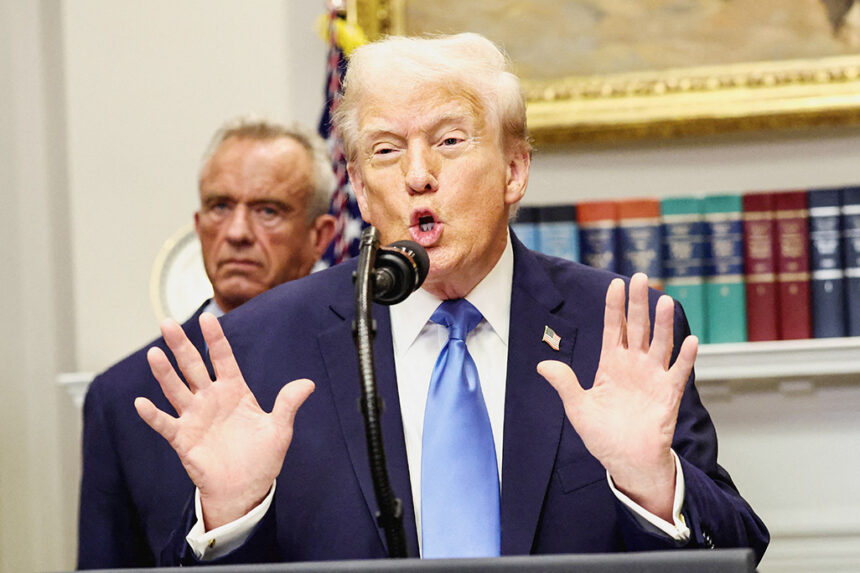
The focus keyword paracetamol has come under scrutiny following recent statements from the World Health Organization (WHO). On Tuesday, a WHO spokesperson stated that the evidence linking paracetamol use during pregnancy to autism remains inconsistent. This declaration comes amidst heightened public debate surrounding childhood vaccinations and their purported connections to autism, a topic that has been thrust into the spotlight by U.S. President Donald Trump.
During a press briefing in Geneva, WHO spokesperson Tarik Jašarević addressed concerns raised by the public regarding the safety of paracetamol, a commonly used pain reliever during pregnancy. He clarified that while research is ongoing, the current findings do not support a definitive link between the medication and autism.
“The evidence remains inconsistent,” Jašarević remarked, responding to inquiries about the potential risks associated with paracetamol use in expectant mothers. He emphasised the importance of relying on scientific evidence when discussing such critical health issues.
Jašarević further highlighted the significance of vaccinations, which have been a focal point of controversy in recent years. In light of Trump’s comments linking autism to vaccines and paracetamol use, Jašarević reiterated that vaccines do not cause autism. “Vaccines, as I said, save countless lives. So this is something that science has proven, and these things should not be really questioned,” he asserted.
Trump’s remarks have reignited debates around vaccine safety, an issue that many health officials wish to clarify. The WHO’s stance is clear: the benefits of vaccines far outweigh any unproven claims regarding their safety.
As discussions about maternal health and child development continue, the WHO remains committed to providing accurate information based on scientific research. This commitment is essential in dispelling myths that can lead to public fear and misunderstandings about medical practices.