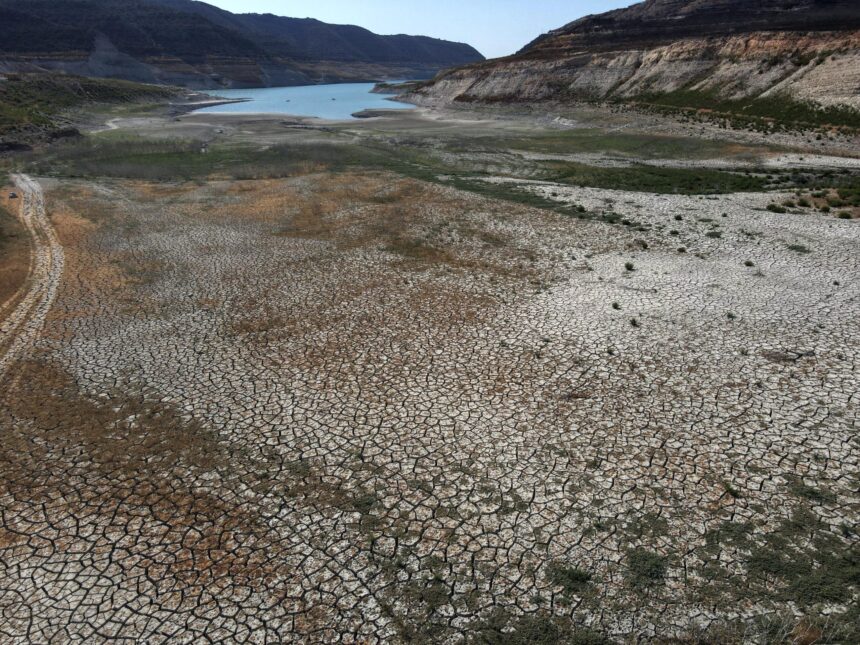
Cyprus has not been left without water, despite ongoing drought conditions, as the government reassures citizens about water supply measures. On Tuesday, officials presented their strategies to counteract the severe water shortages that have raised alarm among the public and farmers alike.
With the island’s dams currently holding just 11 per cent of their capacity—down from 27 per cent last year—fears about irrigation and water availability are mounting. During a recent session of the House agriculture committee, opposition MPs expressed frustration over the government’s perceived lack of urgency in addressing the crisis. Disy MP Kyriacos Hadjiyianni did not hold back, labelling the administration a “disability government.”
Andreas Gregoriou, the agriculture ministry’s permanent secretary, defended the government’s efforts by stating, “To say that the government has not done enough about the water issue is like spitting on ourselves.” He emphasised that the country is actively working to maintain water supplies and will not run dry.
Central to the government’s strategy is desalination. Gregoriou highlighted the operation of the Kissonerga desalination facility, which is expected to produce up to 12,000 cubic metres of water daily by the end of the year. He also noted that the Mavrokolymbos dam has been restored and is ready to receive water. Meanwhile, the Kouklia facility is generating around 15,000 cubic metres per day.
Looking ahead, Gregoriou assured that the Paphos district should not experience water supply or irrigation issues by 2026, thanks to these measures. Additionally, a mobile desalination unit provided by the United Arab Emirates has been installed in Moni, further boosting production capacity.
New desalination projects are underway at Garyllis and the port of Limassol, with expectations for them to come online before year-end. The government has also issued tenders for a new unit at Episkopi and plans to utilise a desalination unit at the Vasiliko power station, alongside a new facility in the Famagusta district capable of producing 10,000 cubic metres per day.
Gregoriou acknowledged the challenges associated with desalination, describing it as both costly and energy-intensive. He committed to ensuring future desalination projects incorporate renewable energy sources to mitigate these issues.
On the irrigation front, the situation remains dire, with the current reservoir levels deemed insufficient for agricultural needs. Farmers have been advised against starting new plantations due to the lack of water. The ministry is preparing financial support for farmers who can demonstrate income loss attributable to the drought.
Local government organisations have been vocal about the urgency of the situation. Sotiris Metaxas, general manager of the Limassol district organisation, highlighted the need for approximately 90,000 cubic metres of water during the summer months, underscoring the importance of maximising desalination unit operations.
Andreas Charalambous from the Nicosia EOA pointed out the potential of treated water from the Mia Milia facility in the north, which generates around 12 million cubic metres annually but is largely wasted. He mentioned another facility at Solea, expected to produce 100,000 cubic metres daily, although it won’t be operational until 2027.