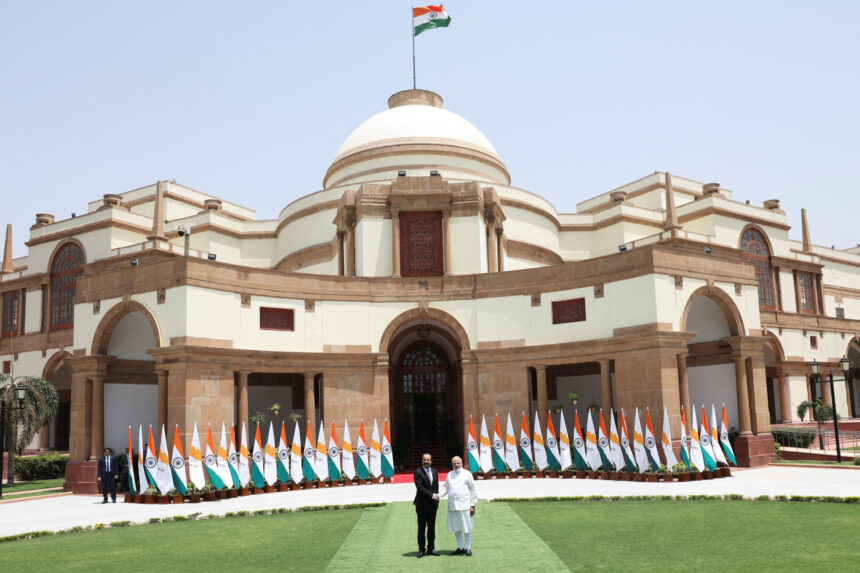
Terrorism was the focus of discussions between President Nikos Christodoulides and Indian Prime Minister Narendra Modi during Christodoulides’ state visit to India. The meeting took place at Modi’s official residence, Hyderabad House, in New Delhi, marking the third day of the Cypriot president’s visit to the subcontinent. A joint declaration emerged from their discussions, where both leaders expressed their strong condemnation of terrorism in all its forms.
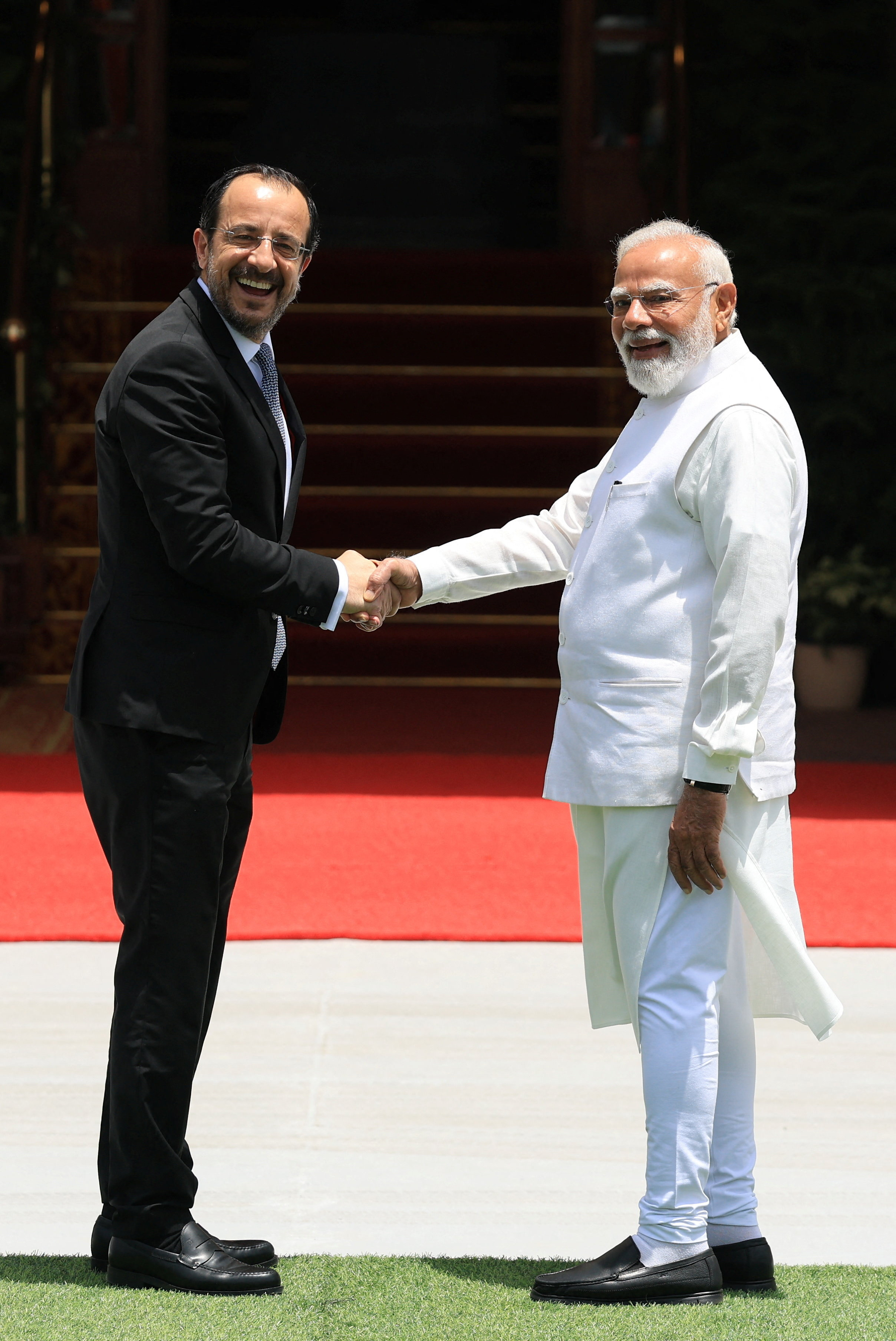
Photo: cyprus-mail.com
Joint Commitment Against Terrorism
In their joint declaration, Christodoulides and Modi categorically condemned terrorism, including cross-border terrorism, stating their unwavering support for efforts to combat this global issue. Christodoulides expressed Cyprus’ solidarity with India in its fight against terrorism, emphasising the need for collective action.
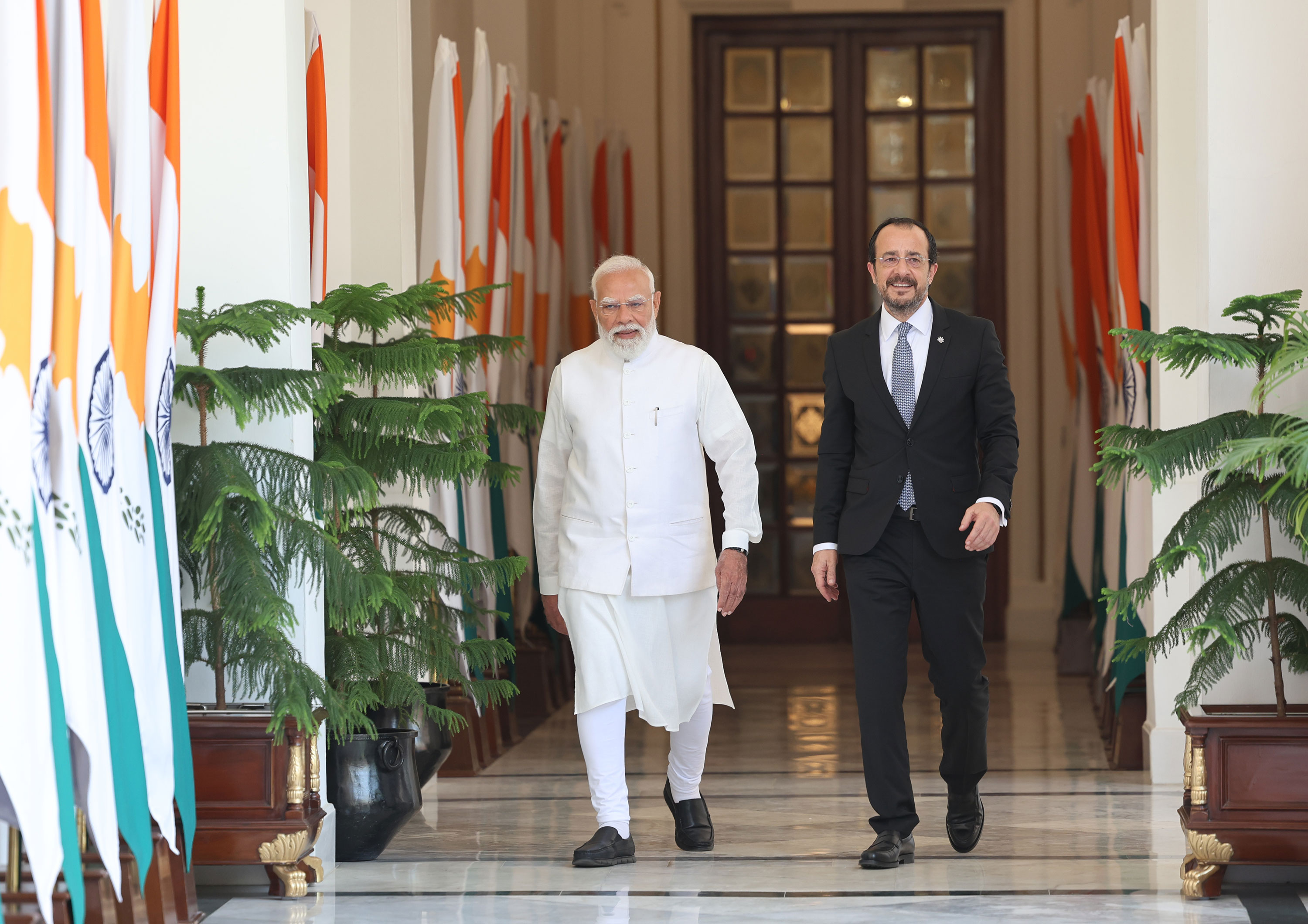
Photo: cyprus-mail.com
Condemnation of Recent Attacks
The leaders condemned two significant incidents: a mass shooting in Pahalgam that occurred in April of the previous year and a car bombing at the Red Fort in Delhi last November. Both events highlighted the ongoing security challenges faced by India. In their statement, they called for accountability for those responsible and underscored the importance of international cooperation in fighting terrorism.
Strengthening Multilateral Efforts
Christodoulides and Modi agreed on the necessity of strengthening multilateral efforts to combat terrorism. They urged for the finalisation of a comprehensive United Nations convention on international terrorism and highlighted the importance of decisive global action against all individuals and organisations designated as terrorists by the UN and EU.
Addressing Root Causes of Terrorism
Both leaders recognised the need for cooperation in countering violent extremism, addressing the financing of terrorism, and preventing the exploitation of technology for terrorist purposes. They stressed the importance of disrupting terrorist networks and eliminating safe havens that facilitate such activities.
Zero-Tolerance Policy
In their meeting, Christodoulides and Modi reiterated a zero-tolerance stance towards terrorism. They rejected any form of double standards or state-sponsored terrorism and welcomed the signing of a memorandum of understanding that will establish a joint working group focused on counterterrorism efforts.
Framework for Bilateral Cooperation
This working group aims to enhance bilateral cooperation through information sharing and capacity building. The leaders announced that the first meeting of this group is expected to take place as soon as possible, marking a significant step in their collaborative efforts.
Cybersecurity Dialogue
On broader security issues, the leaders noted ongoing cooperation between relevant agencies in both nations, particularly regarding emerging threats in cyberspace. They welcomed the establishment of a cybersecurity dialogue aimed at strengthening ties in this vital area.
Expanding Defence Cooperation
In addition to counterterrorism, Christodoulides and Modi discussed deepening defence and security cooperation, including partnerships between their respective defence industries. A memorandum of understanding was signed at the Cyprus-India business forum in Mumbai, promoting collaboration in defence manufacturing.
Roadmap for Defence Collaboration
Both leaders also welcomed the bilateral defence cooperation programme established in February, along with a technical arrangement for search and rescue operations. These agreements provide a framework for promoting defence industrial cooperation and are seen as a continuation of the momentum in defence cooperation between India and the European Union.
Maritime Security Cooperation
Recognising their shared maritime heritage, Christodoulides and Modi encouraged enhanced cooperation in the maritime domain. The leaders highlighted the importance of regular naval engagements and joint training exercises to bolster regional security and maritime awareness.
As they concluded their discussions, the commitment to tackling terrorism and strengthening defence ties stands as a significant outcome of Christodoulides’ visit, showcasing a united front against shared global threats.