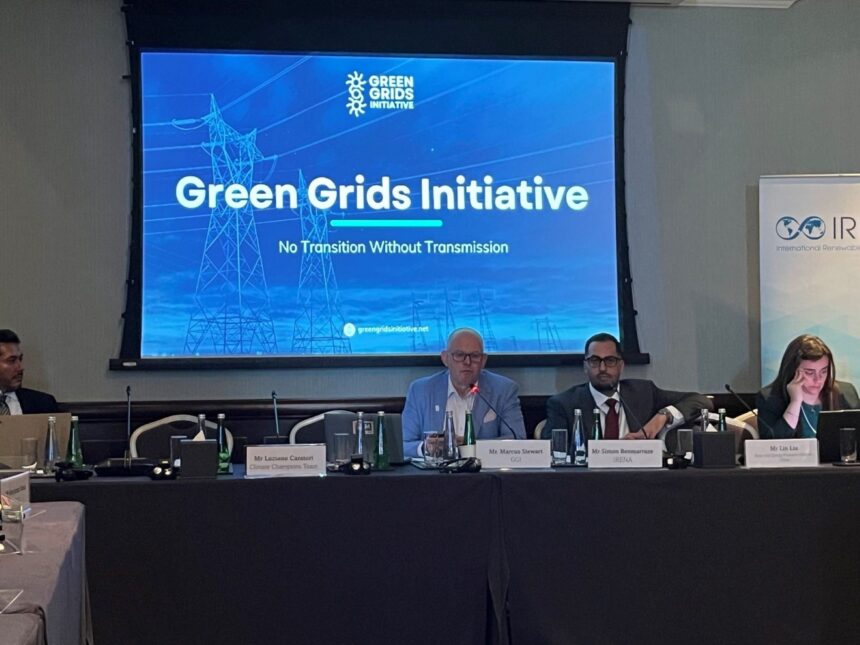
electricity grid — Operating an electricity grid on a small island presents a particular challenge, as highlighted by Marios Pappoutis, assistant network operator for the transmission system operator, during a recent summit in Abu Dhabi.
Pappoutis explained that managing a grid on an isolated island requires meticulous balancing of supply and demand, which is crucial for maintaining system frequency. He emphasised the complexities involved, noting that the lack of interconnection with other countries exacerbates these difficulties.
Electricity grid: Renewable Energy’s Role
One of the significant hurdles identified is the increasing integration of distributed generation from renewable energy sources. Pappoutis remarked that this trend complicates the balancing act for energy providers. As Cyprus experiences fluctuations in energy demand throughout the day, especially in the morning and afternoon, the reliance on conventional energy production rises. This increase in traditional energy generation consequently leads to higher electricity costs.
Call for Cultural Change
To enhance the stability and resilience of the electricity network, Pappoutis advocated for a cultural shift in how energy management systems are approached. He called for a more active involvement from energy users, suggesting that increased participation could provide the necessary flexibility for better grid management.
The Future of Energy Management
Implementing these changes, according to Pappoutis, is vital for ensuring the ongoing reliability of the electricity supply on small islands. His comments resonate with the broader conversations at the International Renewable Energy Agency (Irena) summit, where the focus was on innovative solutions to energy challenges faced by island nations.