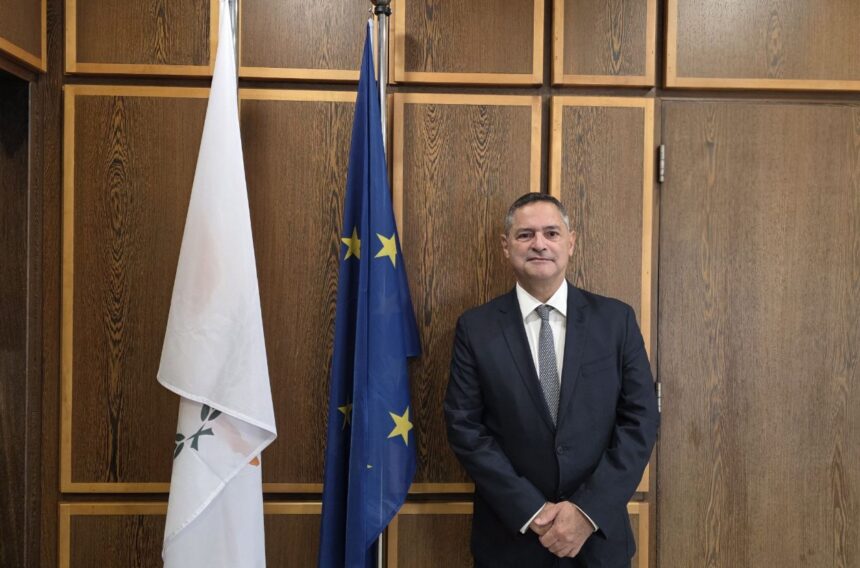
The Central Bank of Cyprus (CBC) has proposed a new governance model aimed at enhancing its operational efficiency. This initiative was introduced by the bank’s governor, Christodoulos Patsalides, during a presentation to the House finance committee on Monday.
- Moreover, the governor will also participate in the European Central Bank’s decision-making body regarding monetary policy, further integrating Cyprus into broader European financial frameworks.
Governance model: Streamlining Governance with a New Structure
According to the CBC, the proposed changes include important legislative amendments designed to enable the bank to effectively fulfil its mandate. The new governance structure is inspired by the streamlined and efficient model of the German Bundesbank.
Patsalides stated, “The highest authority will be a six-member executive council where decisions are taken by majority vote.” In this model, the governor will serve as chair, while the deputy governor will hold the position of vice-chair. This council is expected to facilitate more decisive and efficient decision-making.
Long-Term Terms for Council Members
Each of the six council members will serve a term of seven years, which will be non-renewable. This approach is designed to maintain the integrity and independence of the central bank’s governance, ensuring that members are not influenced by political pressures beyond their term.
Moreover, the governor will also participate in the European Central Bank’s decision-making body regarding monetary policy, further integrating Cyprus into broader European financial frameworks.
Economic Briefing and Future Challenges
In addition to discussing the governance model, Patsalides provided insights into the 2026 state budget, as well as recent developments in both international and Cypriot economic landscapes. He expressed a positive outlook on the upcoming budget but noted the necessity of addressing rising pressures from inflexible expenditures amidst ongoing uncertainty.
Cyprus, according to the governor, maintains a healthy and resilient economy. However, he cautioned that several risks could pose challenges. These include geopolitical tensions, trade fragmentation, regional conflicts, high financial market valuations, cyber-attacks, the growth of cryptocurrencies, and climate change.
Maintaining Economic Stability
Despite these challenges, Patsalides highlighted that the twin surpluses present in both the public and banking sectors serve as a critical buffer against potential risks. He emphasised the importance of maintaining these surpluses to ensure the continued stability of the Cypriot economy.