Carmakers and battery manufacturers are increasingly repurposing battery factories to produce energy-storage systems, driven by a weak US market for electric vehicles. As the demand for energy storage surges, these companies are pivoting to meet the needs of artificial intelligence (AI) and data centres, which require significant power resources.
Shift in Strategy for Major Automakers
With the electric vehicle (EV) market struggling following a decline in sales of more than 25 per cent in the past six months, automakers like General Motors (GM) and Ford Motor are exploring new revenue streams. These companies, along with their battery suppliers such as Panasonic, Samsung SDI, and LG Energy Solution, have invested over $100 billion in battery factories over the past decade, aiming to support a once-promising EV market.
Energy Storage Demand on the Rise
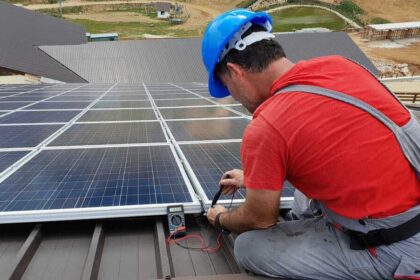
Stationary energy storage systems, which utilise lithium-ion battery cells akin to those found in electric vehicles, have become essential for managing power generated from renewable sources like solar and wind. As demand for electricity continues to escalate—especially from data centres and cloud computing—automakers see a potential opportunity to repurpose their resources.
Challenges in Conversion
However, transitioning existing factories to produce energy storage batteries is neither straightforward nor quick. The technology prevalent in energy storage, particularly lithium iron-phosphate (LFP) batteries, differs from the nickel-heavy batteries primarily used in EVs. Converting a factory can take up to 18 months and cost hundreds of millions of dollars, complicating the shift for many companies.
Excess Capacity Looms
Despite the anticipated growth in energy storage demand—projected to reach 76 gigawatt-hours this year—automakers are grappling with an oversupply of factory space. Current estimates indicate that the auto industry possesses around 275 GWh of factory space, far exceeding the near-term needs of the energy storage market. Even with predictions of demand doubling to 125 GWh over the next five years, the surplus of capacity remains a significant hurdle.
Carmakers’ New Initiatives
In response to these challenges, companies like LG Energy Solution are taking proactive steps. Bob Lee, the head of North America for LGES, has announced the conversion of three factories to accommodate energy storage production. He foresees a continued struggle with excess capacity, acknowledging the complexities inherent in this transition.
Investment in Diversification
Ford has committed $2 billion to establish a new battery-storage division, aiming to diversify its revenue streams. Similarly, GM’s joint venture with LGES, Ultium Cells, is converting a Tennessee plant to produce battery cells specifically for storage systems. These initiatives reflect a strategic pivot as traditional automakers seek to catch up with industry leaders like Tesla, which has been ahead in developing energy storage technologies.
Competition from Established Players
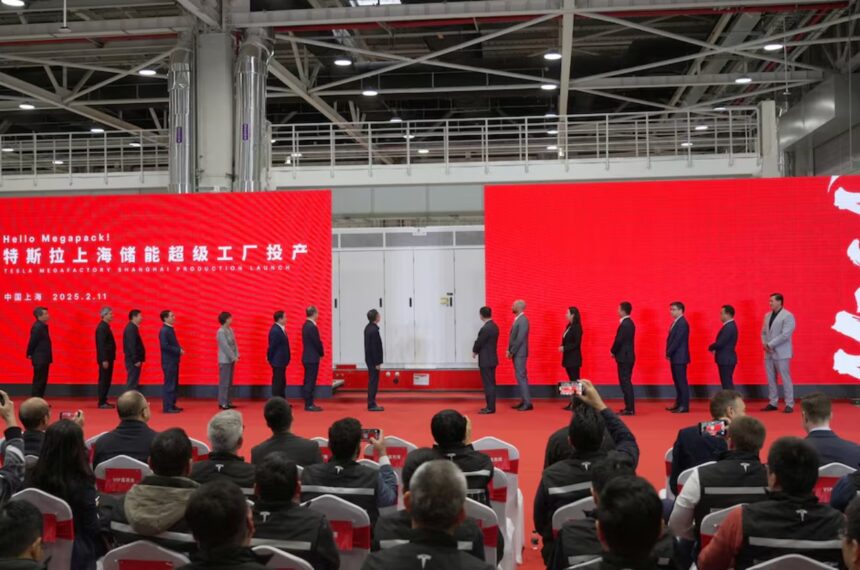
While carmakers attempt to shift focus, Tesla has already established a robust energy storage business, contributing significantly to its profitability. With deployments of Tesla’s Megapack storage units surging, the company has positioned itself as a leader in the energy storage market, creating a competitive landscape for other manufacturers.
Looking Ahead
The landscape of battery production is evolving as US carmakers and battery firms navigate the complexities of the energy storage market. As they strive to reduce reliance on Chinese materials and adapt their factories, the future will depend on their ability to innovate and meet the rising demand for energy storage solutions.