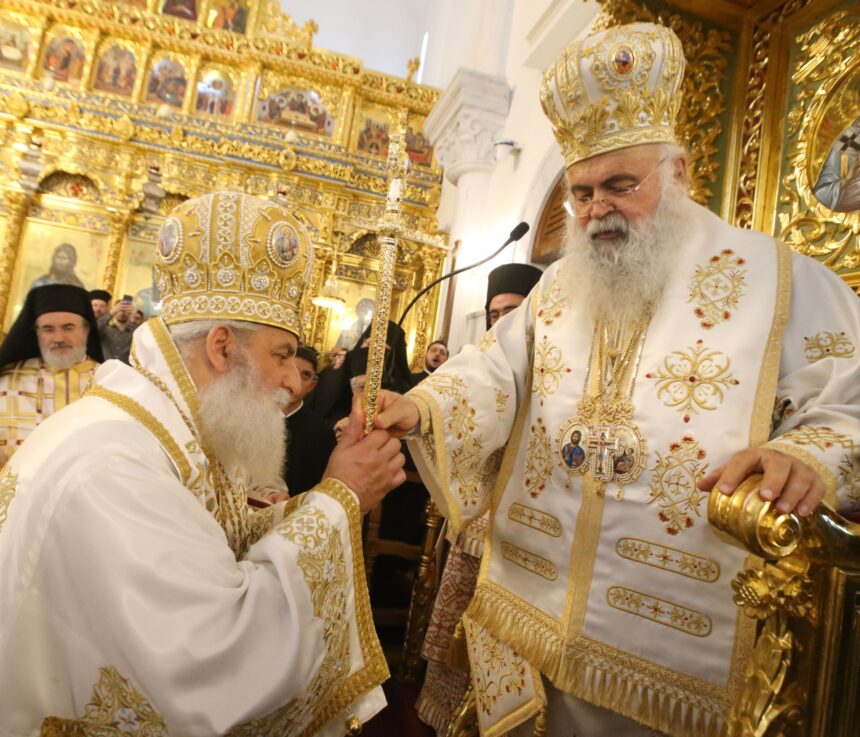
Archbishop Georgios has firmly stated that the church had no part in the state land exchanges scrutinised by the anti-corruption authority’s investigation into the book Mafia State. During an interview with Alpha on Monday, he made it clear that the church is prepared to return a donation from Malaysian fugitive Jho Low if a court mandates it.
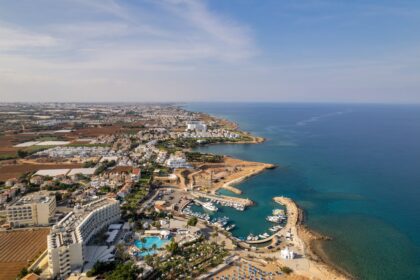
The anti-corruption authority’s findings involved allegations surrounding the transfer of state land to the archbishopric, particularly a compensation arrangement linked to former agriculture minister Nicos Kouyialis. The authority has suggested a criminal investigation into Kouyialis regarding the expropriation of church land in Engomi and the subsequent transfer of state-owned plots in Ayia Napa to the church.
According to the authority, the state had expropriated church land valued at €5.7 million, yet the plots that were transferred to the archbishopric were later determined to be worth over €10.6 million. The authority concluded that the state may have incurred substantial losses from this transaction and recommended an investigation into Kouyialis for potential abuse of power.
Despite the serious implications of these findings, Archbishop Georgios insisted that the church had no influence on the selection or valuation of the land. “From the information we have received, it appears the Church had no involvement,” he stated. He also explained that the state had initiated the expropriation for a school project and was responsible for identifying equivalent properties for compensation.
“We were not asked to provide explanations. The government undertook to find properties of equal value for exchange,” the archbishop added, addressing the ongoing scrutiny faced by the church amid these allegations.
These claims are part of a broader narrative presented by journalist Makarios Drousiotis in Mafia State. The investigation also looked into whether the archbishopric had unduly profited from the compensation agreement approved by the state. The archbishop reiterated that the church would comply with any legal conclusions regarding the matter, reaffirming its commitment to transparency.
Furthermore, Archbishop Georgios discussed the church’s financial dealings, particularly a donation received from Jho Low, who is at the centre of the 1MDB corruption scandal. The church had accepted approximately €300,000 from Low to support its theological school, a donation made during the tenure of the late Archbishop Chrysostomos II before Low became a wanted fugitive.
When questioned about the possibility of returning the funds, Georgios stated that the church would abide by any legal ruling. “If there is a court decision, the church does not want any shadows cast over it,” he said, underscoring the church’s intention to maintain its integrity amidst rising scrutiny.
His remarks come shortly after a Nicosia court ordered the seizure of a luxury villa in Ayia Napa owned by Low, valued at around €6 million. This action was initiated following a joint application by the attorney-general and the anti-money laundering unit (Mokas), reflecting ongoing attempts to address financial misconduct linked to Low.
Low had obtained Cypriot citizenship in 2015 through a now-defunct citizenship by investment programme, acquiring high-value real estate on the island. His citizenship was revoked by the cabinet in 2024 after he was implicated in large-scale financial crimes, including the siphoning of billions from the 1MDB sovereign wealth fund.
In the interview, Archbishop Georgios also defended the church’s commercial operations, asserting that they are conducted for the common good rather than for individual gain. He emphasised that church assets are not the personal property of the clergy, but rather serve a broader societal purpose.