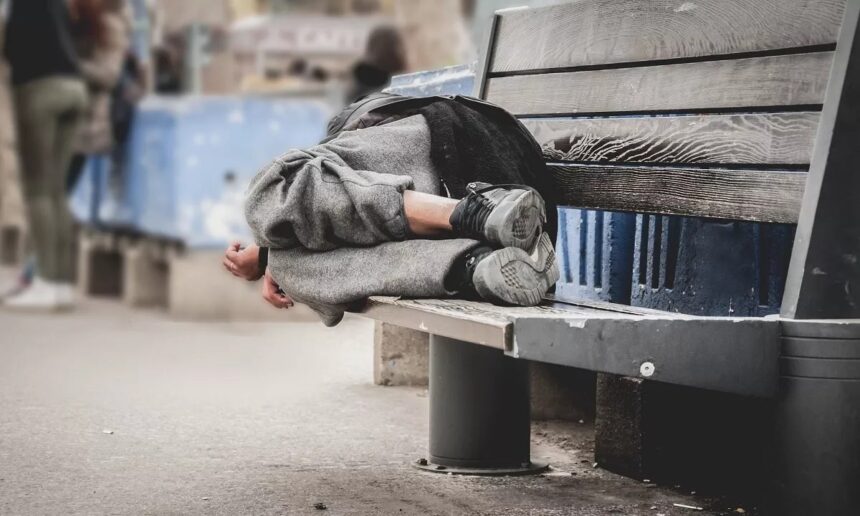
Each year, Cyprus faces between 200 and 250 cases of houselessness, according to the Deputy Ministry of Social Welfare. Phaidra Exadaktylou, an official at the ministry, highlighted their ongoing efforts to address these challenges and provide essential housing solutions to those in need.
Exadaktylou’s comments come in the wake of a tragic incident earlier this week, where a deceased woman was discovered on a coastal avenue in Paphos. While the police continue their investigation, Exadaktylou noted that the ministry had no further information to share regarding this specific case.
“The phenomenon of houselessness ranges at a Cyprus-wide level of 200 to 250 people per year,” Exadaktylou stated. She also expressed that compared to other European nations, Cyprus’s situation is “at a very satisfactory level.”
In a historical context, the Social Welfare Services reported handling 225 individuals facing housing issues in 2024, up from 380 in 2023 and 206 in 2022. This fluctuation indicates a significant engagement with the problem over the years.
The demographic of those affected includes Cypriots, Europeans, and third-country nationals. While most cases involve single individuals, families are also among those experiencing housing difficulties. It is important to note that these statistics do not encompass asylum seekers.
The ministry operates with a clear policy to prevent the expansion of houselessness. Exadaktylou explained, “The Social Welfare Services deal immediately with every case that comes to their attention.” The ministry relies on information from various sources, including police reports, citizen notifications, and local authorities to identify those in need.
Support mechanisms provided by the services include temporary accommodation options in hotels or lodgings, financial assistance, and psychosocial support. Once a case is reported, officials promptly reach out to the affected individuals, offering accommodation while assessing their circumstances and any additional challenges they may face, such as mental health concerns.
Guidance and support are prioritised for these individuals. Financial assistance is provided under Article 11 of the Social Welfare Law, ensuring that those in need receive timely help. The responsibility for arranging short-term stays and providing guidance on permanent accommodation falls under the Deputy Ministry of Social Welfare, whereas broader housing policy matters are managed by the Interior Ministry.