The Mediterranean electricity supergrid is taking shape as Admie, the independent power transmission operator, participated in the Eastern Mediterranean regional meeting of the Med-TSO in Amman, Jordan. During this meeting, key discussions centred on strengthening electricity interconnectivity across the Mediterranean region.
- This collaborative environment fostered the exchange of ideas on how to enhance the interconnectivity of electricity systems and support sustainable energy practices in the region.
Electricity supergrid: Strategic Representation and Future Planning
Admie was represented by Theodoros Tsakiris, the director of International Relations and vice president of Med-TSO. He outlined Admie’s significant role in shaping the Mediterranean Master Plan as part of the TEASIMED 2 programme. This plan, which extends its focus through 2030 and 2040, details essential interconnection projects that Admie is either implementing, supporting, or planning for the future.
Key Interconnection Projects
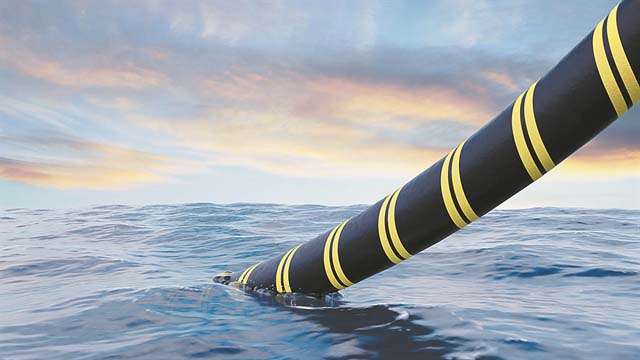
Among the pivotal projects highlighted by Tsakiris are major electricity links involving Greece. These include interconnections with Cyprus and Israel via the Great Sea Interconnector, a link with Egypt through the GREGY project, and the prospective connection to Saudi Arabia.
Particular emphasis was placed on the Saudi-Greek Interconnection, a landmark project that aims to establish the first physical connection between Europe and the Arabian Peninsula through Greece. Tsakiris noted that this initiative is not just about regional electricity supply but also aligns with broader economic and geopolitical goals.
Aligning with Broader Economic Corridors
Tsakiris linked the Saudi-Greek Interconnection to the India-Middle East-Europe Corridor (IMEC), emphasising its significance in enhancing energy cooperation not only within the Mediterranean but also with Gulf countries. This connection aligns closely with the European Commission’s strategic priorities for the region.
In addition, Tsakiris highlighted Med-TSO’s objective of fostering deeper energy cooperation with the Gulf Cooperation Council Interconnection Authority (GCCIA), which is vital for establishing a robust energy framework across the Mediterranean region.
TEASIMED 2 Initiative
The meeting was conducted as part of the EU-co-financed TEASIMED 2 initiative, which is designed to accelerate the integration of electricity systems throughout the Mediterranean basin. Participants engaged in discussions focused on the path toward a more interconnected and sustainable regional grid.
These conversations not only covered specific interconnection projects but also delved into the regulatory and financial frameworks essential for supporting these ambitious plans. The importance of collaboration among various stakeholders, including regulatory authorities and regional energy organisations, was underscored.
Wide-ranging Stakeholder Engagement
The expanded session brought together a diverse group of stakeholders. This included the EU Ambassador to Jordan, officials from Jordan’s Ministry of Energy and Mineral Resources, representatives from European institutions, and executives from various transmission system operators across the Mediterranean.
This collaborative environment fostered the exchange of ideas on how to enhance the interconnectivity of electricity systems and support sustainable energy practices in the region.
Looking Ahead: Future Conferences
The next Med-TSO conference under the TEASIMED 2 programme is scheduled to occur in Marrakech in January 2026, followed by a review conference in Brussels in February. These upcoming meetings will likely serve as crucial platforms to assess progress and refine strategies for realising the Mediterranean electricity supergrid.
As the Mediterranean region moves towards a more interconnected electrical infrastructure, initiatives like the TEASIMED 2 programme and the planned interconnections will be vital in shaping a sustainable energy future.