Transforming wastewater sludge into biocoal and green hydrogen, researchers are tackling the steel industry’s environmental footprint. This innovative approach, led by an EU-funded initiative, seeks to repurpose what is typically seen as waste into valuable resources.
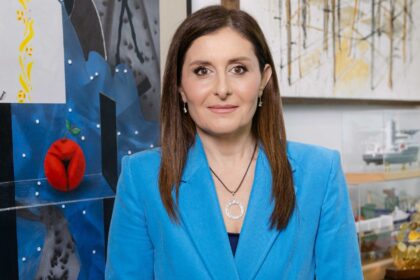
At wastewater treatment plants, the real challenge lies in the residual sludge after water treatment. Traditionally dried and either burnt or disposed of, this sludge poses significant environmental concerns. However, a team of researchers, spearheaded by David Chiaramonti from the Polytechnic University of Turin, sees potential where others see refuse. “This sludge has value, it is not just waste,” he asserts, highlighting its role in generating the hydrogen and carbon essential for cleaner steel production.
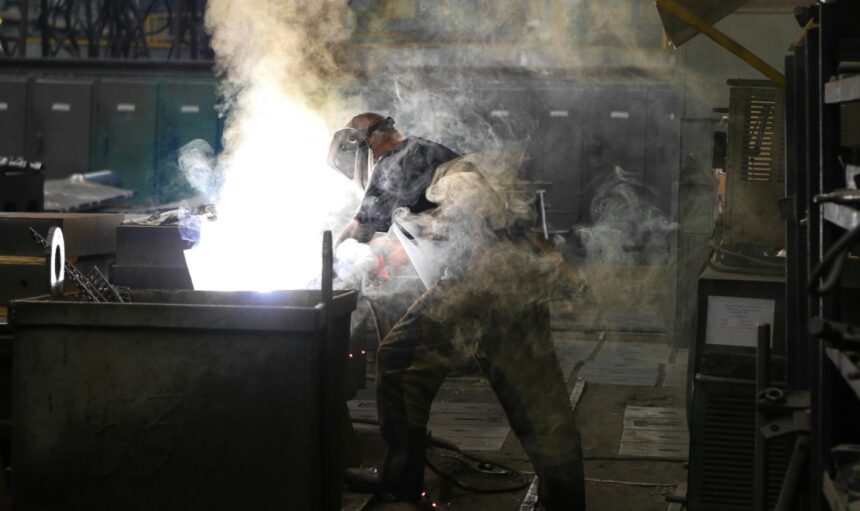
The H2STEEL project is a collaborative effort that unites experts from France, Italy, the Netherlands, Spain, and the UK. Their mission is to devise a method for extracting useful materials from wastewater sludge, thereby assisting in the reduction of emissions in the steel sector. Steel is indispensable for various applications, from automobiles to infrastructure, but it is also a significant contributor to global CO2 emissions, accounting for 8% of the total, as noted by the International Energy Agency.
Decarbonising steel production remains a formidable challenge. The complexity of steelmaking typically involves carbon-rich ingredients that release greenhouse gases, making it one of the hardest sectors to decarbonise. The EU’s Emissions Trading System has further intensified these challenges, with carbon prices projected to reach €120-150 per tonne by 2030. For an industry valued at over €2.5 trillion annually, the urgency for affordable low-carbon alternatives is paramount.
Chiaramonti describes the H2STEEL approach as a prime example of the circular economy. “We take a little-used resource, wastewater sludge, and make it useful again,” he explains. The process unfolds in two stages: first, the sludge is heated without oxygen to create biocoal through a method known as carbonisation. Following this, methane from biogas plants is processed using the biocoal as a catalyst to produce hydrogen.
This innovative method not only enriches the biocoal’s carbon content, making it suitable for steelmaking, but also separates phosphorus for use in fertilisers. By substituting traditional coal with biocoal and incorporating hydrogen into the steelmaking process, H2STEEL aims to significantly reduce emissions.
Currently, the team is constructing a processing machine in Turin, standing at 4 metres tall, to showcase this technology. “We break the biomethane into carbon and hydrogen by using the carbonised sludge at 900°C,” Chiaramonti elaborates. While official results are pending, H2STEEL holds considerable promise for the future of sustainable steel production.
As the industry explores various decarbonisation strategies, including electrical furnaces and hydrogen-based processes, H2STEEL’s sludge-based method could play a pivotal role. Jan Wiencke, team leader for sustainable carbon at steel giant ArcelorMittal, acknowledges the flexibility of this technology. “Whether we use a hydrogen furnace or an electrical one, we will still need ingredients like carbon and hydrogen in our processes,” he states, indicating the potential for immediate emission reductions.
ArcelorMittal, a key partner in the H2STEEL project, aims for carbon neutrality by 2050 and is closely monitoring the development of this technology. “This is a great technology for the steel industry, but it must prove itself economically,” Wiencke cautions, underscoring the need for viable supply chains and cost minimisation.
With a patent already pending, the partners are eager for the demonstrator results. Chiaramonti expresses optimism, saying, “What we’re doing looks very promising. Now it’s a question of taking the last steps.” If successful, H2STEEL could not only represent a technological leap but also epitomise the circular economy’s principles, fostering competitiveness while advancing towards net-zero targets.