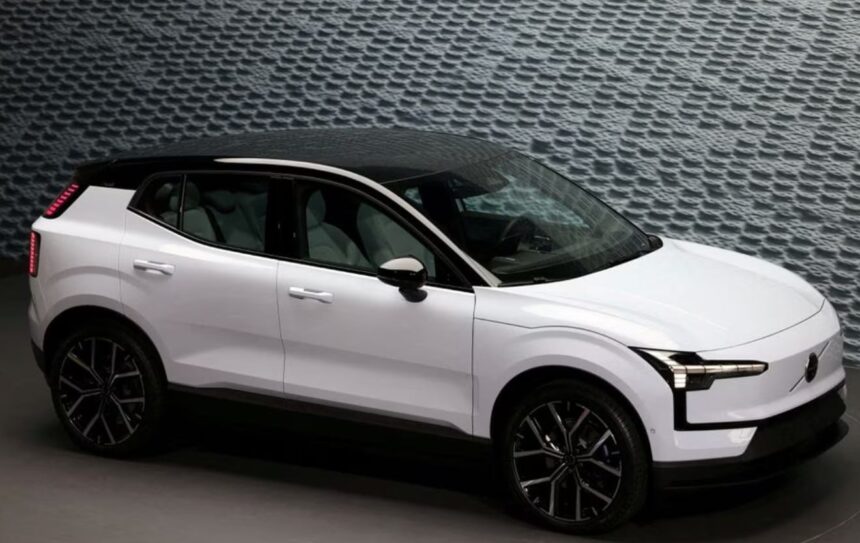
Volvo Cars has reported a 7% decline in sales volumes during the November-January period, selling 177,830 vehicles compared to the same timeframe last year. This downturn reflects the ongoing challenges faced by the automotive industry, with the company highlighting pricing pressures and unfavourable regulatory conditions in the U.S.
Volvo cars: Electric Vehicle Sales Show Growth
Despite the overall sales drop, Volvo Cars noted a 13% increase in sales for fully electric models, which now constitute 24% of all vehicles sold during this period. This surge in demand for electric vehicles indicates a shifting consumer preference towards sustainable options, even as the broader market struggles.
Mixed Results for Electrified Cars
Sales of electrified cars, including plug-in hybrids, experienced a slight decrease of 2%. This decline suggests that while interest in fully electric vehicles is rising, the overall market for electrified options remains volatile. Volvo Cars, which is majority-owned by China’s Geely Holding, continues to adapt its strategy in response to these market dynamics.
Market Pressures and Future Outlook
The company’s recent statement acknowledged the tough market conditions, stating, “Sales figures from the past three months highlight a challenging market across regions with continued pricing and competitive pressures, further worsened by unfavourable regulatory developments in the U.S.” As Volvo Cars prepares to release its earnings report for 2025, the implications of these trends will be closely scrutinised by investors and analysts alike.
Share Performance Amid Challenges
In the wake of these sales figures, shares in Volvo Cars rose by 1.5% during early trading, indicating some investor confidence despite the overall decline in sales. The upcoming earnings report is anticipated to provide more insight into the company’s performance and strategic adjustments moving forward.