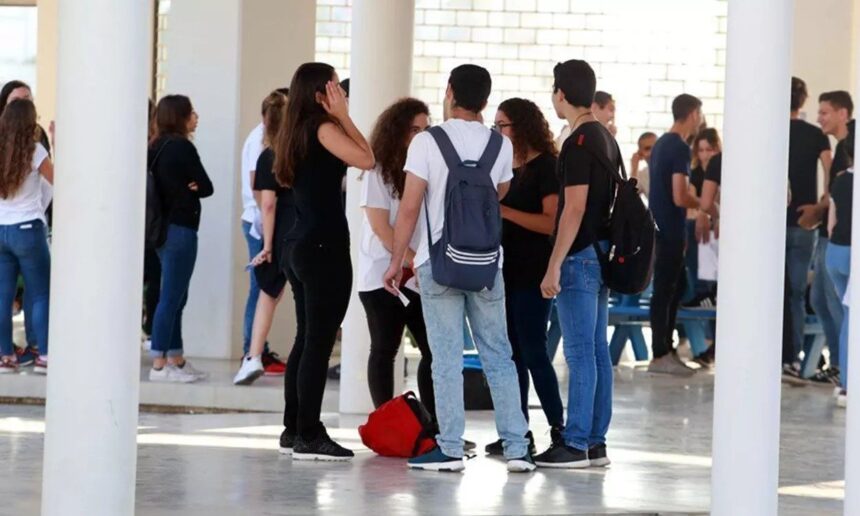
Cyprus will pilot social workers in schools this year as part of an initiative to address violence and bolster mental resilience among students. This move comes alongside the integration of educational psychologists, marking a significant shift in the Ministry of Education’s approach to learning.
Education Minister Athena Michailidou outlined that the ministry’s 2026 priorities focus on transitioning from traditional rote learning towards a skills-based education system. She emphasised the need for students to acquire practical skills that prepare them for both the job market and life beyond school. “We aim to move from content, rote learning and excessive theory towards skills that help students navigate both the job market and the wider world,” Michailidou stated.
This initiative is aligned with broader European educational priorities but aims to maintain a balanced approach that incorporates humanistic education and values. The social workers will collaborate with educational psychologists to tackle issues such as violence and delinquency, whilst also enhancing mental resilience among both students and teachers. Michailidou noted, “We continue a holistic approach; we don’t go piecemeal and fragmented. Everything we do supports our dual goal of a more effective school and a more inclusive school.”
As part of the reform agenda, the ministry is also working to finalise a long-delayed teacher appointment list and is reforming special education laws to create a more unified and inclusive schooling system. Michailidou confirmed that the ministry is at an advanced stage of consultation regarding special education and expects to present an amended bill soon.
In the realm of violence prevention, the Ministry has developed protocols and recommendations for teachers dealing with delinquency, which are being distributed in electronic and printed formats. Schools are forming teacher groups dedicated to violence prevention, while the ministry is enhancing the roles of school counsellors and class teachers. Data suggests that these roles are effective, as students often confide in these staff members.
Furthermore, the ministry is investing in security measures, such as cameras and security officers at many secondary schools, to address safety concerns during and after school hours. Michailidou highlighted the importance of family involvement, stating that violence and delinquency are often rooted in family dynamics. To this end, the ministry is ramping up collaboration with organised parent associations to improve communication and support for parents.
The upcoming changes also include a revamped work experience programme for Year 11 students, who will spend three days each week in workplaces starting in March or April. This initiative aims to provide students with practical experience and insight into potential career paths. Michailidou explained, “For us, it’s important that children are given opportunities, are properly informed, and know where to draw information for their vocational training and counselling.” The remaining two days of the week will involve presentations by labour market professionals to all students.
This modernised work week approach, according to Michailidou, is designed to maximise valuable time for students, enabling them to gain skills and information both in school and in their chosen workplaces. Additionally, career guidance is being piloted in 16 primary schools, where counsellors will assist students in understanding their educational options and future career paths.
In addressing concerns about disability rights, Michailidou responded to a recent statement from an MEP regarding individuals with intellectual disabilities. She reaffirmed the ministry’s commitment to treating all students equally and condemned any derogatory remarks about people with disabilities. “We fully respect people with disabilities, we treat people with disabilities equally, especially in schools. Opportunities must be exactly the same for everyone,” she stated.