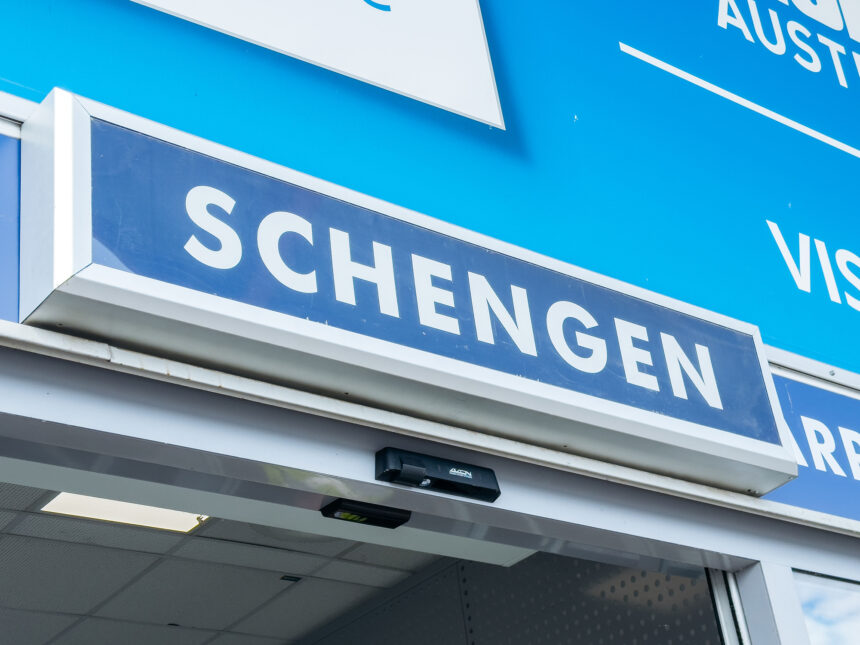
cyprus schengen — The relationship between Cyprus and Schengen membership has been a topic of discussion for many years, with many misconceptions surrounding it. Although Cyprus is an established member of the European Union, it remains outside the Schengen zone, a distinction that carries significant implications for the island’s travel, security, and political landscape.
What is the Schengen Area?
The Schengen Area consists of European countries that have abolished routine passport and border controls at their mutual borders. This arrangement allows for the free movement of people within the zone, enabling travellers to cross borders without undergoing immigration checks. Most EU member states are part of the Schengen zone, but it’s important to note that not all EU countries participate. Some non-EU nations, such as Norway and Switzerland, also belong to the Schengen Area, while a select few EU countries remain outside.
Cyprus’s Status in Relation to Schengen
Cyprus is not a member of the Schengen zone despite being an EU member state. As one of the few EU nations outside of Schengen, this status means that travellers flying from Cyprus to many European destinations still need to pass through passport control, even when travelling within the EU. This situation is primarily linked to the island’s unresolved political situation and the existence of the Green Line, which divides the government-controlled areas from the northern part of the island.
The Impediments to Cyprus Joining Schengen
Cyprus’s absence from the Schengen zone is not merely a technicality; it is deeply rooted in the island’s political and territorial issues. Unlike most EU member states, Cyprus does not have full control over its entire territory, which complicates the process of establishing a clearly defined external border for the Schengen zone. The political division of the island poses significant challenges that need to be addressed before any potential membership can be considered.
In addition to the geographical and political challenges, there are also a series of security, migration, and administrative criteria that must be fulfilled to gain Schengen membership. These include the implementation of data-sharing systems, adherence to border surveillance standards, and compliance with specific asylum procedures. Cyprus would need to ensure that these requirements are fully met to advance towards Schengen membership.
Future Aspirations for Schengen Membership
The Cypriot government has expressed a clear desire to pursue membership in the Schengen zone. President Nikos Christodoulides has set a goal for Cyprus to meet the technical and legal criteria needed for entry into the Schengen Area. Achieving this objective, however, hinges on various factors, including political developments on the island, pressures related to migration, and Cyprus’s capability to align its security frameworks with those required by Schengen.
The Implications of Joining Schengen
Should Cyprus successfully join the Schengen zone, one of the most immediate changes would be the removal of routine passport controls for travel to other Schengen countries. This would significantly ease travel for both residents and visitors, bringing Cyprus more in line with the majority of EU member states in terms of freedom of movement.
However, Schengen membership would also bring increased responsibilities for Cyprus as it would become an external border state of the EU. This transition would necessitate greater obligations related to border management, migration control, and security cooperation with other Schengen countries. The implications of these responsibilities would not only affect government policy but also have broader social ramifications.
The Sensitivity of the Cyprus Schengen Debate
The ongoing debate about Cyprus and its relationship with the Schengen zone transcends mere travel convenience. It delves into deeper issues concerning the island’s division, inter-community relations, migration policy, and Cyprus’s role within the European Union. As a result, discussions around Schengen membership are often seen as more than just a technical decision; they carry long-term political and social consequences for the island.
For a comprehensive view on the complexities and potential risks associated with Schengen membership for Cyprus, further analysis is available from local sources discussing the broader implications of this critical issue.