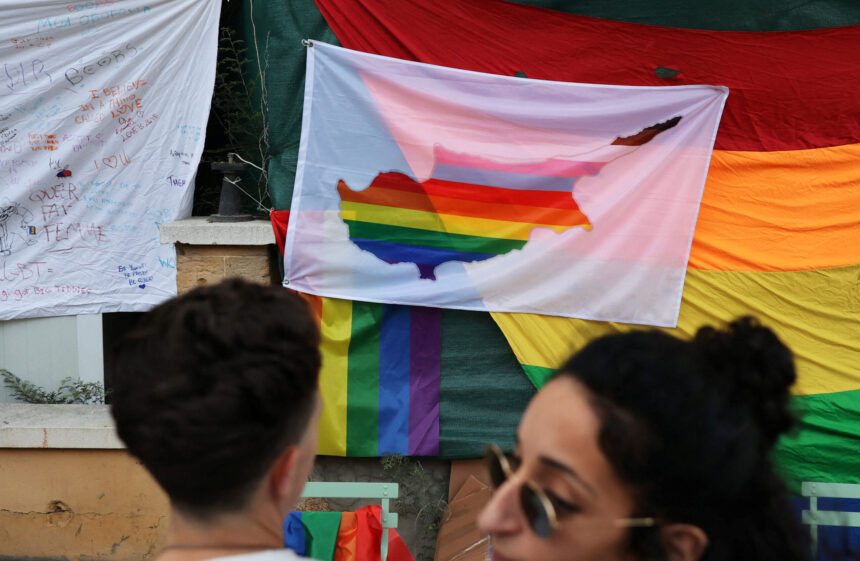
same-sex weddings — Three Cypriot MEPs have publicly stated they would attend a same-sex wedding if invited, signalling a shift in attitudes towards LGBTQ+ rights in the region. Disy’s Loucas Fourlas, Diko’s Costas Mavrides, and independent Fidias Panayiotou responded positively to social media influencer Andreas Haris’s inquiry about attending such an event. This openness contrasts sharply with the views of Elam’s Geadis Geadi, who declined the invitation outright.
Fourlas, when asked about his potential attendance, responded, “of course, why would I not go?”, adding a note of humour by questioning, “if they invite me, right?” Mavrides also expressed his willingness, stating, “if they invite me to their party, I will go.” In a nod to Cypriot wedding traditions, he quipped that he would bring an envelope full of cash, to which Haris playfully suggested, “make it a fat envelope, you’re an MEP!”
Panayiotou’s agreement came after a brief pause, demonstrating that while he supports attending, he acknowledges the complexities surrounding the issue. He remarked that the topic “has a lot of background” and noted the distinction between attending a wedding and agreeing with the broader implications of same-sex marriage, especially regarding adoption rights.
Geadi, in stark contrast, quickly replied “no” to the same question, suggesting a more traditional stance on the matter. It is worth noting that fellow MEPs Giorgos Georgiou from Akel and Michalis Hadjipantela from Disy did not participate in the video, indicating a divide in perspectives even among party members.
Currently, same-sex marriage is illegal in Cyprus, although civil unions for same-sex couples have been recognised since 2016. According to Interior Minister Constantinos Ioannou, 415 same-sex couples have entered civil unions since this legislation was enacted. Cyprus is among seven EU member states that do not permit same-sex marriage, but it notably lacks a constitutional ban on such unions, unlike five other nations including Bulgaria and Hungary.
The legal landscape for same-sex couples in Cyprus has seen some evolution. A landmark ruling by the European Court of Justice in November last year mandated that all EU member states must recognise same-sex marriages conducted in jurisdictions where they are legal. This means that couples who are legally married elsewhere within the EU would receive recognition as married while in Cyprus, thus providing a degree of legal standing, albeit not full equality.
The responses from these MEPs reflect a changing social narrative, one that could influence future discussions surrounding LGBTQ+ rights and marriage equality in Cyprus. As public figures begin to express support for same-sex weddings, it raises questions about the pace of change in legislation and societal attitudes towards LGBTQ+ individuals.