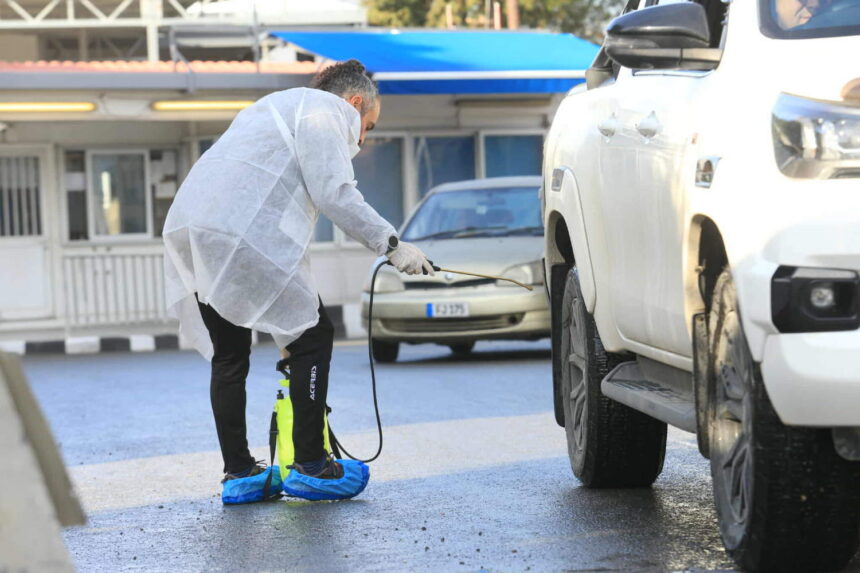
Authorities have intensified patrols along the Green Line to prevent the spread of foot-and-mouth disease from the occupied north, following reports of 70 infected cows.
- Authorities have intensified patrols along the Green Line to prevent the spread of foot-and-mouth disease from the occupied north, following reports of 70 infected cows.
- Pipis specifically asked police to report any sightings of animals grazing near the dividing line, indicating a serious concern about the possibility of cross-contamination.
- The implications of such outbreaks extend beyond health concerns; they also trigger immediate export bans on live animals and dairy products, posing a serious threat to the agricultural economy.
Veterinary Services acted promptly after private veterinarians identified clinical lesions consistent with the virus in livestock at a unit in the occupied village of Lapathos, Famagusta. Immediate measures were initiated to contain the potential outbreak.
Enhanced Border Measures
Upon receiving the alarming news, the Veterinary Services dispatched a notification to Cyprus Police, urging them to bolster border controls. This proactive step aims to prevent illegal crossings of animals and animal products across the Green Line, which divides the north and south of Cyprus.
Police spokeswoman Marina Christodoulidou confirmed that officers have been instructed to increase checks in collaboration with Veterinary Services and the Customs Department. The directive underscores the urgency of monitoring potential risks associated with the virus.
Urgent Communication from Veterinary Services
Christodoulos Pipis, Director of Veterinary Services, reached out to police leadership last week to alert them to the outbreak. In his correspondence, he requested heightened vigilance along the buffer zone to deter any movement of livestock from the occupied areas into the Republic.
Pipis specifically asked police to report any sightings of animals grazing near the dividing line, indicating a serious concern about the possibility of cross-contamination.
The Nature of Foot-and-Mouth Disease
Foot-and-mouth disease is known for its highly contagious nature and rapid transmission. It spreads easily through direct contact between animals or via contaminated vehicles and equipment. With no available treatment, confirmed cases lead to the culling of all affected animals, significantly impacting local agriculture.
The implications of such outbreaks extend beyond health concerns; they also trigger immediate export bans on live animals and dairy products, posing a serious threat to the agricultural economy.
International Trade Consequences
The outbreak has already impacted Cyprus’s standing in international trade. Australia has removed Cyprus from its list of foot-and-mouth disease-free countries, resulting in halted exports of halloumi and other dairy products. In response, Nicosia has engaged with the EU’s health and trade directorates to contest this decision and is preparing to address the matter at the World Trade Organisation.