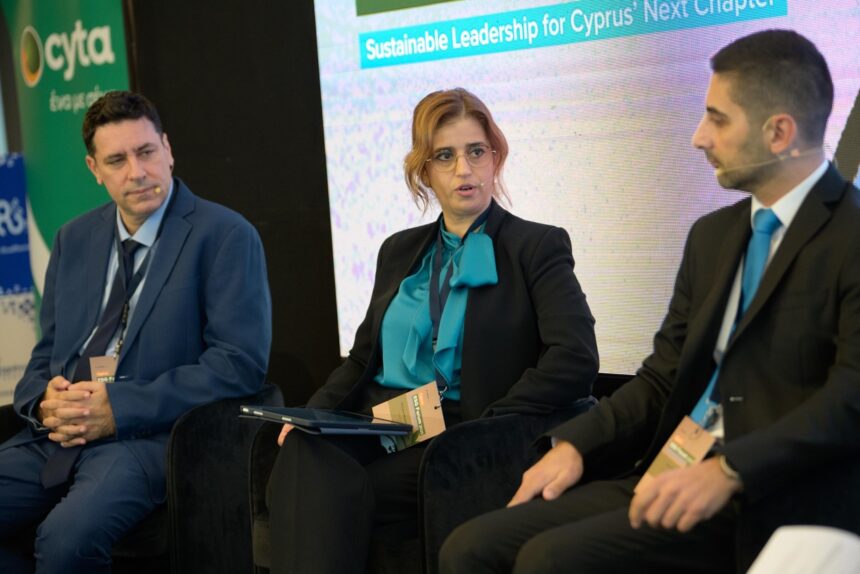
esg principles — Eurobank has made it clear that embedding environmental, social and governance (ESG) principles into core business strategy is essential, rather than treating them as mere communication exercises. This commitment was expressed during the bank’s participation in the 4th Cyprus ESG Forum held in Nicosia earlier this month.
Esg principles: Promoting Accountability in Business
The bank aims to promote accountability and sustainable practices across the business community. The forum gathered various stakeholders to discuss the modern challenges and opportunities created by ESG, emphasising the critical role companies play in shaping a sustainable economic environment.
Integrating Sustainability into Business Operations
Discussions at the forum revolved around the urgent necessity for businesses to integrate sustainability strategies into their core operations. The implementation of effective ESG frameworks was a major focus, alongside the transformative impact of artificial intelligence on sustainable development.
Leadership’s Role in Embedding ESG
Katerina Makridou-Kassoumi, head of Eurobank’s sustainability unit, participated in a panel discussion titled “Leadership & Accountability”. She underscored that ESG must not merely be a communication commitment but a genuine strategic priority for organisations. This prioritisation requires that sustainability be woven into the fabric of corporate strategy and operations.
Frameworks and Policies for Effective ESG Integration
During her discussion, Makridou-Kassoumi highlighted the need for appropriate frameworks, policies, and monitoring indicators, as well as a robust corporate governance structure that involves the board of directors and senior management. Such structures are crucial for ensuring that sustainability is not just an afterthought but a fundamental aspect of business operations.
Eurobank’s Initiatives Towards Sustainability
Makridou-Kassoumi also presented a series of initiatives undertaken by Eurobank to facilitate the transition towards a more sustainable operating model. These include a thorough revision of the bank’s ESG strategy and governance framework, developed in collaboration with the wider Eurobank Group.
Additionally, she discussed the establishment of an ESG risk assessment process for borrowers, which aims to enhance responsible lending practices. This initiative signifies a proactive approach in identifying and mitigating risks associated with ESG factors.
Supporting SMEs and Sustainable Finance
Another notable effort is Eurobank’s agreement with the European Investment Fund to support small and medium-sized enterprises (SMEs). This initiative is part of a broader strategy to create a revised sustainable finance framework that offers a wider array of product categories tailored to meet evolving ESG requirements.
ESG is Relevant for All Businesses
Makridou-Kassoumi stressed that ESG considerations are not solely the domain of large corporations. She pointed out that businesses of all sizes can benefit from integrating sustainability principles into their operations. This not only helps in reducing risks, including reputational risks, but also opens up new opportunities in the market.
Commitment to a Green Economy
In its concluding remarks, Eurobank reiterated its commitment to being a steadfast partner for clients transitioning to a green and sustainable economy. The bank provides ongoing support, guidance, and suitable financing products designed to assist businesses in adapting to evolving ESG requirements and long-term sustainability goals.
The dialogue at the Cyprus ESG Forum underscores a broader recognition within the business community of the importance of integrating ESG principles into core strategies. As companies navigate the complexities of modern market dynamics, the emphasis on sustainable practices will likely continue to grow.