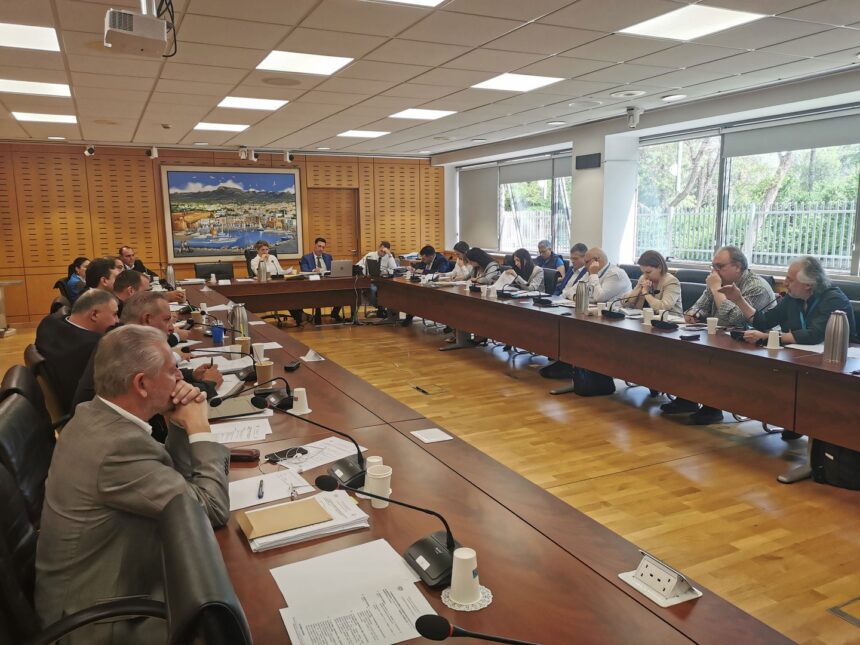
great sea — The final cost and long-term viability of the Great Sea Interconnector (GSI) are under scrutiny as MPs seek clarity during discussions at the House finance committee. This comes in the context of the Cyprus Energy Regulatory Authority (Cera) facing a deficit for the sixth consecutive year.
Great sea: Concerns Over Financial Sustainability
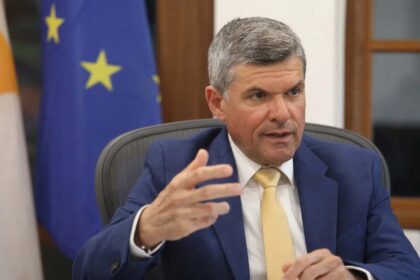
Cera vice-chairman Alkis Philippou highlighted that projects on the EU list of projects of common interest receive state grants due to their initial lack of viability. However, he cautioned that escalating costs might jeopardise the long-term sustainability of these projects.
Unresolved Issues on Project Costs
Committee chairman Polyvios Lemonaris pointed out that many issues remain unresolved, particularly regarding the final costs associated with substations. He noted that seabed surveys and the cable-laying process have yet to commence, and these could reveal the necessity for additional cables, which would further increase the project’s overall cost.
Calls for Clarification from Political Representatives
Akel MP Andreas Kafkalias emphasised the importance of obtaining full clarification on the matter, given its implications for public finances and citizens. In the same meeting, Lemonaris mentioned that Greece’s independent transmission system operator, Admie, had not provided any recent updates, leaving the project’s current deadline of December 31, 2029, unchanged.
Progress on Cable Laying
As of September 19, 200 km of cable had already been laid, with an additional 81 km under production, which includes challenging deep-sea sections. Lemonaris assured that Cera continues to operate under EU regulations and has not received any indication that the project would be suspended or terminated.
Cera’s Financial Position
Regarding Cera’s financial health, Lemonaris reported a budget deficit of €2.8 million for 2026, with projected revenues of €3.1 million against expenditures of €5.9 million, half of which is allocated for staff salaries. He stated that this deficit would be covered by existing reserves, leaving an estimated €2.2 million by the end of 2026.
Electricity Market Developments
In response to questions about the electricity market, Lemonaris confirmed that it officially opened to competition on October 1. Currently, there are two producers, 11 suppliers, nine aggregate representation bodies, and three renewable-energy producers in the market. He remains optimistic that market forces will drive prices down once the system stabilises.
The Urgency of Interconnection Projects
Lemonaris stressed the critical importance of completing natural gas and electricity interconnection projects on schedule, warning that failing to do so could leave Cyprus facing long-term energy inadequacy post-2029. He mentioned that Cera is awaiting a significant report from the natural gas administrator to identify infrastructure gaps and technical requirements necessary for future planning.