greece-turkey dialogue — greece-turkey dialogue — The US Ambassador to Turkey, Tom Barrack, has expressed a commitment to act as a ‘bridge’ for dialogue between Greece and Turkey. This statement has reignited discussions surrounding Washington’s potential role in mediating Greek-Turkish relations, particularly regarding the contentious issue of Exclusive Economic Zone (EEZ) demarcation in the Aegean and Eastern Mediterranean.
Greece-turkey dialogue: Aiming for Stability Through Communication
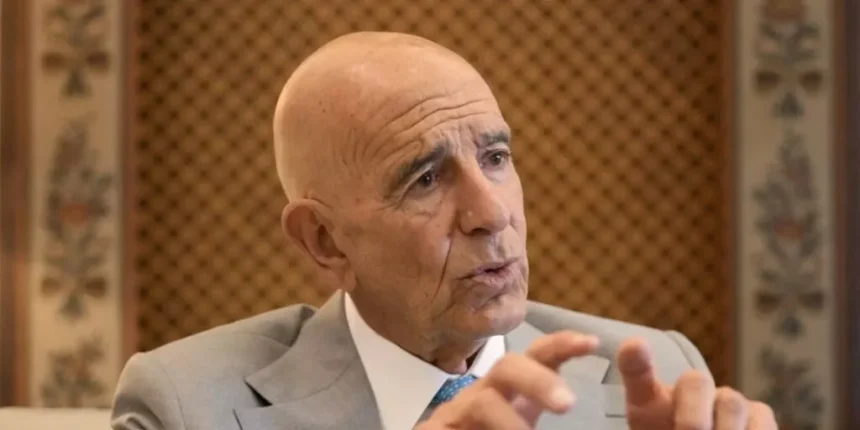
In an interview with Kathimerini, Barrack, a notable figure in Donald Trump’s inner circle, articulated the US intention to foster a collaborative environment between the two nations. He compared the prospective role of the US to that of mortar binding bricks, suggesting a focus on creating stable communication channels, rather than traditional diplomatic efforts alone. “President Trump and I wondered if we could act as mortar, like what joins two bricks,” Barrack stated.
Context of Increased Regional Activity
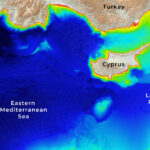
Barrack’s remarks come at a time of heightened activity in the Eastern Mediterranean, with recent developments such as the EEZ agreement between Cyprus and Lebanon stirring discontent in Ankara. Additionally, discussions surrounding Greece’s proposal for a 5×5 dialogue forum are gaining traction. Although this forum is still in its nascent stages, Barrack’s comments indicate that the US is closely monitoring these initiatives and may be inclined to take a more active role if the situation permits.
The Importance of Institutional Communication
Highlighting the significance of communication, Barrack emphasised that “everything starts with communication—and communication is fuelled by prosperity, not by fear.” His vision includes establishing a cooperation platform that could foster trust and create a more stable outlook for both countries and the wider region.
A New Regional Order
Barrack envisions a cohesive framework where the Eastern Mediterranean can evolve into a landscape of cooperation rather than a source of constant tension. He argued that achieving this would necessitate a “new regional order” rooted in connectivity and mutual economic benefits. This perspective aligns with a broader understanding that prosperity can help mitigate political complexities.
Connecting Historical Context with Current Geopolitics
In discussing the current geopolitical landscape, Barrack drew parallels with historical trade routes such as the Silk Road, which once facilitated connections between East and West. He suggested that the potential for a “Caspian to Mediterranean formula” could unlock significant energy reserves, linking them to broader markets through Greece and Turkey. “Greece and Turkey are the gateway,” he affirmed, underscoring the importance of regional cooperation in addressing energy needs.
The Role of Cyprus in Negotiations
Central to these discussions is the role of Cyprus, which Barrack described as essential. He articulated that “you cannot have an abscess in the middle of an otherwise healthy body,” stressing that Nicosia must be integrated into any comprehensive settlement. This viewpoint aligns with the American stance promoting solutions that encompass the entire regional context, rather than isolated agreements.
Exploring Informal Communication Channels
Barrack’s comments have reignited speculation in Greek media about the potential involvement of Massad Boulos, Donald Trump’s in-law, as an informal conduit for future Greek-Turkish dialogues. Some analysts believe that Boulos could play a limited but significant role in facilitating discreet communications if political will exists.
The Potential for Parallel Channels
There are indications that the White House may be contemplating alternative communication pathways, possibly involving individuals from Trump’s inner circle. While there are no overt signs of a formal plan or assignment for Boulos, the discussions surrounding his potential involvement suggest an interest in utilising a flexible, informal network to enhance diplomatic efforts between Athens and Ankara.
Building a Network for Rapprochement
The presence of influential figures like Barrack and Kimberly Guilfoyle within Trump’s inner circle creates an environment where Washington might leverage a diverse network to support a coordinated approach to rapprochement. This flexibility could be crucial in navigating the complexities of Greek-Turkish relations and fostering a more cooperative regional landscape.
Monitoring Developments
As both nations grapple with ongoing tensions and territorial disputes, the US’s willingness to act as a mediator could play a pivotal role in shaping future relations. Barrack’s comments reflect a proactive stance from Washington, signalling that the US is prepared to engage in supporting dialogue and collaboration in the Eastern Mediterranean.