teacher evaluation — The rejection of the teacher evaluation scheme highlights a significant resistance to change within the educational landscape, according to Education Minister Athena Michaelidou. Ahead of discussions at the House education committee meeting, she asserted that the core issue is not a lack of dialogue but rather a refusal to adapt.
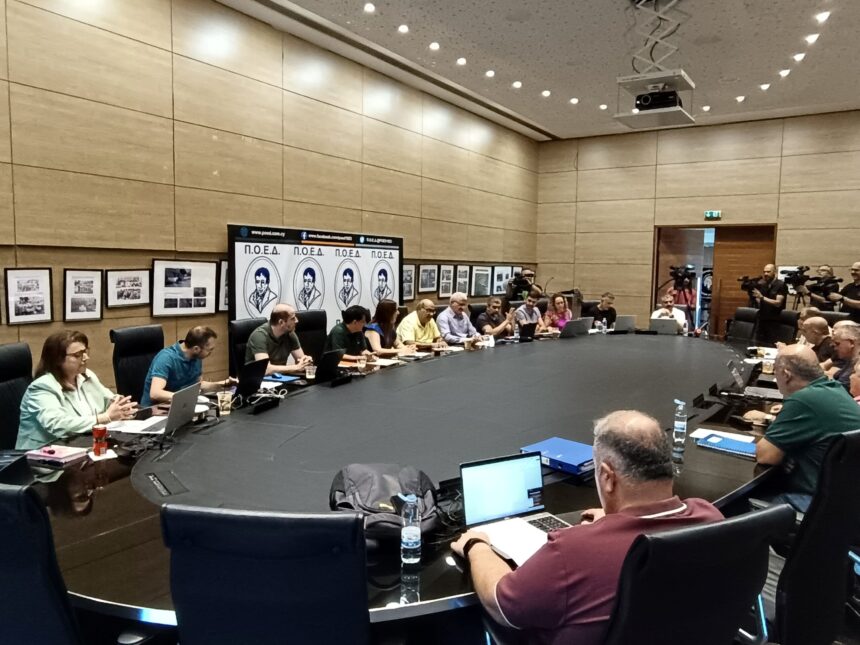
The teachers’ union, Poed, convened its 100-member council this week to scrutinise the latest amendments proposed by the education ministry. Despite previous consultations, they ultimately decided to reject the reforms, citing a failure to address concerns raised during discussions.
Myria Vasiliou, president of Poed, emphasised that the union’s objections stem from unresolved disagreements, particularly regarding the role of headmasters in the evaluation process and the overall structure of the monitoring committee. This tension illustrates deeper issues within the current educational framework.
Demetris Taliadoros, president of the competing union Oelmek, reiterated concerns that the proposed bill contains ambiguous clauses and contradictions, especially about the responsibilities assigned to secondary administrators. He pointed out the lack of adequate support structures, such as pedagogical advisors or assistant principals, which complicates the implementation of the reforms.
As discussions continue, Taliadoros has requested a meeting with other educational organisations to seek a coordinated response. Meanwhile, Michaelidou defended the reform efforts, insisting that extensive dialogues had led to significant agreements over the past year. She believes the evaluation reform is crucial for revitalising public education, enhancing motivation, and ensuring ongoing support for teachers.
“We cannot leave children and teachers trapped in the existing system, which has received minimal modifications for fifty years,” she argued. Her call for action underscores the urgency of reform, warning that resistance could lead to a regression reminiscent of the 1970s.
The tension is palpable, not just among unions but also within the ranks of those tasked with implementing the evaluation scheme. The secondary education inspectors branch (Keme) of Pasydy expressed concerns about the proposal, stressing that any evaluation system must function as a tool for improvement rather than a bureaucratic hurdle.
Keme representatives highlighted the need for evaluation to embody dialogue, trust, and support, rather than punishment. They also pointed out that inspectors currently juggle a myriad of responsibilities, including guiding teachers, conducting evaluations, and managing administrative tasks, yet staffing levels remain stagnant.
“Essential formative support for teachers, which is the heart of the reform, cannot be implemented without sufficient time and staff,” the union branch stated, highlighting systemic issues that need addressing. They took issue with the ministry’s proposal to create 24 new positions, labelling it undocumented, and warned against splitting inspectors’ roles into evaluators and consultants, fearing it would exacerbate workloads and disrupt continuity.
The sentiment among Keme is clear: they seek proportional staffing increases relative to the growing demands of schools and teachers. They advocate for a unified advisor-evaluator role to ensure consistent evaluations and urge for transparent criteria that focus on quality, alongside a clear complaints process managed by knowledgeable inspectors.
“We are not asking for privileges, but for essential conditions to do their job properly,” Keme declared, underscoring a collective desire for a supportive framework in which educators can thrive.