charity fundraising — charity fundraising — The focus on Philippa Karsera Christodoulidou (PKC) has intensified with the recent revelation of the Independent Agency of Social Support’s audited accounts for 2023 and 2024. The first lady’s ability to amass significant funds, primarily from undisclosed sources, stands in stark contrast to her husband’s promises of transparency in governance. This situation echoes a growing sentiment among critics who question the ethical implications of such fundraising practices within the political sphere.
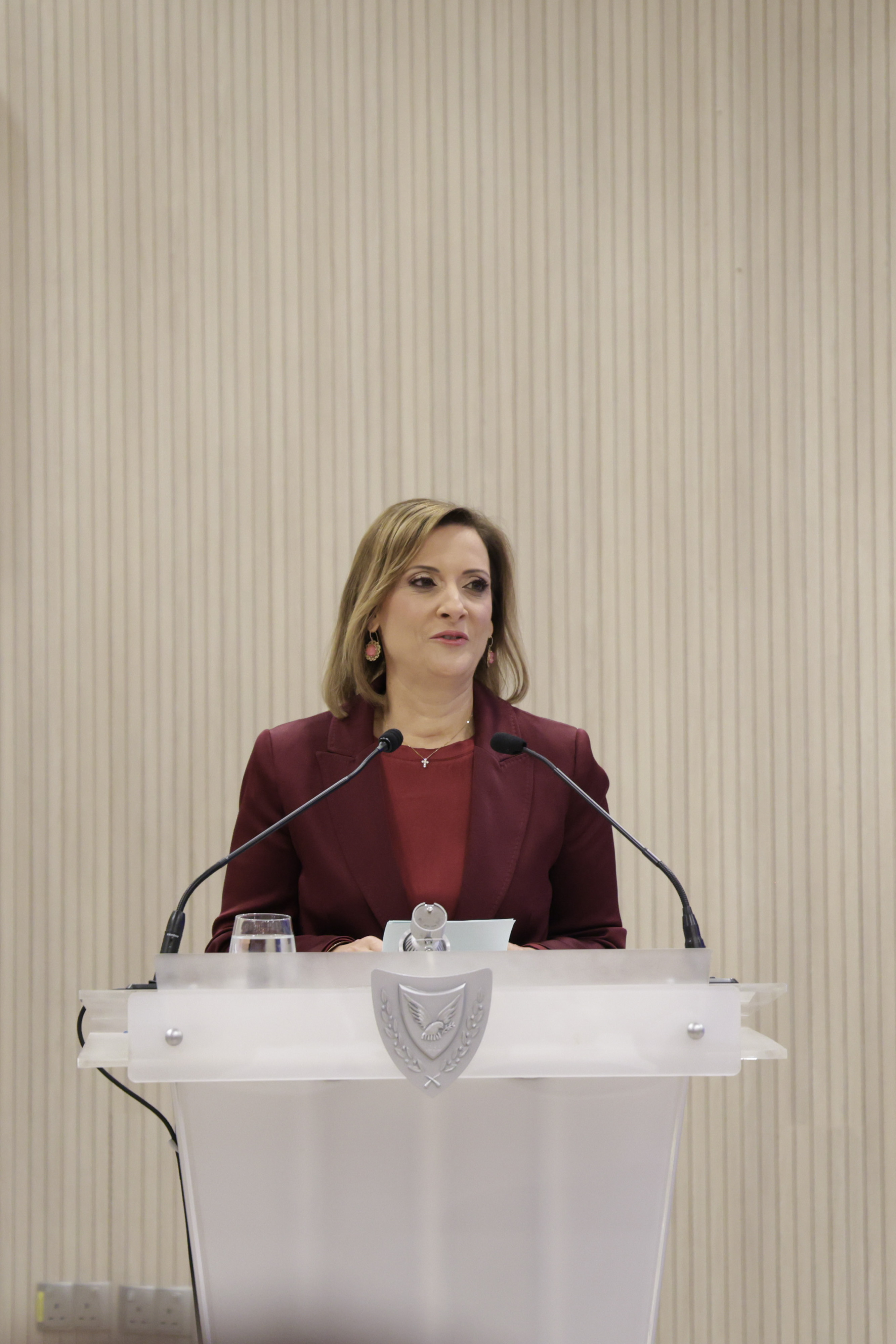
Photo: cyprus-mail.com
President Prezniktwo’s unwavering defence of donor anonymity has further fuelled the controversy. He has referred legislation that mandates the disclosure of any donations exceeding €5,000 to the Supreme Court, raising questions about the constitutionality of transparency in political donations. The president’s commitment to maintaining the confidentiality of contributors has been interpreted by many as a move to shield potential conflicts of interest.
While the administration justifies its stance by claiming that revealing donor identities could hinder charitable contributions, critics argue that this lack of transparency undermines public trust. The late President Tof’s legacy of palace charity, begun with a substantial donation aimed at securing government favours, seems to have evolved into a more complex web of financial dealings that now includes substantial annual collections by PKC.
Under her stewardship, the Agency has seen a staggering increase in funds raised—from €260,000 in 2022 to €2.26 million in 2023. This dramatic leap in fundraising raises eyebrows, particularly when considering that approximately €1.72 million remained unspent in 2023, alongside a projected surplus of €573,000 for 2024. The implications of such surplus funds, particularly in a time when claims of student financial distress are rampant, are troubling for many.
At a recent event celebrating the Agency’s decade of operation, PKC outlined the agency’s purpose of providing financial aid for rent and tuition fees to students in need. However, the suggested necessity for such support amidst rising claims of dependency on state handouts has left many questioning the efficacy and intent behind the initiative.
In parallel, student organisations like the Progressive Movement of Students have voiced their frustration over diminishing state support, arguing that current conditions necessitate a substantial increase in grants rather than dependence on charitable contributions. They contend that students deserve dignified and substantial aid, rather than what they perceive as charity.
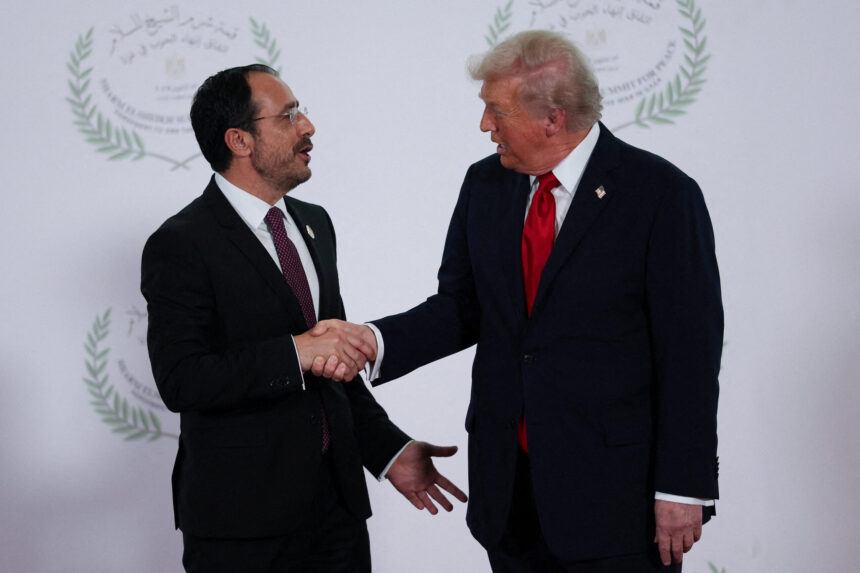
The political landscape further complicates the narrative as Prezniktwo recently made headlines during his attendance at a high-profile diplomatic event in Sharm el-Sheikh, where he was seen alongside world leaders. His presence was touted as a sign of Cyprus’s growing diplomatic stature. Yet, the president’s claims of having brought a six-point plan for peace discussions between Israel and Hamas were met with scepticism, particularly given the ceremonial nature of the gathering.
Despite the apparent elevation of Cyprus’s diplomatic standing, the lack of details regarding his proposed plan and its reception has led to speculation about his role in international negotiations. The ambiguity surrounding the president’s contributions to such discussions begs the question of whether Cyprus is truly becoming a stabilising force in the region or merely a bystander wrapped in political theatrics.
The ongoing narrative surrounding PKC’s fundraising tactics and the president’s diplomatic ambitions illustrates a significant disconnect between the promises of transparency and the realities of governance. As the political landscape continues to unfold, the implications of these actions for the future of both charitable contributions and international relations remain to be seen.