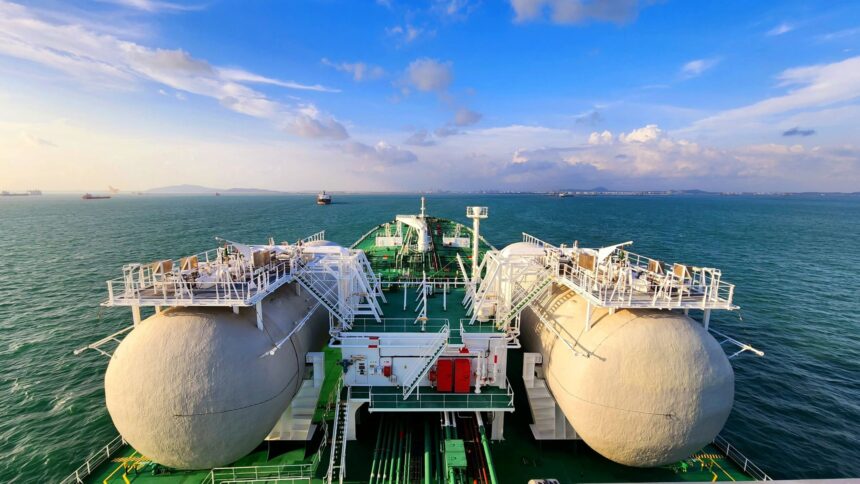
Columbia Group believes that dual-fuel ships will dominate global orders through 2025, positioning LNG-powered vessels as the most viable solution in the absence of a scalable zero-carbon alternative.
The Cyprus-based company anticipates that by the end of 2025, approximately half of all new-build orders will consist of dual-fuel ships, with LNG propulsion expected to power nearly 70 per cent of these vessels. This trend reflects a pragmatic response from shipowners and operators to tightening regulations and uncertainties regarding future fuels.
Regulatory Pressures Driving Change
Duncan McLennan, Group Director, Technical at Columbia Shipmanagement, highlighted the increasing legislative pressures faced by shipowners. In response, he noted that LNG has emerged as a bridging technology, enabling compliance with existing standards while providing a reliable option for the next decade.
“Dual-fuel designs give operators flexibility and reduce exposure to both regulatory and commercial risks,” McLennan explained. However, he also cautioned that transitioning to dual-fuel systems presents its own set of challenges. The complexity of these systems, combined with higher capital costs and demanding fuel management requirements, necessitates careful planning and operational oversight.
Training for the Future
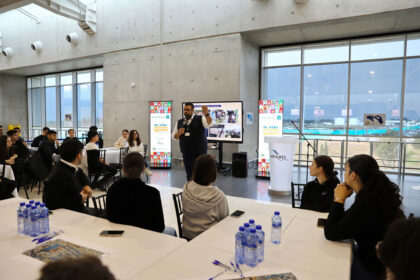
To navigate these challenges, Columbia has expanded its crew training programmes, placing a strong emphasis on practical preparation. The company has introduced simulator-based training that complements traditional classroom learning, focusing on critical areas such as fuel switching, cryogenic handling, and emergency procedures.
McLennan stressed that effective training must extend beyond theoretical knowledge. Drawing from Columbia’s extensive experience in managing dual-fuel tankers, he emphasised the importance of practical preparation in ensuring safe and efficient operations.
Investing in Digital Solutions
Columbia Group is also investing in digital optimisation to enhance operational efficiency. Tools like EngineLink and POCR are designed to support fuel mode optimisation, predictive maintenance, and emissions reporting. These platforms enable real-time comparisons between LNG and conventional fuels, helping to identify engine anomalies and capture methane slip data for regulatory compliance.
Mark O’Neil, president and CEO of Columbia Group, noted that dual-fuel vessels are intricate machines that demand more than just technological solutions. “It requires the right blend of human skill, operational expertise, and digital support,” he said, reiterating Columbia’s commitment to integrating these elements for safe and sustainable outcomes.
The Role of Dual-Fuel Ships in Maritime Transition
While acknowledging that dual-fuel ships are not the ultimate answer to the industry’s fuel challenges, O’Neil described them as a critical bridge. “With the right management, they give shipowners the opportunity to operate more safely, sustainably, and efficiently as the industry awaits a more widely accepted alternative fuel,” he concluded.