The government is currently studying the prospect of making a €25 million payment to Greece’s independent transmission system operator, Admie, to support the Great Sea Interconnector project. Finance Minister Makis Keravnos confirmed this on Tuesday following a cabinet meeting, emphasising the need to ensure various aspects of the project are viable.
Great sea: Potential Benefits of the Project
If realised, the Great Sea Interconnector will connect the energy grids of Cyprus, Greece, and Israel, potentially leading to reduced energy prices for consumers. However, Keravnos expressed that careful consideration is necessary to confirm the financial viability of the initiative.
Regulatory Approval and Concerns
The Cyprus energy regulatory authority (Cera) has provisionally approved the €25 million payment, which is set to be the first of five annual instalments to Admie. Despite this approval, the government must authorise the payment before it proceeds. Keravnos has voiced concerns regarding Cera’s decision-making process, questioning the criteria and logic behind it, especially given the project’s uncertain status.
Financial Implications for Taxpayers
Keravnos highlighted a dilemma: while the government aims to avoid imposing additional costs on consumers, the €25 million payments, if approved, would ultimately be funded through taxpayers. He pointed out that taxpayers are also consumers of electricity, raising questions about the sustainability of financing such projects through public funds.
EU Regulations and Funding Challenges
Initially, Cyprus intended to use funds from the European Union’s emissions trading system (ETS) to fulfil these payments. However, Admie warned that this funding source might contravene EU state aid regulations, prompting Cera to consider charging consumers directly instead. This shift could create a financial burden on both taxpayers and consumers.
Project Readiness and Timeline
When asked about the timeline for a decision regarding the payment, Keravnos noted that his ministry is not currently examining the matter in detail. He stated that technical issues are being explored by other ministries. He indicated that his position would change if the project were in the implementation stage and making good progress, which is not the case at present.
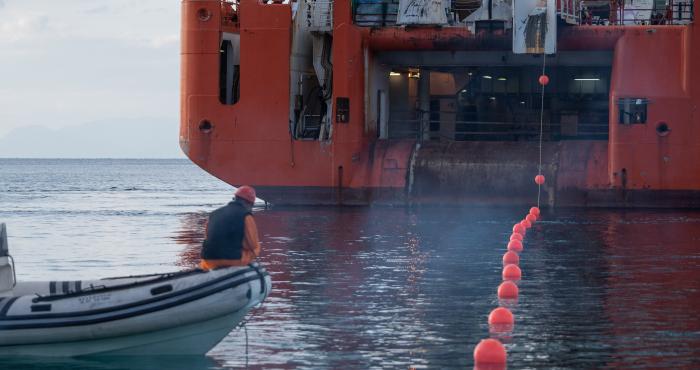
Keravnos mentioned that seabed surveys essential for determining cable placement have not yet been completed, an important step in assessing the total cost of the project. “We are not in a position to know what the project will cost in total,” he remarked.
As discussions continue, it remains to be seen how the government will navigate the complexities surrounding the Great Sea Interconnector and its funding. The interplay between regulatory approvals, financial obligations, and project feasibility will be crucial in shaping the future of this ambitious energy initiative.