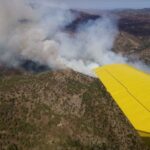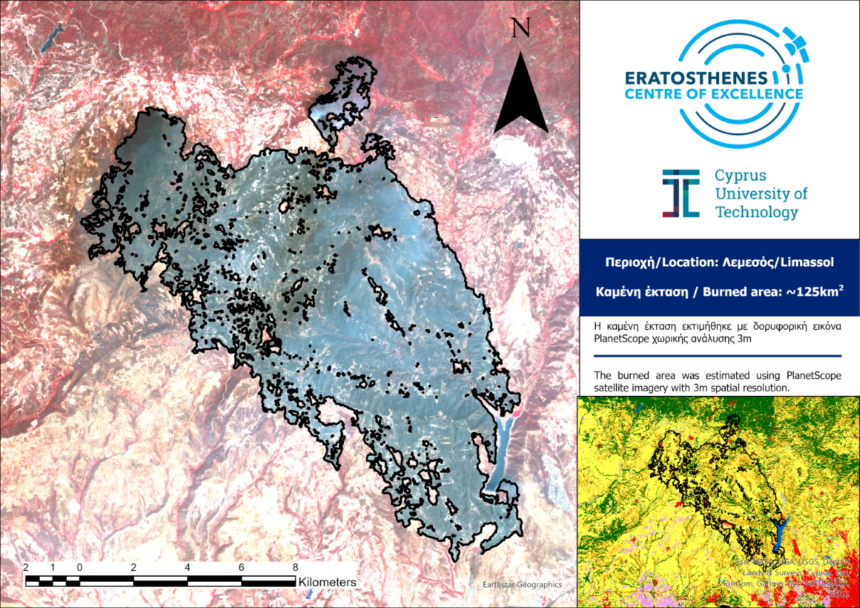
The recent devastating wildfire in the Republic of Cyprus has left a significant scar on the landscape. The fire, which erupted in the Limassol district on a Wednesday afternoon, ultimately consumed approximately 125 sq.km of land before being extinguished late Thursday, as shown by satellite analysis from a locally-based research centre.
Impact of the Wildfires on Limassol’s Communities
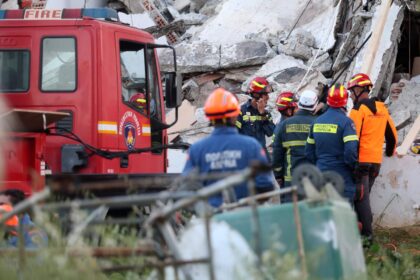
This catastrophic event, exacerbated by a combination of fierce winds and almost record-breaking temperatures soaring to 45 degrees Celsius, tragically claimed the lives of two individuals. Furthermore, it posed a serious threat to numerous villages located in the region known for its acclaimed vineyards, leading to the evacuation of 14 communities. Initial speculation by the fire service pointed to arson as a potential cause; however, the government quickly sought to counter these claims amid mounting criticism regarding their response capabilities.
Assessing the aftermath with advanced technology, the Eratosthenes Centre of Excellence, established by the Cyprus University of Technology (Tepak) in Limassol, employed high-resolution PlanetScope satellite data to provide a thorough evaluation of the fire’s impact. Their preliminary findings indicated a significant diversity in the types of land burnt, as highlighted by data collected from the WorldCover Programme of the European Space Agency (ESA).
Analyzing the Damage: A Detailed Satellite Assessment
The analysis by the Eratosthenes Centre revealed that the fire predominantly affected various vegetation types. Specifically, 50% of the burned area comprised grasslands, while sclerophyllous vegetation accounted for 31%. Tree cover suffered as well, representing 16% of the total area destroyed, with a mere 1.3% involving built-up regions. It’s worth noting that these figures reflect the active nature of the fire at the time of image acquisition, leading to potential discrepancies that will be clarified in subsequent assessments as new satellite imagery becomes available.
Following its establishment in 2007, the Eratosthenes Centre has transformed into a pivotal digital innovation hub and a premier research centre. Achieving autonomy in 2019, the Centre benefits from substantial funding of €38 million from both the European Union and the Republic of Cyprus. Its mission revolves around leveraging space technologies and earth observation data to address a range of pressing environmental challenges.
The Broader Context of Wildfires in Cyprus
Wildfires have become an increasingly alarming occurrence in Cyprus, particularly during the summer months when high temperatures and dry conditions prevail. This recent incident has amplified discussions about disaster preparedness and response strategies. Critics have pointed out the necessity for improved infrastructure and resources to manage such emergencies effectively. The devastation not only has immediate environmental repercussions but also long-term impacts on the local economy, especially in agriculture and tourism, sectors that greatly rely on the natural beauty and biodiversity of the island.
In light of the calamity, there is a heightened call for policymakers to enhance fire prevention strategies and community awareness campaigns aimed at mitigating the risks associated with future wildfires. Collaboration with local and international bodies can promote better practices and technologies to forecast and combat the hazards that climate change continues to exacerbate.
Moreover, the growing threat of wildfires necessitates an integrated approach that involves local communities in fire management efforts. By fostering educational programmes and workshops, residents can understand the importance of fire safety and engage in proactive measures to protect themselves and their properties.
As Cyprus reflects on the recent wildfire’s consequences, the focus must shift towards resilience and recovery. It’s imperative that lessons learned lead to actionable change that benefits both the environment and the socio-economic fabric of the Republic. The resilience of Cypriot communities, alongside advancements in technology and resource management, will be crucial in the journey towards a more sustainable and safer future.