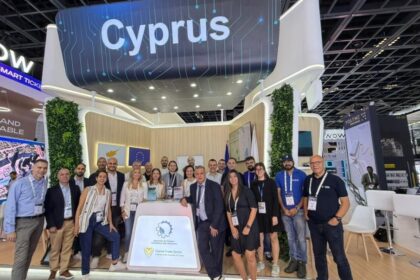
As the Republic of Cyprus navigates a new era of technology, addressing cybersecurity and AI integration is crucial for its digital future.
Cyprus: A Growing Focus on Cybersecurity
In a world increasingly reliant on digital infrastructures, cybersecurity has emerged as a vital area of concern for nations worldwide, including the Republic of Cyprus. The rise of cyber threats, ranging from ransomware to data breaches, underscores the urgent need for enhanced security measures.
As part of its commitment to improving cybersecurity, Cyprus has adopted the NIS 2 Directive, which aims to bolster the security of network and information systems across the EU. This regulation places an emphasis on critical sectors, including energy, transport, and healthcare, mandating cybersecurity strategies and the reporting of incidents. By aligning with EU directives, Cyprus hopes to create a safer digital environment while enhancing resilience against cyber attacks.
Local Cybersecurity Initiatives
Various organisations and governmental bodies are actively involved in advancing cybersecurity in Cyprus. The Department of Electronics and Communications, under the Ministry of Transport, Communications, and Works, plays a pivotal role in driving digital policy. Collaborating with private sector stakeholders, they aim to promote cybersecurity awareness and enhance skills across the workforce.
Moreover, the establishment of the National Cybersecurity Centre has become a cornerstone of the nation’s strategy. This body offers guidance, shares intelligence on potential threats, and coordinates response efforts in case of cyber incidents. Despite these advancements, a notable skills gap persists, with many institutions still struggling to find trained cybersecurity professionals to meet the growing demand.
AI: Changing the Landscape of Cybersecurity
Artificial Intelligence (AI) is playing an increasingly pivotal role in enhancing cybersecurity frameworks. By employing AI-driven tools, cybersecurity experts can detect anomalies, identify vulnerabilities, and respond to threats more swiftly than ever before. In Cyprus, several tech firms are harnessing AI to develop solutions tailored to the local market’s unique challenges and needs.
For instance, AI algorithms can analyse vast amounts of data to identify patterns that may indicate a cyber threat. By automating these processes, organisations can free up valuable human resources to focus on more complex issues, thereby enriching their cybersecurity posture.
The Future of AI and Cybersecurity in Cyprus
Looking ahead, the integration of AI into cybersecurity operations presents both opportunities and challenges. While AI can improve threat detection and response times, it also creates new avenues for cybercriminals. As attackers use AI to craft more sophisticated threats, businesses and governmental agencies in Cyprus must remain vigilant.
Continuous investments in cybersecurity education and training are essential to building a workforce capable of leveraging AI effectively while mitigating its risks. By fostering collaboration between academia, government, and industry, Cyprus can create an ecosystem that supports innovation while ensuring the security of its digital landscape.
Legislation and Initiatives Shaping Cypriot Cybersecurity
Alongside the NIS 2 Directive, other pieces of legislation are shaping the future of cybersecurity in Cyprus. The Digital Services Act (DSA) underlines the necessity for accountability from digital services, pushing platforms to uphold safety standards that align with public expectations.
The Cypriot government actively encourages public-private partnerships to foster development in cybersecurity. Initiatives aimed at creating a ‘Cybersecurity Competence Centre’ are also on the horizon, expected to facilitate research and collaboration with EU partners. Such developments illustrate Cyprus’s commitment to aligning with international standards while dealing with emerging threats in a digital economy.
Conclusion: Building a Secure Digital Future
As Cyprus continues to embrace digital transformation, the roles of cybersecurity and AI will become increasingly prominent. Effective legislation, coupled with technological innovations and workforce development, will lay the groundwork for a robust cybersecurity framework.
In addressing existing skills gaps and enhancing AI capabilities, Cyprus can not only protect its digital assets but also position itself as a competitive player in the EU’s digital landscape. By prioritising these areas, the Republic of Cyprus can pave the way for a secure, innovative, and resilient future.