The recent tragedy in Kuwait raises urgent concerns about alcohol safety and public health risks in Cyprus.
The Rising Threat of Methanol Poisoning
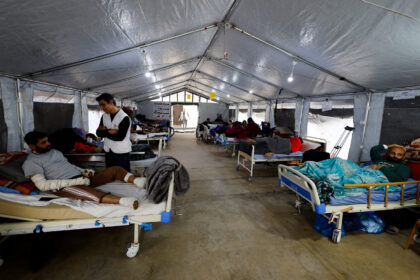
The alarming reports from Kuwait, where 63 individuals fell victim to methanol poisoning from tainted alcoholic drinks, offer a stark reminder of the dangers posed by illicit alcohol consumption. The situation there, which resulted in 13 fatalities and numerous hospitalisations, has sparked conversations surrounding alcohol safety, particularly for countries like Cyprus, where a significant expatriate community coexists with local populations.
The Kuwaiti health ministry’s announcement details how this incident has disproportionately affected Asian nationals, many of whom turned to illegal alcoholic products due to the strict prohibition on alcohol in the country. Such incidents underscore the critical importance of monitoring and regulating the alcohol supply chain, a concern that resonates deeply in Cyprus, known for its own dynamic alcohol culture.
Understanding the Context: Alcohol Regulations in Cyprus
Cyprus enjoys a relatively liberal attitude towards alcohol consumption compared to many countries in the region. With an established wine and spirits industry, the island has long been a popular destination for tourists seeking local beverages, such as Commandaria and Zivania. However, this accessibility can sometimes result in unlicensed or poorly regulated alcohol entering the market.
In Cyprus, while legal regulations exist, the increasing popularity of home-produced and imported craft spirits poses challenges for consumer safety. The Ministry of Health has laboured tirelessly to implement stricter guidelines on alcohol production and distribution. However, incidents similar to the one in Kuwait can serve as an unsettling reminder of potential lapses in safety standards.
Public Health Implications for Cyprus
The repercussions of the Kuwaiti incident extend beyond its borders and pose significant implications for public health in Cyprus. If unchecked, the rise in illicit alcohol consumption could bring about similar health crises, prompting the need for heightened awareness and proactive measures from both government and regulatory bodies.
With the potential threat of methanol poisoning lurking unseen, the Cypriot government may need to reform existing alcohol regulations to ensure that production and distribution meet safety standards. Consumers should also be educated about the risks associated with consuming alcohol from unverified sources.
Recommendations for Improved Safety and Awareness
- Stricter Regulation: The government should consider implementing more stringent regulations on alcohol production and distribution to mitigate the risks associated with illicit products.
- Public Awareness Campaigns: Initiatives aimed at educating consumers on the dangers of methanol poisoning and how to identify safe alcoholic beverages can empower individuals to make informed choices.
- Collaboration with Health Agencies: Engaging local and international health organisations would provide valuable partnerships in establishing comprehensive safety protocols for alcohol-related health risks.
- Monitoring and Reporting Systems: Developing efficient systems for reporting incidents of poisoning related to alcohol consumption can lead to faster response times and preventative measures.
In conclusion, the tragic events in Kuwait should serve as a catalyst for Cyprus to review its own alcohol regulations and consumer safety measures. Given the potential for similar incidents, proactive steps must be taken to ensure that public health remains a priority, protecting the wellbeing of all residents and visitors alike. As Cyprus continues to thrive as a vibrant hub of culture and gastronomy, ensuring the safety of its alcohol industry must be paramount to safeguard both consumers and the island’s reputation.