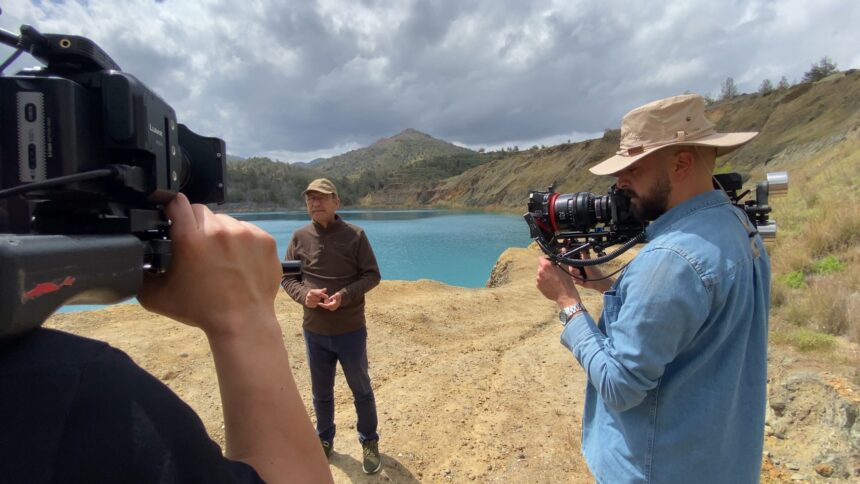
The documentary series Pleiades: Victims of the Serial Killer takes an unflinching look at the horrifying crimes committed by Nikos Metaxas, the first known serial killer in Cyprus. Directed by Andreas Sheittanis and Paris Prokopiou, this in-depth exploration delves into a tragic period that forever altered the island’s history.

Photo: cyprus-mail.com
The project was born from Prokopiou’s extensive research into the Mitsero murders, which he shared with Sheittanis during a pivotal conversation in 2022. Their shared passion for true crime led them to choose a documentary format, recognising that the real-life accounts of the victims would resonate more deeply than any fictional portrayal.
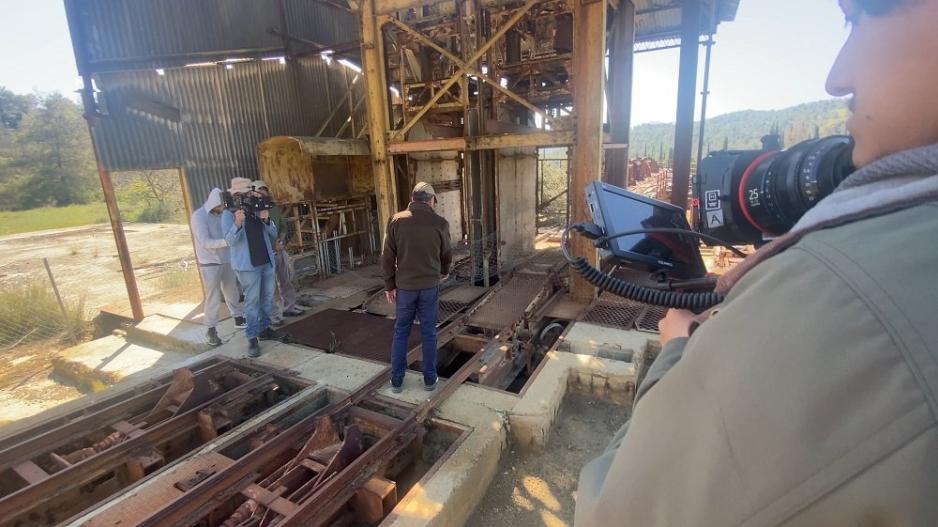
Photo: cyprus-mail.com
Serial killer: Unraveling a Grim Narrative
Between September 2016 and July 2018, Metaxas, a former National Guard officer, abducted and murdered five migrant women and two young children. The chilling discovery of the first victim, Mary Rose Tiburcio, occurred on April 14, 2019, when a group of photographers found her body in a flooded mine shaft near Mitsero. Tiburcio, aged 38, had been missing for nearly a year along with her six-year-old daughter, Sierra Grace.
The investigation that followed revealed a disturbing pattern. Tiburcio had been in contact with Metaxas on the dating app Badoo, leading detectives directly to him. After his arrest, he confessed to a two-year spree of abduction and murder, which began with the tragic deaths of Livia Florentina Bunea and her daughter in 2016, and included four other women from various backgrounds.
A Search for Justice
The documentary examines not just Metaxas’s actions but also the systemic failures that allowed them to occur. Activists and community leaders had long warned authorities about the plight of missing migrant women, yet their concerns fell on deaf ears. Sheittanis emphasises that had the police acted on early leads, many lives could have been saved.
“Had police accessed phone records or geolocated IP addresses back in 2016, the lives of the subsequent five victims could have been saved,” he reflects, pointing to a societal complacency that enabled Metaxas to operate with impunity.
Victims at the Forefront
Pleiades is named after the seven daughters of the Titan Atlas, symbolising the lives lost to Metaxas’s brutality. Each of the six episodes is dedicated to a victim, highlighting their stories and the impact of their loss on families and communities. The final episode, titled Orion, shifts focus to the killer himself, offering a stark contrast to the previous narratives.
Access to police files, crime scene footage, and interviews with families deepens the impact of the documentary. Sheittanis and Prokopiou ventured to the Philippines, Nepal, and Romania to connect with the victims’ families, revealing their backgrounds and dreams.
Breaking the Silence
The filmmakers intended to approach the subject with sensitivity, steering clear of sensationalism. “We wanted to have a more humane approach to the story,” Sheittanis states, underscoring the need for a focus on the victims rather than glorifying the killer.
The series also raises uncomfortable questions about societal attitudes towards domestic workers. Many of the victims were migrant women living in Cyprus, often treated as invisible within the community. Sheittanis challenges viewers to consider how societal neglect contributed to Metaxas’s horrific acts.
The Journey of Creation
Initially, Sheittanis and Prokopiou anticipated a quicker production timeline, but as they delved deeper into the story, it evolved into a comprehensive project that consumed years of their lives and finances. Self-funded, they relied on the support of friends and colleagues who believed in their vision.
The series premiered on May 16 and 17 at Nicosia’s Pantheon Cinema, garnering praise from viewers. However, local broadcasters have yet to pick it up, prompting discussions about self-distribution. The filmmakers remain optimistic that screening in Greece will generate interest back home.
The experience has been transformative for both directors. “It was an unforgettable, life-changing experience,” Sheittanis shares. The documentary stands as a legacy, a vital piece of storytelling that aims to provoke thought and foster discussions about justice and humanity.