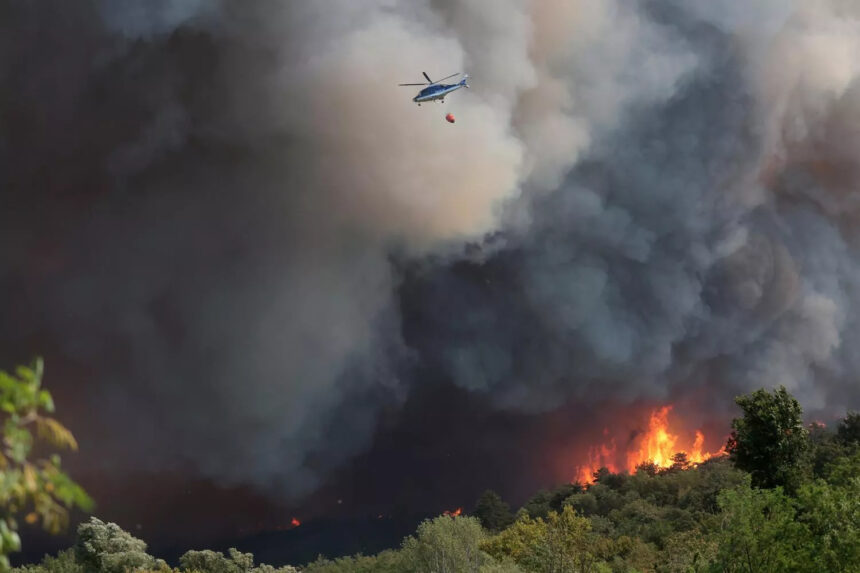
Cyprus is set to become a pivotal location for aerial firefighting efforts with the establishment of the Cyprus Regional Aerial Firefighting Station (CRAFS). This initiative is part of the EU’s largest wildfire response operation as the region braces for a 2026 fire season predicted to bring above-normal temperatures and severe drought.
Aerial firefighting: Strategic Firefighting Operations in the Mediterranean
The new station will house six Air Tractor aircraft, comprising two light planes from the rescEU reserve and four additional units funded through various EU mechanisms. This setup aims to enhance readiness in the southern Mediterranean, where the risk of wildfires is escalating.
Training and Knowledge Exchange Opportunities
Beyond aircraft deployment, CRAFS will function as a training and exercise venue for civil protection professionals. This facility is designed to facilitate knowledge transfer and best practices among firefighting teams, ensuring a well-prepared response to wildfires.
Forecasting a Challenging Fire Season
Seasonal forecasts for June to September 2026 indicate a troubling combination of above-average temperatures and severe drought conditions across the Mediterranean, leading to an increased likelihood of wildfires. The European Forest Fire Information System (EFFIS) has reported a concerning upward trend in both the number of fires and the area affected across the EU from 2006 to 2026. Notably, Cyprus experienced a dramatic increase in burned area at the end of 2025, highlighting the need for vigilance and preparedness.
EU’s Record Wildfire Response Effort
The EU’s response operation is unprecedented, comprising three main components: 22 firefighting aircraft and five helicopters on standby, 777 firefighters from 14 European nations strategically deployed across affected countries, and a specialist team of 22 experts to monitor conditions and provide analysis. This level of coordinated support marks the highest participation rate since the EU Civil Protection Mechanism was established.
How the EU Civil Protection Mechanism Operates
The mechanism is activated when a nation’s resources are overwhelmed, allowing for a multi-layered response. This includes national capacities, the European Civil Protection Pool, and rescEU, which serves as a last-resort strategic reserve covering vital firefighting assets.
Funding and Long-Term Strategies for Wildfire Management
A comprehensive risk management strategy introduced in March 2026 addresses wildfires through prevention, preparedness, response, and recovery. This approach encompasses sustainable land management and ecosystem restoration, supported by significant EU funding sources, including €2.3 billion from the Cohesion Policy and €2.2 billion from the Recovery and Resilience Facility.
Specific to Cyprus, EU support includes initiatives to bolster civil protection capacity, the establishment of the ERATOSTHENES Centre of Excellence for fire prediction, and various research programmes under Horizon 2020 and Horizon Europe. These efforts aim to enhance firefighting capabilities and ensure adequate resources are in place for future challenges.