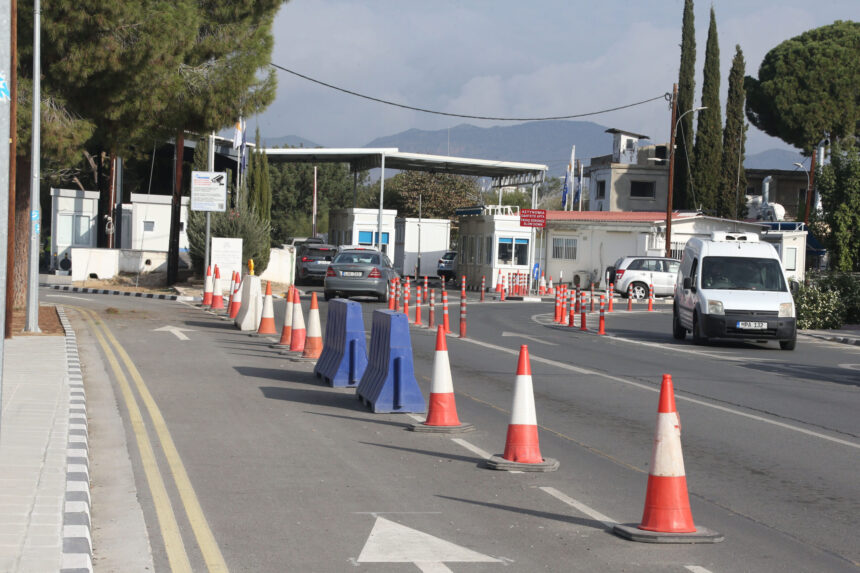
smuggling violations — Customs officials report approximately 300 smuggling violations each month at crossing points between government-controlled areas and the north. George Constantinou, spokesperson for the customs department, shared these figures during an interview with Sigma TV, highlighting the crossings’ ongoing significance for enforcement since their inception in 2003.
Constantinou characterised the situation as part of a persistent effort to combat illegal trade linked to the region. He noted, “The customs department has been designated by the European Commission as the guardian of the implementation of the Green Line regulation.” This regulatory framework aims to ensure that trade flows are monitored and controlled, particularly across these sensitive borders.
Among the recorded violations, most involve individuals carrying small quantities of goods. Tobacco products lead the list of seized items, followed by fuel and animal produce. The latter is scrutinised due to health concerns regarding livestock diseases, which have prompted increased vigilance from customs authorities.
Smuggling violations: Challenges at Unauthorised Crossings
Authorities have raised alarms over unauthorised crossing points along the buffer zone, which pose significant enforcement challenges. Constantinou remarked, “These are the most worrying points, as the quantities transported through them are many times greater than those detected daily at the roadblocks.” This situation underscores the complexities of controlling trade flows in a region marked by political and logistical hurdles.
Organised Smuggling Networks
The customs department has identified organised networks involved in the trafficking of tobacco products, including illicit cigarettes, rolling tobacco, and narghile molasses. These goods are often moved from the north into government-controlled areas and subsequently exported to third countries. Constantinou elaborated on a secondary route specifically targeting high-tax markets, particularly the United Kingdom, where intercepted consignments of tobacco have been discovered in passenger luggage at airports.
Drug Trafficking Insights
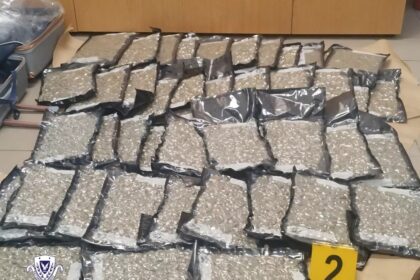
While Constantinou acknowledged that the occupied territories are not a primary source of drugs, he indicated that most drug seizures involve small quantities intended for personal use. Larger trafficking operations tend to be associated with airports, postal services, courier networks, and shipping containers. Recent enforcement actions have successfully intercepted multiple drug packages through coordinated customs efforts.
Heightened Inspections and Monitoring
In response to the ongoing concerns over animal disease transmission, customs authorities have intensified inspections at crossing points. This includes stricter checks on both vehicles and pedestrians, as well as calls for enhanced monitoring of unauthorised routes across the buffer zone. These measures reflect a proactive approach to managing both trade and public health risks in a complex and evolving landscape.