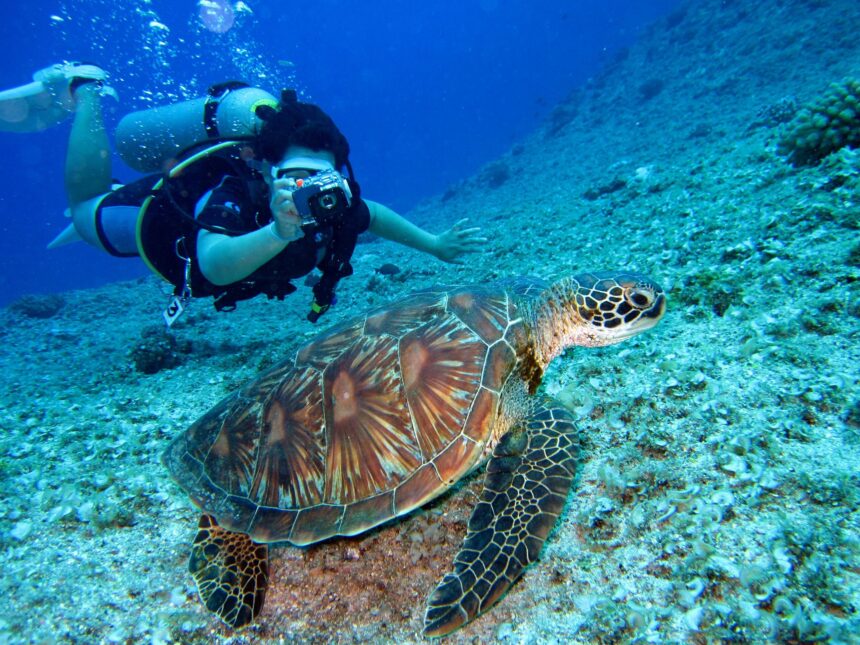
Plastic pollution in the Mediterranean is endangering the survival of sea turtles, as experts warn of the severe impact on marine life. Recent findings from the CRAM Foundation, a marine conservation organisation based in Barcelona, reveal alarming statistics regarding the health of these marine reptiles.
Plastic pollution: Rising Concerns Over Sea Turtle Health
In the past year, CRAM Foundation treated 98 sea turtles, the majority of which had ingested plastic waste. This statistic highlights the serious issue of plastic pollution affecting not only the turtles but also the entire marine ecosystem they inhabit. The foundation has been instrumental in documenting the effects of plastic on sea life, and their findings underscore the urgency for action.
Disturbing Findings from Recent Analyses
Analyses of 63 samples, which included faeces from recovering turtles and necropsy examinations, revealed that plastic was present in 74 per cent of cases. This prevalence indicates a troubling trend in the Mediterranean Sea, where plastic debris has become a common sight across marine environments. The presence of plastic in these habitats poses a significant risk to the health and well-being of sea turtles.
Health Implications of Plastic Ingestion
While the ingestion of plastic has not been directly linked to fatalities in the examined cases, researchers observed that many turtles exhibited signs of severe enteritis. This condition can lead to pain, loss of appetite, and weakened immune systems, making recovery challenging for affected turtles. Experts are concerned that the fragments of plastic not only cause physical harm but also exacerbate existing health issues.
Younger Turtles at Greater Risk
Particular concern has arisen for young Caretta caretta turtles, commonly found in the Mediterranean. Analyses showed that plastic debris was detected in 64 per cent of samples from this species. The vulnerability of young turtles to plastic pollution highlights the need for immediate intervention to safeguard their future.
Impact of Marine Debris on Turtle Populations
The CRAM Foundation’s report also documented 10 cases in 2025 of turtles entangled in marine debris or abandoned fishing gear. Of these, four required surgical amputation due to severe injuries sustained from the entanglement. Such incidents further illustrate the direct physical threats posed by plastic pollution and the broader impact on turtle populations.
A Chemical Threat in Addition to a Physical One
Experts from the CRAM Foundation have pointed out that plastic serves as a chemical threat in the marine environment. It can absorb and transport toxic substances, potentially harming not only turtles but the entire marine food chain. The implications of this contamination are extensive, affecting various species and ecosystems reliant on the same waters.
Urgent Call for Action
With over 1,400 turtles treated since its establishment, the CRAM Foundation emphasises the critical need for stronger action to combat marine plastic waste. Their findings starkly illustrate the impact of human activities on vulnerable species, urging stakeholders to consider the urgent need for initiatives aimed at reducing pollution in the Mediterranean basin.
Looking Ahead: Solutions and Strategies
Addressing plastic pollution requires a multifaceted approach involving government policies, community engagement, and scientific research. Efforts to reduce plastic waste, enhance recycling programmes, and raise public awareness about the consequences of pollution are essential steps towards protecting the Mediterranean’s marine life. Collaboration between organisations, governments, and local communities can foster a more sustainable future for sea turtles and other marine species.
The Path Forward for Sea Turtles
As the Mediterranean faces escalating challenges due to plastic pollution, the plight of sea turtles serves as a crucial indicator of the health of marine ecosystems. The ongoing research and advocacy efforts are vital in steering the conversation towards actionable solutions. Protecting these remarkable creatures not only preserves their species but also safeguards the intricate balance of life within the Mediterranean Sea.