The Cronos project is set to deliver its first gas by mid-2028, as confirmed by Energy Minister Michalis Damianou during a recent meeting in Cyprus. The ongoing negotiations are approaching their final stages, with optimism surrounding the timeline for natural gas production.
Damianou noted that while natural gas serves as a vital support for energy security in the short to medium term, there is a pressing need to assess infrastructure developments beyond 2030 in alignment with the European Union’s climate and clean energy objectives.
Strategic Developments in the Cronos Project
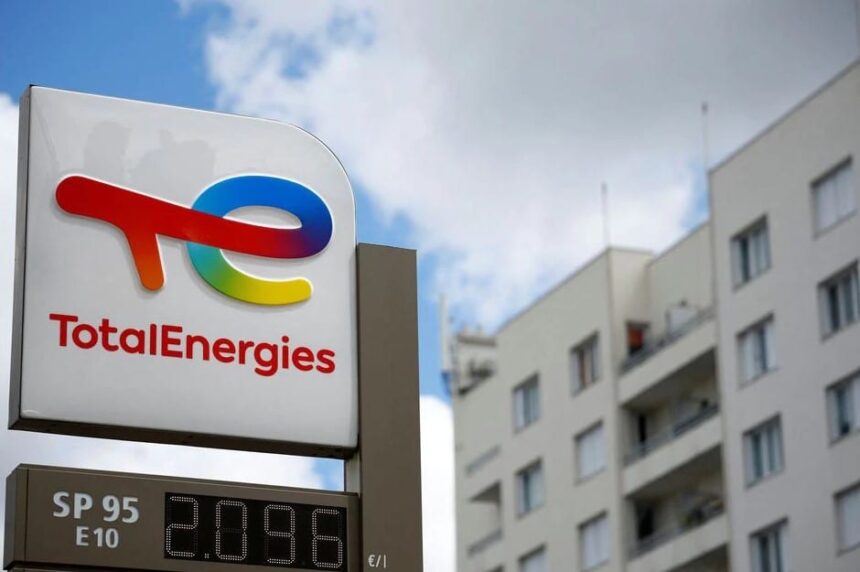
The Cronos gas discovery is being developed by a consortium comprising Eni and TotalEnergies. According to Damianou, if an agreement is reached within the next one to two weeks, the aim is to initiate gas flow by late 2027 or early 2028. He described this advancement as a significant boost for both Cyprus and the surrounding region.
Updates on Other Offshore Projects
In addition to the Cronos project, Damianou provided updates on other offshore developments. The Aphrodite field is progressing on schedule, with Chevron currently working on the front-end engineering and design (FEED) phase. This phase is expected to continue until January 2027, with a final investment decision anticipated within six months.
With these timelines, Cyprus is targeting first gas production from Aphrodite by 2030 or 2031, adhering to the established schedule. The gas produced will be transported to Egypt through a pipeline, further solidifying Cyprus’ role in the regional energy landscape.
Future Prospects with ExxonMobil
Minister Damianou also addressed the discoveries made by ExxonMobil, indicating that these developments are on track, with first gas projected for around 2033. This timeline is influenced by the technical requirements involved in bringing the gas to market.
Liquefied Natural Gas Supply to Europe
The minister expressed that Cyprus could potentially begin supplying liquefied natural gas to Europe within the next two years, contingent on the finalisation of progress on the Cronos project. He emphasised the role of natural gas as a “bridge fuel” in the transition towards cleaner energy sources and hydrogen technologies.
Fostering a Resilient European Energy Landscape
During the meeting chaired by Damianou, discussions centred around creating a competitive and resilient energy landscape for the EU. Key themes included the importance of coordinated action and accelerated electrification to mitigate dependence on imported fossil fuels.
Ministers also explored the critical role of electricity storage in maintaining grid stability. The focus was on ensuring a smooth transition to a climate-neutral economy by 2050, which includes identifying and removing regulatory barriers while strengthening cross-border cooperation.