lng markets — The ongoing conflict has severely affected LNG markets, with the closure of the Strait of Hormuz halting approximately 20 per cent of global LNG supply. This disruption has caused gas prices to surge by around 50 per cent from pre-war levels, reshaping the landscape for LNG exports.
The East Mediterranean region finds itself in an unexpected position of opportunity, as it could become a new LNG hub for surplus gas destined for Europe and Asia. Shell’s latest outlook suggests a long-term increase in global LNG demand, even amid the current volatility caused by the Middle Eastern conflict.
Lng markets: Long-term Demand Projections
According to Shell, LNG consumption, which stood at 423 million tonnes per annum (MTPA) in 2025, is projected to rise by at least 45 per cent, with estimates ranging between 610-780 MTPA by 2050. This growth is anticipated despite ongoing geopolitical tensions, particularly the Iran war, which has significantly impacted the global LNG supply chain.
Major Export Players and Capacity Expansion
The United States has emerged as the largest LNG exporter, with planned future exports potentially increasing capacity by 100 MTPA, bringing total exports to over 180 MTPA by 2030, which would represent one-third of global supply. Meanwhile, Qatar is pushing ahead with its North Field expansion, aiming to boost its export capacity from 77 MTPA to 142 MTPA by 2030. However, this ambition is now hampered by conflict-related challenges.
Impact of the Strait of Hormuz Closure
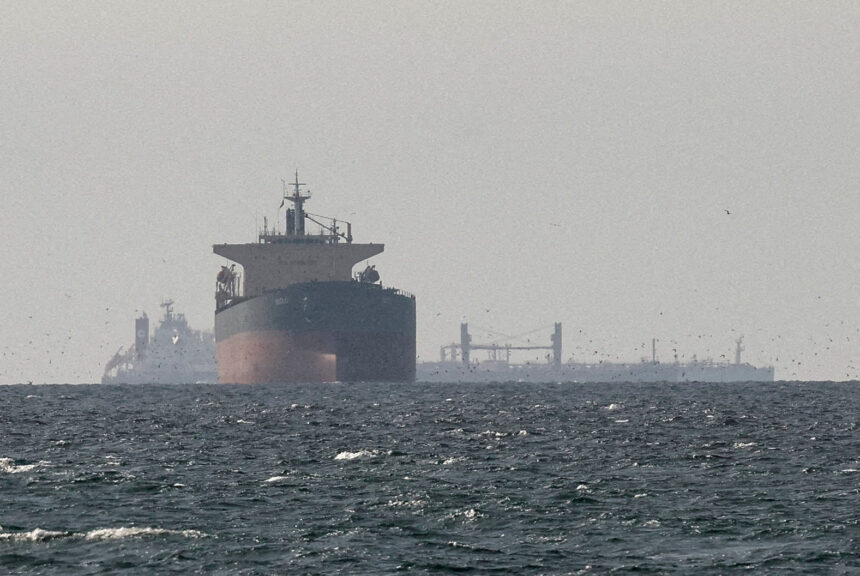
LNG carriers must navigate the Strait of Hormuz to access global markets, making the recent closure especially damaging. In the four years leading up to the conflict, Qatar and the UAE accounted for about 20 per cent of global LNG exports, with Qatar exporting approximately 77 MTPA and the UAE around 5-5.7 MTPA. With the Strait now blocked, these volumes cannot reach the market, exacerbating supply issues.
Price Surge and Market Volatility
As of March 20, gas prices at the Dutch TTF hub soared to over $18/mmBTU, settling currently around $13/mmBTU, which remains significantly elevated compared to pre-war prices. The conflict has shifted market dynamics from a supply wave to a potential shortfall that could persist throughout the decade.
Qatar’s Export Challenges
The war has had a particularly profound effect on Qatar’s LNG exports. Following missile strikes on Ras-Laffan Industrial City, Qatar’s primary LNG export hub, QatarEnergy reported a capacity loss that has knocked out 12.8 MTPA—about 17 per cent of its existing export capacity. The company anticipates a repair timeline of 3-5 years, meaning that this capacity will remain sidelined until at least 2029-2030.
Force Majeure and Future Prospects
In light of the disruption, QatarEnergy has declared force majeure on long-term contracts with significant buyers in Italy, Belgium, South Korea, and China. The ongoing war has also delayed the North Field expansion intended to add another 65 MTPA to Qatar’s capacity, with production originally scheduled to commence in mid-2026 now in jeopardy due to heightened regional risks and rising costs.
Potential Shortfalls and Adjusted Forecasts
The International Energy Agency (IEA) has warned that delays could cut projected global LNG supply capacity by over 90 MTPA—approximately 15 per cent of expected total capacity—between 2026 and 2030. The brunt of this shortfall is likely to be felt in Qatar, which could face 35-40 per cent of the total shortfall due to war disruptions. The US may see a 20-25 per cent shortfall as well due to various construction delays.
Egypt’s Shifting Role in the LNG Landscape
With the EU’s ban on Russian LNG imports, Egypt is transitioning from an exporter to a major importer due to declining domestic gas production, which peaked at close to 70 bcm/yr in 2019 but has since fallen to about 41 bcm/yr. The growing energy demands of Egypt’s population, which is rising at 3-5 per cent annually, have prompted a shift toward LNG imports for power generation, particularly in summer.
Egypt’s liquefaction plants at Damietta and Idku, with a total capacity exceeding 12 MTPA, put the country in a strategic position to export East Med gas from Israel and Cyprus to Europe and Asia. Negotiations are underway to facilitate this, although concerns remain about overcommitting East Med gas to Egypt.
Cyprus: A Potential LNG Export Hub
The current situation also presents a chance for ExxonMobil and Cyprus to reconsider building a world-class LNG export facility with a capacity of 10-15 MTPA. ExxonMobil has previously expressed interest in developing a standalone liquefaction plant, but this requires more than 400 bcm of gas. Cyprus’ recoverable gas reserves are currently estimated at about 480 bcm, offering a viable foundation for such an initiative.
Despite existing commitments to export Aphrodite and Cronos gas to Egypt, both projects face challenges. Israel possesses around 110-140 bcm available for export, which could also contribute to this new LNG landscape, contingent upon the evolving geopolitical context.