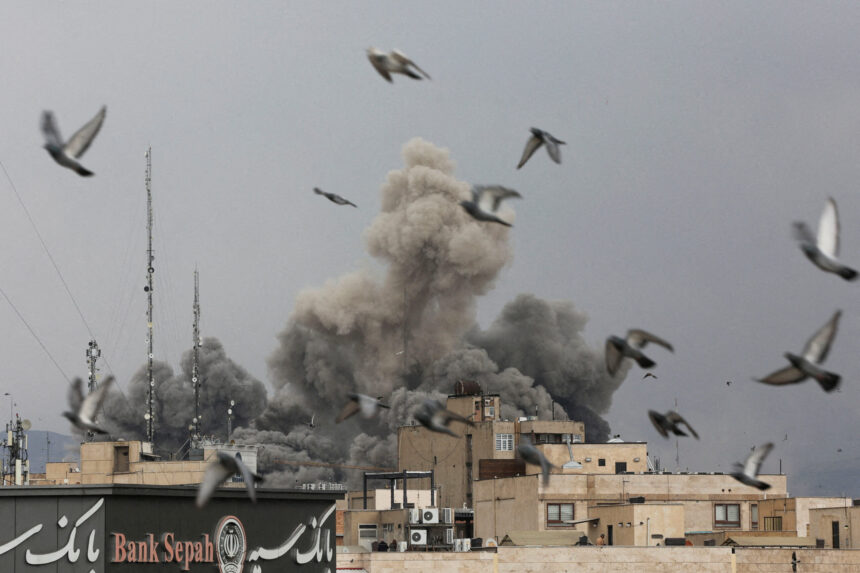
cyprus air — cyprus air — Cyprus’ air quality is unaffected by the ongoing military conflict in Iran, according to environmental experts. Recent assessments indicate that the island’s atmosphere and natural environment remain clear of toxic emissions linked to strikes on oil facilities in the Persian Gulf.
Cyprus air: Monitoring Stations Report No Abnormalities
Data from eight European air pollution monitoring stations, strategically placed between Iran and the eastern Mediterranean, show no signs of increased gamma radiation or hazardous chemicals reaching Cyprus. This extensive monitoring network spans approximately 1,500 km, ensuring that any harmful radioactive particles would be detected before they could affect the island.
Expert Assurance on Safety
Speaking on Alpha TV, environmental chemist and engineer Michalis Loizides reassured viewers about the effectiveness of the monitoring system. He stated, “If there were any danger, European states would be informed immediately about increased radioisotopes moving towards the Mediterranean and the European Union.” Loizides emphasised the importance of reliable information in preventing unnecessary panic among the public.
Risks of Misinformation
Loizides also cautioned against misinformation, noting instances where individuals have taken iodine tablets without medical guidance, believing they offer protection from radiation. “The lack of reliable information to citizens or the spread of false news can lead to dangerous situations,” he remarked. His comments highlight the potential risks associated with public misunderstanding during times of crisis.
Routine Air Quality Monitoring
The labour ministry routinely monitors air quality in Cyprus, tracking common urban pollutants. While Loizides affirmed that the existing system functions adequately, he suggested that additional measurements should be incorporated, taking into account the island’s proximity to conflict zones. This could enhance the response to any potential threats.
The Need for a Public Response Plan
Despite the current stability, Loizides expressed concern regarding the absence of a clearly defined public response plan in case a toxic cloud were to approach Cyprus. He stated, “If and when such a phenomenon is detected, the authorities do not appear to have a plan with specific instructions for citizens.” This lack of preparedness raises questions about how effectively the community could respond to potential environmental threats.
Preparedness Exercises by Private Companies
To address these concerns, Loizides mentioned that private companies conduct preparedness exercises at least twice a year. However, he stressed that government-led initiatives are equally crucial in ensuring public safety during environmental emergencies. The collaboration between private and public sectors could play a vital role in enhancing readiness and response capabilities.