Use of internet-connected devices has surged across Europe, with 70.9 per cent of people in the European Union utilising smart devices, also known as the Internet of Things (IoT), in 2024 according to a report by Eurostat.
- Additionally, 19.3 per cent of people reported using internet-connected home audio systems, which allow for seamless streaming and greater control over music experiences within the home.
- Moreover, 12.8 per cent of respondents reported using smart home appliances, while 11.8 per cent utilised smart home security devices to enhance their home security measures.
Leading Nations in Smart Device Usage
The Netherlands boasts the highest penetration of internet-connected devices, with an impressive 94.8 per cent of its population reportedly using these technologies. Ireland follows closely behind at 90.6 per cent, while Denmark rounds out the top three with 87.0 per cent of its citizens embracing smart devices.
Lower Adoption Rates in Eastern Europe
In contrast, several Eastern European countries show significantly lower adoption rates. Poland has the lowest figure at 46.1 per cent, with Bulgaria and Romania also lagging behind at 50.8 per cent and 56.6 per cent respectively. This disparity highlights a growing digital divide within the EU.
Most Popular Types of Internet-Connected Devices
Among the various types of internet-connected devices, internet-connected televisions stand out as the most prevalent, used by 57.9 per cent of individuals. This category of devices has become a staple in many households, offering enhanced viewing experiences and connectivity options.
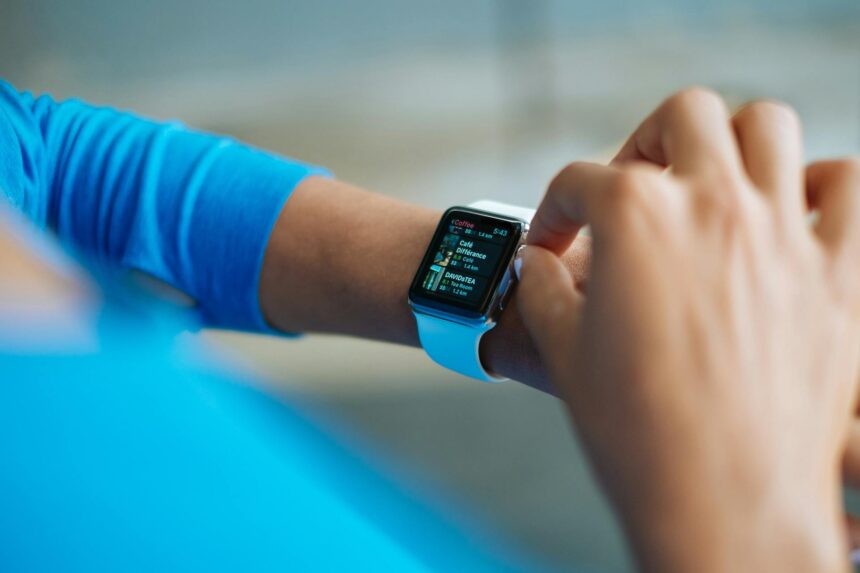
Following televisions, smart wearables, including smartwatches and fitness trackers, have captured the interest of 29.9 per cent of users. These devices have gained popularity due to their ability to monitor health and fitness metrics, appealing to a health-conscious audience.
Gaming Consoles and Audio Systems Gain Traction
Internet-connected gaming consoles are also making their mark, with 19.5 per cent of respondents indicating their use. The gaming industry continues to evolve, integrating online capabilities that enhance user experience.
Additionally, 19.3 per cent of people reported using internet-connected home audio systems, which allow for seamless streaming and greater control over music experiences within the home.
The Rise of Virtual Assistants and Home Automation
Virtual assistants, commonly found in smart speakers, are becoming increasingly popular, with 16.0 per cent of the population using these devices. Their ability to facilitate hands-free control and instant information access has made them appealing to many.
Home automation devices, or ‘domotics’, have seen varied adoption rates. In 2024, 14.2 per cent of people reported using an internet-connected home energy management system, which offers greater efficiency and control over energy consumption.
Moreover, 12.8 per cent of respondents reported using smart home appliances, while 11.8 per cent utilised smart home security devices to enhance their home security measures.
Emerging Trends in Connected Vehicles and Health Devices
Connected vehicles are also making their presence felt, with 10.5 per cent of respondents using cars equipped with built-in wireless connections. This trend reflects a broader push towards integrating technology into everyday transportation.
Health-related IoT devices are gaining traction as well, with 7.9 per cent of users incorporating these tools into their routines to monitor health metrics more effectively. However, internet-connected toys remain a niche market, with only 2.3 per cent reported usage.
Future Implications of Widespread IoT Usage
The widespread adoption of internet-connected devices across Europe signifies a transformative shift in how individuals interact with technology on a daily basis. This technology not only enhances convenience but also raises questions about privacy and security, as more personal data is shared online.
As the EU continues to navigate this digital landscape, understanding the trends and implications of IoT usage will be crucial for policymakers, businesses, and consumers alike. Continued investment in digital infrastructure and education will be essential to ensure that all regions can benefit from this technological revolution.