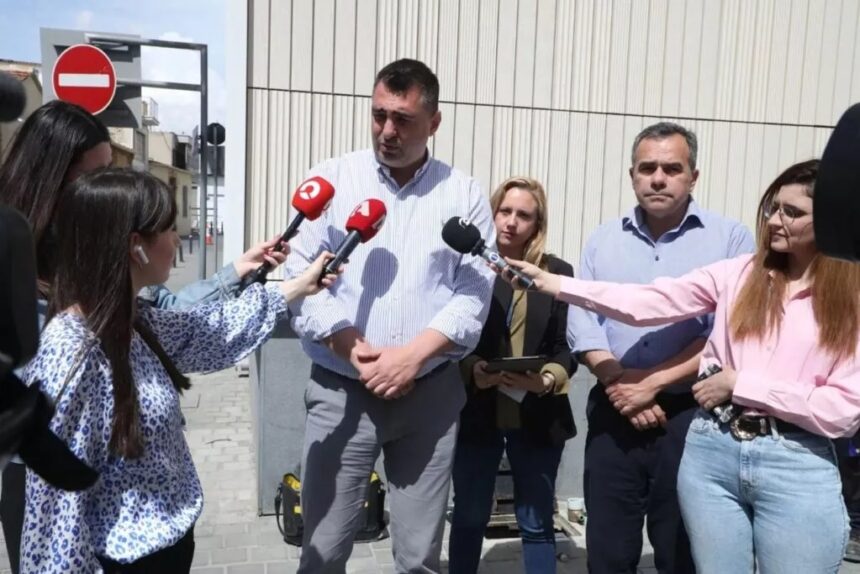
The whistleblower in the Nicosia Water Board corruption probe has found themselves under scrutiny for allegations of sexual abuse. Serious revelations have emerged following the Independent Authority Against Corruption’s report involving Constantinos Parmaklis, the former director of the Nicosia Water Board and current General Director of the Nicosia District Local Government Organisation.
According to an announcement from the Nicosia District Local Government Organisation, investigations have been initiated into complaints made by four employees regarding acts of harassment and/or sexual harassment against the whistleblower. This development adds a complex layer to the ongoing investigation that has already raised significant concerns about governance within the water board.
The Independent Authority Against Corruption has been examining approximately 70 complaints, all originating from an employee of the now-abolished Nicosia Water Board. However, only four of these complaints were deemed serious enough to warrant further investigation.
These four specific cases pertain to questionable decisions made concerning the purchase of two televisions, the installation of blinds, and the organisation of a celebratory event marking the water board’s 70 years of operation. All these actions were sanctioned by the governing body of the Nicosia Water Board, which has raised questions about the oversight and accountability mechanisms in place.
Despite the serious nature of the allegations, the Nicosia District Local Government Organisation clarified that the authority’s findings indicated that the majority of the complaints were unfounded. The organisation expressed its commitment to cooperating fully with the investigation while emphasising the need to avoid creating false impressions regarding the conduct of its officials.
The authority’s examination revealed that the issues identified were not indicative of widespread misconduct but rather isolated incidents linked to decisions made by collective bodies within the water board. This distinction is crucial as it highlights the need for careful scrutiny of governance practices rather than an assumption of systemic corruption.
The organisation has stated, “We fully respect the authority’s findings and approach the matter with a spirit of cooperation and responsibility, whilst not disregarding the fact that the overwhelming majority of complaints were deemed unfounded.” This statement reflects a desire to maintain transparency and integrity as the investigation unfolds.
As this situation continues to develop, the implications for both Parmaklis and the Nicosia Water Board remain significant. The dual nature of the investigations—into both corruption and allegations of sexual misconduct—hints at a troubling intersection of governance and personal conduct that could reshape the landscape of local government operations.