The Republic of Cyprus is facing critical energy challenges as political tensions rise surrounding recent power outages. Following an explosion at a substation in the northern region, the north has experienced a third consecutive day of power cuts, prompting an intense public debate about electricity management.
Tensions Rise Over Electricity Management
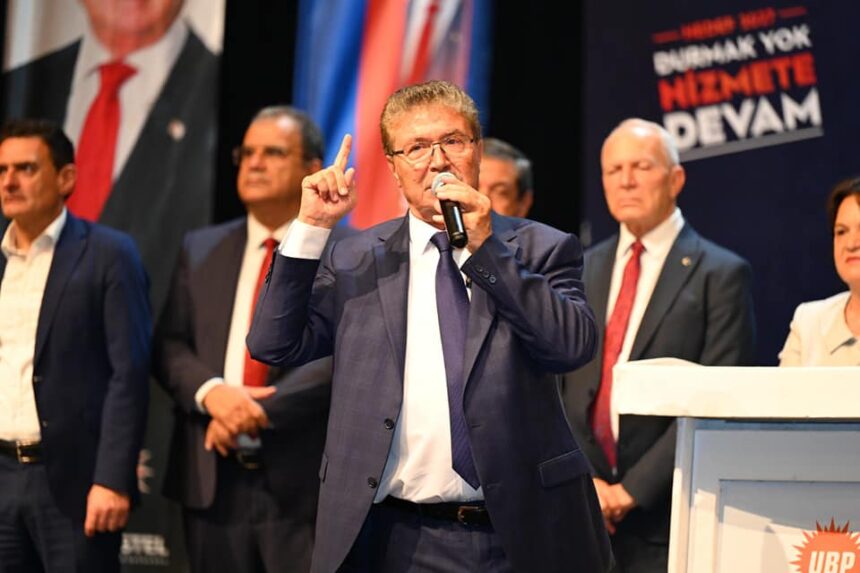
In a recent statement, Unal Ustel, the north’s so-called ‘prime minister’, directed his ire towards the political opposition and the Republic of Cyprus, suggesting potential sabotage could be behind the explosion that triggered the ongoing outages. He stated, “It is impossible not to be aware of the problems a power outage can cause,” emphasizing the significant impact even short disruptions can have on vital services.
Ustel further remarked that the Turkish Cypriot community has been “at the mercy of the Greek Cypriot administration regarding electricity for many years.” His comments highlight a complicated historical relationship concerning energy supply, noting that all electricity in the north was sourced from the Electricity Authority of Cyprus (EAC) until the 1990s. He described how the construction of the Teknecik power station commenced in 1990, backed by a significant investment of $125 million from Turkey, only for the EAC to cut off power upon its completion.
Investigation and Accountability
The explosion at Teknecik, which Ustel described as catastrophic, knocked out a significant portion of the electricity grid, leading to the longest power outage in the region’s history. While Ustel defended his party, the National Unity Party (UBP), against past accusations of mishandling energy policy, he urged collective responsibility from current leaders. He stated, “Trying to make political gain from problems does not align with societal conscience,” in light of criticisms directed at his government.
Investigations into the recent explosion are ongoing, with Ustel mentioning that a comprehensive inquiry is being pursued to identify whether negligence or deliberate sabotage is to blame. Notably, he indicated that an expert team from Turkey would arrive soon for further assessment, promising that all findings would be shared publicly within 15 days. “If anyone is guilty or was negligent, necessary action will be taken, and no mercy will be given,” he declared, underscoring the urgency of resolving these power issues.
Energy Future: Sustainability and Challenges
Ustel’s remarks extended beyond immediate power cuts to emphasise the broader need for sustainable energy solutions. “We must develop solutions to increase energy capacity,” he stated, acknowledging that the current generation methods are not environmentally friendly. He highlighted the potential of solar energy, calling it a “gift from God,” and stressed the importance of maximising its use to address future demands, especially with the rising population, influx of residents from Turkey, and a steady stream of tourists and students.
However, Ustel suggested that a long-term resolution lies in establishing an electricity interconnection with Turkey. “As long as we do not secure an electrical interconnection with Turkey, we will continue to face multifaceted problems in electricity and power generation,” he asserted. The urgency of these connections echoes across the political spectrum, with Ustel calling for action to enhance energy security.
Opposition Response: Accountability for Power Outages
Despite Ustel’s assertions, criticism from the opposition has been unabated. Erkut Sahali, secretary-general of the opposition Republican Turkish Party (CTP), countered Ustel’s claims by stating that the ongoing issues are a direct result of Ustel’s mismanagement while in office. Sahali admonished, “You are running away from reality by talking about the Greek Cypriots, sabotage, and imaginary projects. This is not working. You are incapable.” His comments reflect a growing frustration among the populace regarding energy stability and governance.
The exchange of accusations highlights a broader political struggle over energy policy in the Republic of Cyprus, particularly as residents seek reliable and sustainable electricity in the wake of recent disruptions. While Ustel navigates calls for accountability and transparency, the crisis also offers an opportunity to reinforce discussions about energy independence and sustainability across the island.
As the investigations progress and the political landscape continues to evolve, the emphasis remains on finding effective solutions to ensure a stable energy future for both communities on the island. The Republic of Cyprus stands at a crossroads, with the potential for sustainable practices to lead the way in revitalising its energy strategy amidst ongoing challenges.