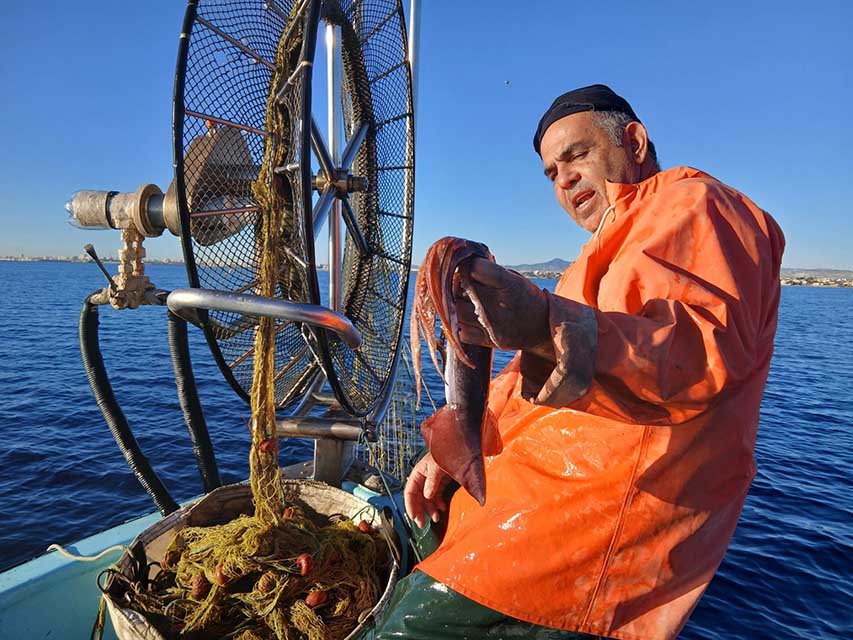
cyprus maritime — The push to protect Cyprus maritime life has gained momentum as the world’s largest marine protection NGO, Oceana, advocates for a ban on destructive bottom trawlers. The connection between Cyprus and its surrounding sea is profound, yet it faces numerous threats including climate change, overfishing, and pollution.
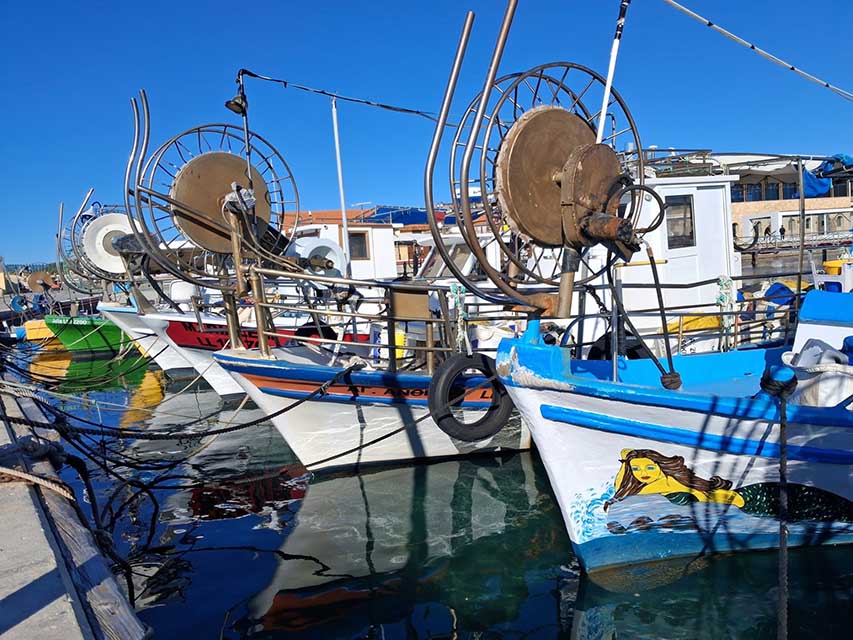
Photo: cyprus-mail.com
Cyprus maritime: Challenges to Cyprus’ Maritime Ecosystem
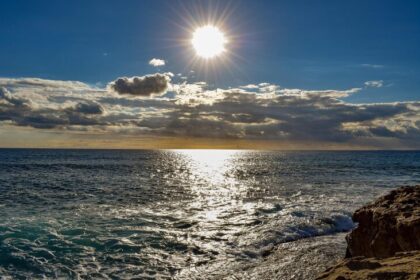
The latest study by Oceana highlights the pressing challenges confronting the marine environment around Cyprus. With rising temperatures and increased human activity, the island’s maritime ecosystem is under significant strain. The study outlines potential solutions aimed at fostering sustainable management of the sea for future generations.
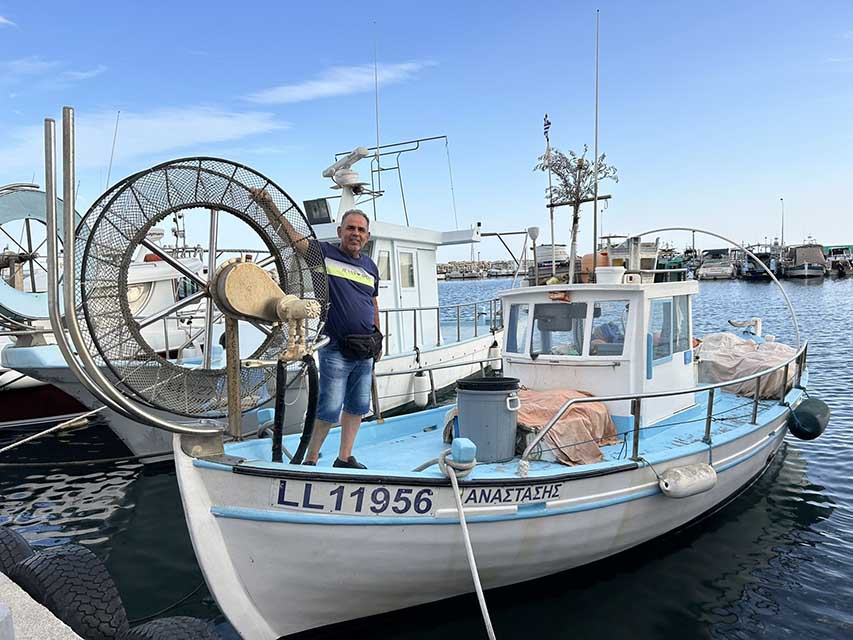
Photo: cyprus-mail.com
Economic Impact of Cyprus’ Blue Economy
Odran Corcoran, policy advisor at Oceana Europe, emphasised the importance of Cyprus’ territorial waters, noting their contribution to various sectors, including tourism and biodiversity. The blue economy, which encompasses marine-related activities, was valued at approximately €1.8 billion in 2022, providing jobs for over 56,000 individuals.
Climate Resilience and Marine Protection
Oceana warns that the urgency of enhancing marine climate resilience in Cyprus is particularly critical given the accelerated rate of warming in the Eastern Mediterranean. The study points out that while human activities threaten the maritime environment, healthy marine ecosystems can also provide essential protections against climate-related impacts.
The Dangers of Bottom Trawling
Among the various fishing practices in Cyprus, small-scale fisheries represent 95% of the fleet, employing mostly passive gear that exerts minimal environmental impact. However, the presence of bottom trawlers poses a significant threat. These larger vessels, averaging 22 metres in length, utilise large nets that can devastate seabed habitats, often leading to substantial bycatch and irreversible damage.
Oceana’s findings reveal that between 2021 and 2025, five bottom trawlers were active in Cyprus’ territorial waters, which extend over 22 kilometres (12 nautical miles). These vessels collectively recorded more than 750 hours of bottom trawling activity, with Cypriot vessels leading in this regard.
Identifying Key Fishing Grounds
The main fishing grounds identified by Oceana include areas off Akrotiri bay and along the coasts of Larnaca, Limassol, Cape Gata, Chrysohou bay, and Paphos. Despite the limited level of trawling activity, the introduction of sustainable protections could significantly benefit marine habitats.
Proposed Solutions for Sustainable Fishing
Corcoran suggests that the limited bottom trawling activity in Cyprus’ waters presents a unique opportunity to create an exclusive coastal zone, which can protect vulnerable habitats while supporting local fishing communities. This approach would allow for the establishment of preferential access areas (PAAs), recognising the environmental, economic, and employment benefits they could provide.
Support from Local Fishermen
Local fishermen have expressed their support for the creation of these PAAs and the ban on bottom trawling. The union of professional coastal fishermen stated, “Coastal fishermen depend directly on a healthy sea in order to continue our profession.” They believe that implementing such measures will lead to more stable fish populations and improved conditions for fishing in the future.
The Need for Regulatory Action
In 2021, Cyprus proposed the permanent cessation of bottom trawling for the last two remaining bottom trawlers operating in its waters, but this has yet to be realised. Oceana’s report calls for a complete prohibition of bottom trawling within Cyprus’ territorial waters, which would enhance the protection of marine ecosystems and support traditional fishing practices.
Corcoran concluded, “The pressure from bottom trawling fisheries inside the 12 nautical mile zone, albeit limited, should be removed once and for all.” This aligns with initiatives undertaken by 44 countries worldwide, including India, Indonesia, Mexico, and Ghana, which have successfully implemented similar restrictions.
A Path Forward for Maritime Conservation
As discussions continue regarding the future of Cyprus’ maritime environment, the establishment of PAAs and a ban on destructive fishing practices could position the island as a leader in marine protection within the European Union and the Mediterranean. By ensuring the health of its waters, Cyprus can secure both the ecological balance and the livelihoods of its coastal communities.