The question of whether we have a migrant problem is becoming increasingly complex, especially in Cyprus, where recent data presents a mixed picture.
- The question of whether we have a migrant problem is becoming increasingly complex, especially in Cyprus, where recent data presents a mixed picture.
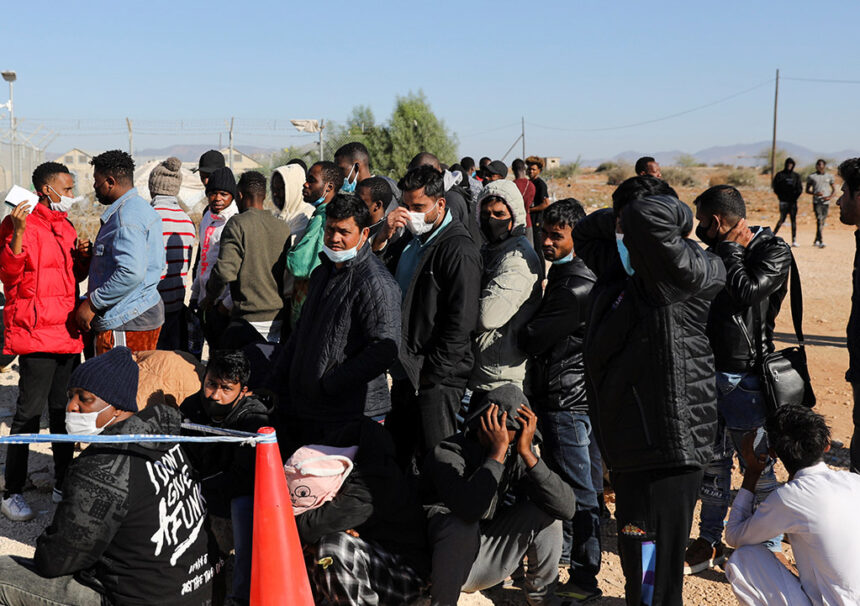
According to Nicholas Ioannides, Cyprus’s deputy minister of immigration and international protection, irregular migrant arrivals have fallen dramatically, decreasing by 87 per cent compared to 2022. This year, the UNHCR reports a total of 2,281 irregular arrivals in 2025, starkly contrasting with 17,286 arrivals in 2022. While this suggests a significant improvement, the reality is less straightforward.
Migrant problem: Contradictory Data and EU Involvement
Despite the reduction in migrant numbers, 10,628 individuals have been returned to their home countries in the first ten months of 2025, on track to surpass last year’s total of 10,944. Cyprus also holds the lowest recognition rate for asylum seekers in the region, with 69.8 per cent of first-instance decisions resulting in rejections. Only 30.2 per cent of applicants are successful, and a mere 10.5 per cent achieve refugee status. This raises questions about the effectiveness of the current asylum process.
In light of these figures, the European Commission’s proposal for an EU Solidarity Pool has generated further debate. Designed to support frontline states, it aims to offer both financial aid and a relocation mechanism for migrants. Cyprus, along with Greece, Spain, and Italy, is identified as a country under migratory pressure, warranting special EU assistance despite the reported reductions in arrivals.
Budget Increase for Migration Management
The proposed budget for the deputy ministry of immigration in 2026 is set at €75.3 million, reflecting an increase of about €20 million from the previous year. This rise, as explained by Angeliki Nikolaidou, the deputy ministry’s press officer, is attributed to ongoing infrastructure improvements rather than an escalation of the migrant issue itself. The ministry was only established in 2024, thus requiring resources to enhance its capabilities.
Fragile Improvements Amid Ongoing Challenges
While Cyprus has recorded a decrease in migrant arrivals, the situation remains precarious. The country has a significant backlog of 16,484 pending asylum cases, compared to Slovenia’s 721. Although the number of new arrivals is declining, the existing challenges related to integration and support for migrants must not be overlooked. Corina Drousiotou, co-ordinator at the Cyprus Refugee Council, emphasises the need for better support systems in schools and language acquisition for migrants, which have been neglected for years.
Future Uncertainty and the Need for Preparedness
As the geopolitical landscape remains volatile, particularly in regions contributing to migrant flows, the potential for renewed migration cannot be ignored. Nikolaidou acknowledges the unpredictable nature of migration patterns but reassures that the ministry is taking measures to enhance future preparedness. This includes infrastructure developments, such as the construction of the Limnes reception centre and expedited processing for pending cases.
The EU’s broader strategy, including the Pact on Migration and Asylum, aims to build a more coordinated approach to managing migration across member states. However, the effectiveness of these initiatives and the moral responsibility of Europe to assist migrants remain contentious topics that invite further reflection.