
Extreme heat in Cyprus is more dangerous than many realise, with symptoms that extend beyond the typical signs of heatstroke. While most people are aware of the immediate dangers of high temperatures, such as heat exhaustion, they may overlook the subtler effects that prolonged exposure to heat can have on both physical and mental health.
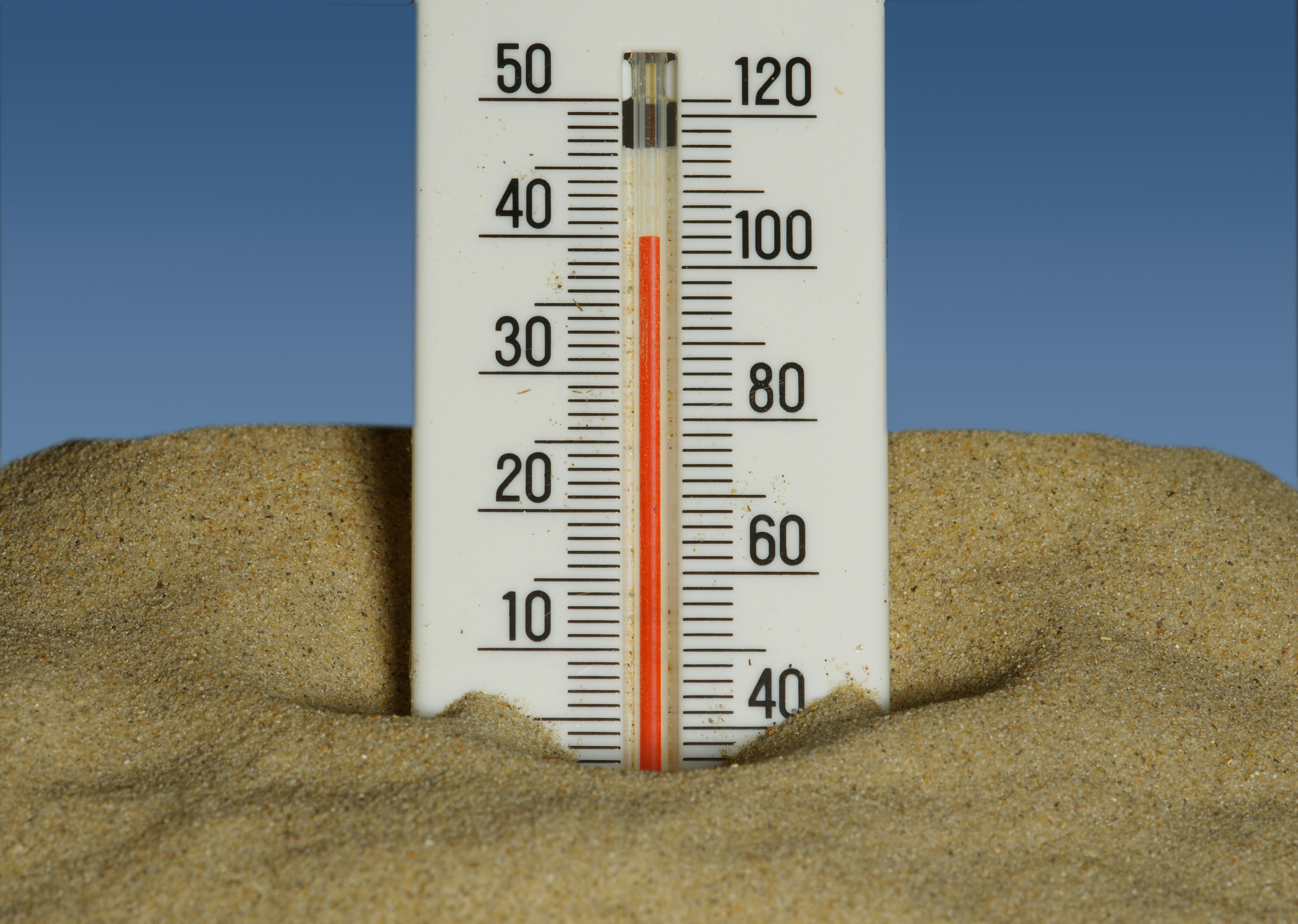
Photo: cyprus-mail.com
As summer temperatures frequently soar above 40°C, the Mediterranean island experiences heatwaves that have become a part of everyday life. However, these extreme conditions can lead to a range of health issues, making awareness vital for residents and visitors alike.
Extreme heat: The Cumulative Effects of Heat
Dr Nicola Ioannou, a GP and certified Lifestyle Medicine Physician, highlights that many in Cyprus underestimate the cumulative effects of heat. Symptoms such as persistent headaches, poor sleep, low energy, and dizziness often blend into the background of daily life during the summer months. “It’s easy to normalise these sensations,” she explains, “but they can indicate that the body is struggling to cope with the heat.”
More Than Just Heatstroke
While heatstroke is the most commonly recognised heat-related illness, research suggests that the health impacts of extreme temperatures begin manifesting well before serious medical emergencies arise. In fact, a study conducted by the Cyprus Institute establishes a clear link between elevated daytime and nighttime temperatures and increased mortality rates, particularly among individuals with cardiovascular, respiratory, and diabetes-related conditions.
According to PhD candidate Fragkeskos Kekkou, the data reveals that around 3.6% of deaths in the warm season can be attributed to extreme temperatures, even in the absence of heatwaves. However, during heatwaves, this number skyrockets to nearly 19%. Such statistics underscore the gravity of prolonged exposure to extreme heat.
The Impact on Body Systems
Our bodies are designed to function within a specific temperature range. When the mercury climbs too high, we must exert additional effort to maintain a stable internal temperature, which strains vital systems like the cardiovascular and respiratory networks. This added pressure can lead to symptoms ranging from discomfort to exhaustion and, in severe cases, serious health complications.
Dr Ioannou points out that many individuals become mildly dehydrated over extended periods without even realising it. This gradual dehydration can produce headaches, fatigue, dizziness, constipation, and muscle cramps, further complicating the situation.
Vulnerable Populations
Certain groups are particularly susceptible to the adverse effects of extreme heat. Older adults, young children, and those with existing health problems—such as diabetes or respiratory illnesses—are at heightened risk. As temperatures rise, their bodies may struggle to cope, making them more vulnerable to heat-related health issues.
Nighttime Dangers
One of the often-overlooked consequences of extreme heat is its impact on sleep patterns. While discussions about heat typically focus on daytime discomfort, the effects of high nighttime temperatures are equally concerning. When the heat remains after sunset, the body cannot cool down sufficiently, which can severely disrupt sleep.
“The human body requires cooler conditions at night to recover from the stresses of the day,” Kekkou explains. Poor sleep quality, influenced by persistent heat, leaves individuals feeling drained and affects their daily functioning. Dr Ioannou adds that the resultant lack of sleep can lead to a state often described as brain fog, characterised by irritability and difficulty focusing.
Long-term Effects on Quality of Life
The ramifications of poor sleep and high temperatures extend beyond individual discomfort. Kekkou warns that these issues can significantly affect overall quality of life, work efficiency, and mental health. Emerging evidence indicates that inadequate sleep can impair concentration, mood, and decision-making abilities, ultimately diminishing productivity.
A Warming Future
Looking ahead, the situation appears daunting. Cyprus, situated in the Eastern Mediterranean, is part of a region identified as a climate change hotspot. Research shows that the area has been warming at a rate faster than many other parts of the world. This trend is expected to continue, exacerbating the public health challenges posed by extreme temperatures.
Climate change projections indicate that the frequency, duration, and intensity of heatwaves in Cyprus will only increase, intensifying the heat-related health impacts. Contrary to popular belief, Kekkou stresses that living in warmer climates does not confer immunity to these effects. Many people mistakenly assume that those accustomed to heat are less affected, but the reality is that everyone is at risk.