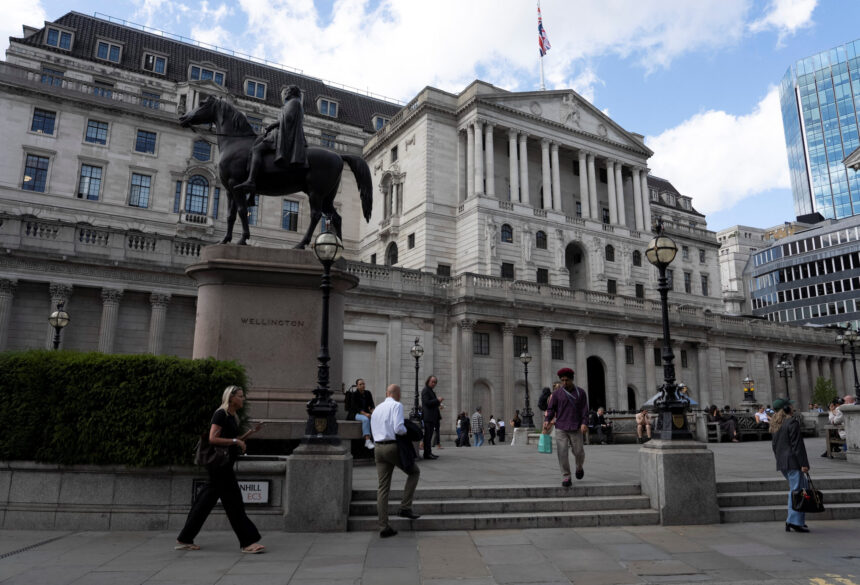
uk firms — UK firms are bracing for job cuts while simultaneously planning to raise prices, according to a recent survey by the Bank of England (BoE). This survey, which included responses from over 2,000 businesses, was conducted prior to finance minister Rachel Reeves’ annual budget announcement.
Uk firms: Insights from the Bank of England Survey
The Decision Maker Panel, surveyed between November 7 and November 21, revealed a concerning trend among businesses. Firms expect to increase their prices by 3.7 per cent over the next year, which is slightly higher than the previous month’s forecast by 0.1 percentage points.
Employment Expectations Dwindle
In terms of employment, expectations have weakened. The survey indicated a drop of 0.1 percentage points in employment projections, now sitting at -0.2 per cent for the three months leading to November. This decline suggests that businesses are preparing for a more challenging economic environment.
Consumer Price Inflation Trends
Despite the rise in prices anticipated by firms, expectations for consumer price inflation remain unchanged at 3.4 per cent for the year ahead. This figure aligns with the recent trend where British consumer price inflation fell to 3.6 per cent in October, indicating that inflation may have peaked.
Wage Growth Projections
Interestingly, the BoE survey also highlighted that firms expect wage growth to rise by 3.8 per cent over the coming year, which is a slight increase of 0.1 percentage points compared to the previous three months. This suggests that while companies may reduce their workforce, they still anticipate higher wages for those who remain employed.
Implications for Monetary Policy
The findings from this survey come at a pivotal time as the BoE considers cutting interest rates from the current level of 4 per cent. The expectation of stable consumer price inflation coupled with falling inflation rates may strengthen the case for a shift in monetary policy, which could have widespread implications for both consumers and businesses alike.